Alan Foreman retires from major roles, warns of racing leadership gap
Alan Foreman stepped back as the Mid-Atlantic horsemen’s group dissolved, warning racing still lacks the common purpose needed to hold the sport together.
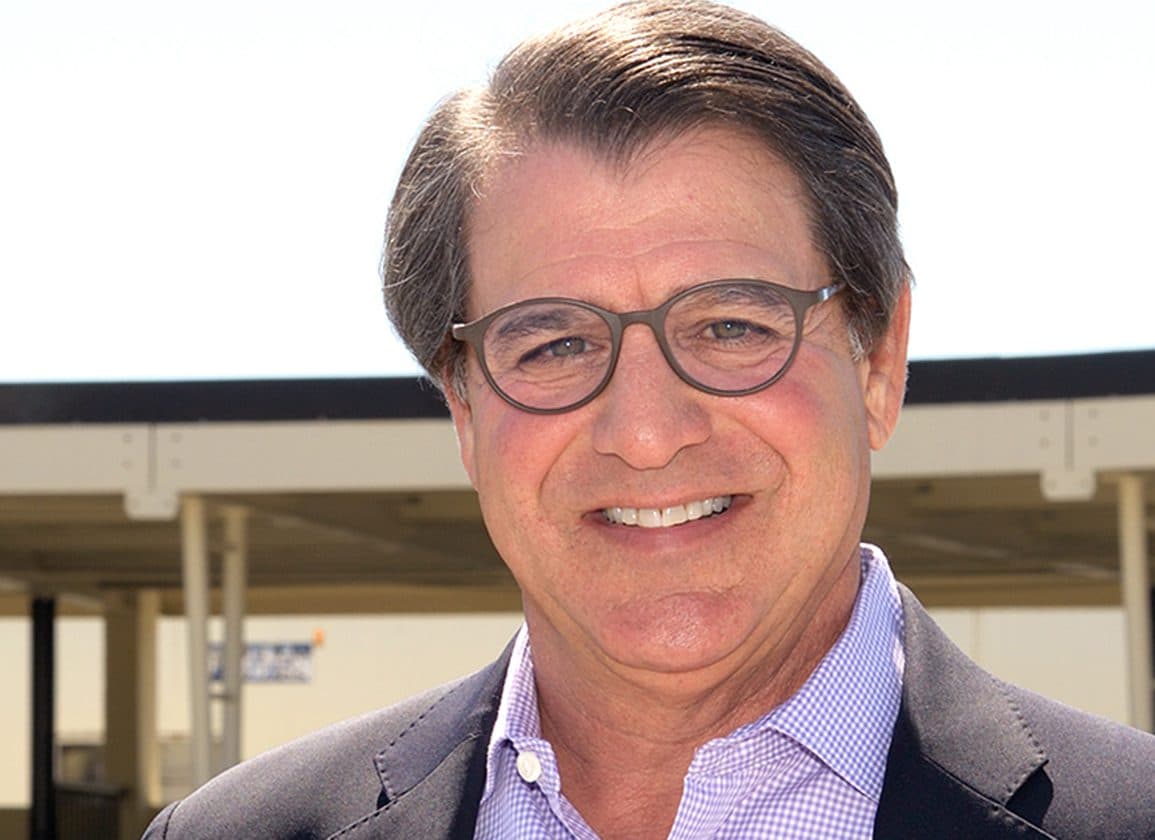
Alan Foreman stepped away from most of his racing duties as the Thoroughbred Horsemen’s Association of the Mid-Atlantic moved toward disbanding, closing a run of roughly 50 years in which he helped shape horsemen’s politics, safety reform and medication policy. Foreman was the group’s first executive director, and the umbrella organization represented more than 20,000 owners and trainers nationwide.
His résumé made the exit more than a routine retirement. Foreman served as counsel to the Maryland Racing Commission, was a founding director of the National Thoroughbred Racing Association, vice-chairman of the Racing Medication and Testing Consortium and later the Horseracing Integrity and Safety Authority ombudsman. In September 2023, HISA and the Horseracing Integrity & Welfare Unit named him to that ombudsman role with a primary focus on the Anti-Doping and Medication Control Program.
The heart of Foreman’s warning was not personal, but structural. He has long argued that racing works best when horsemen have a shared forum and a common interest, and the THA was built to help owners and trainers trade information while pressing larger industry concerns. With the Mid-Atlantic body winding down, that coordinating function is harder to replace, especially in a sport still split by state lines, medication disputes and competing business interests. The practical consequence is felt in the places where racing has to present itself as one product, from scheduling and field quality to the coherence of major stakes weekends.
Foreman’s credibility on those issues comes from years spent inside the sport’s most consequential reform fights. He was on the 2012 New York Task Force on Racehorse Health and Safety, created after 21 horses died or were euthanized at Aqueduct Race Track between Nov. 30, 2011 and March 18, 2012, a fatality rate that the task force said was about double the previous two years. The panel, which also included Jerry Bailey, Dr. Mary Scollay and Dr. Scott Palmer, pushed for closer scrutiny of track conditions, necropsies, disclosure policies, claiming rules, veterinary procedures and drug use.
That work matters because it produced measurable change. New York racing fatalities fell to 23 in 2022 from 51 in 2012, a 55% drop, even though training fatalities did not fall nearly as sharply. Foreman’s long record also includes being widely credited with creating the Maryland Jockey Injury Compensation Fund in 1984, the first workers’ compensation program for jockeys in the United States.
Foreman said he will keep some advisory and ombudsman responsibilities, but his retreat from major posts leaves racing without one of its most experienced connectors at a time when the sport is still wrestling with who can speak for horsemen across jurisdictions and keep the big pieces aligned.
This article was produced by Prism’s automated news system from verified source data, official records, and press releases, then run through automated quality and moderation checks before publishing. The system is built and supervised by the people who set the standards it runs under. Read our full AI policy.
Did this article answer your question?