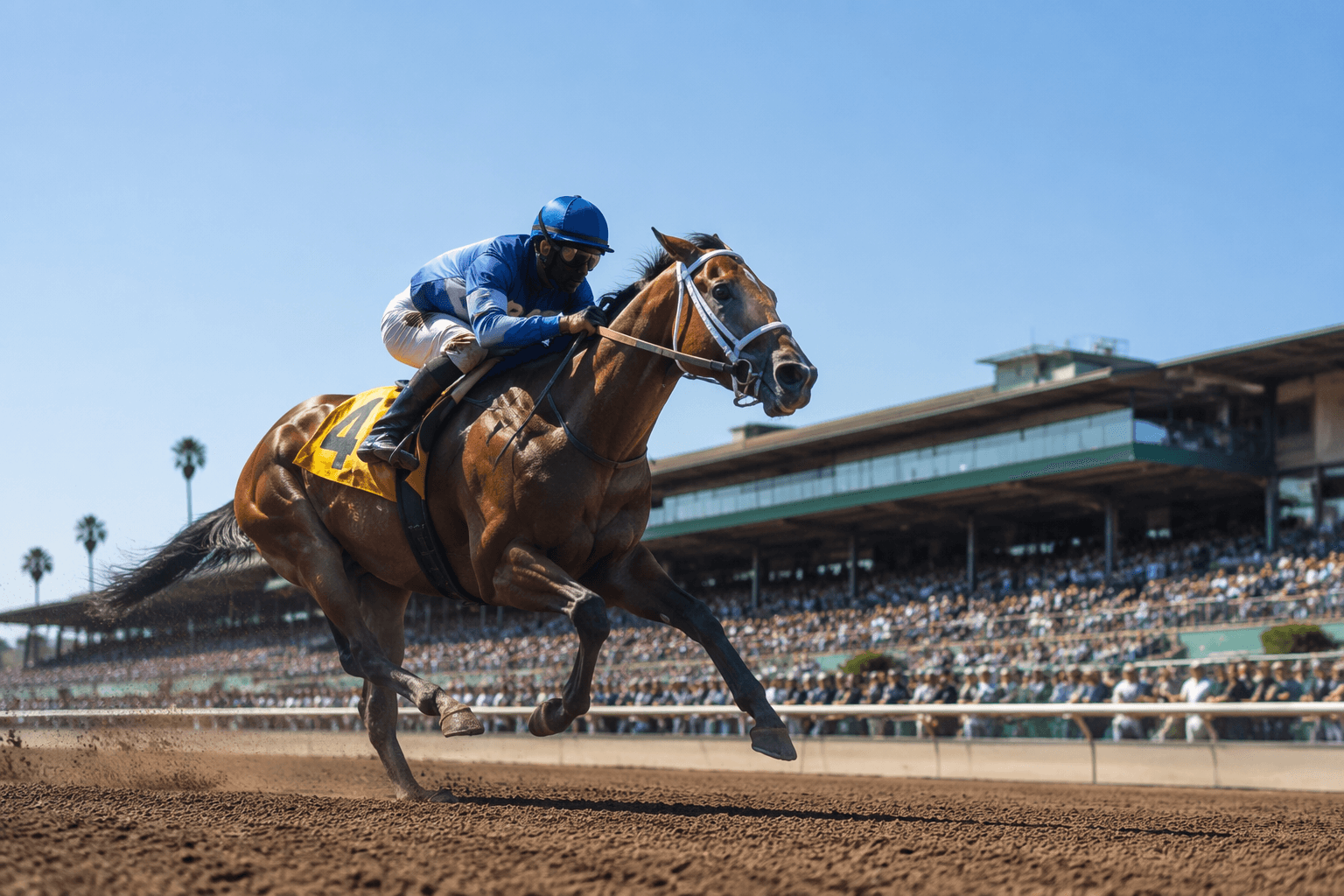
Ayuso brings hot riding form into Del Mar opener
Ayuso arrives at Del Mar with live momentum, and the July 17 opener gives him immediate chances to turn it into better mounts, especially on turf and in deep allowance spots.
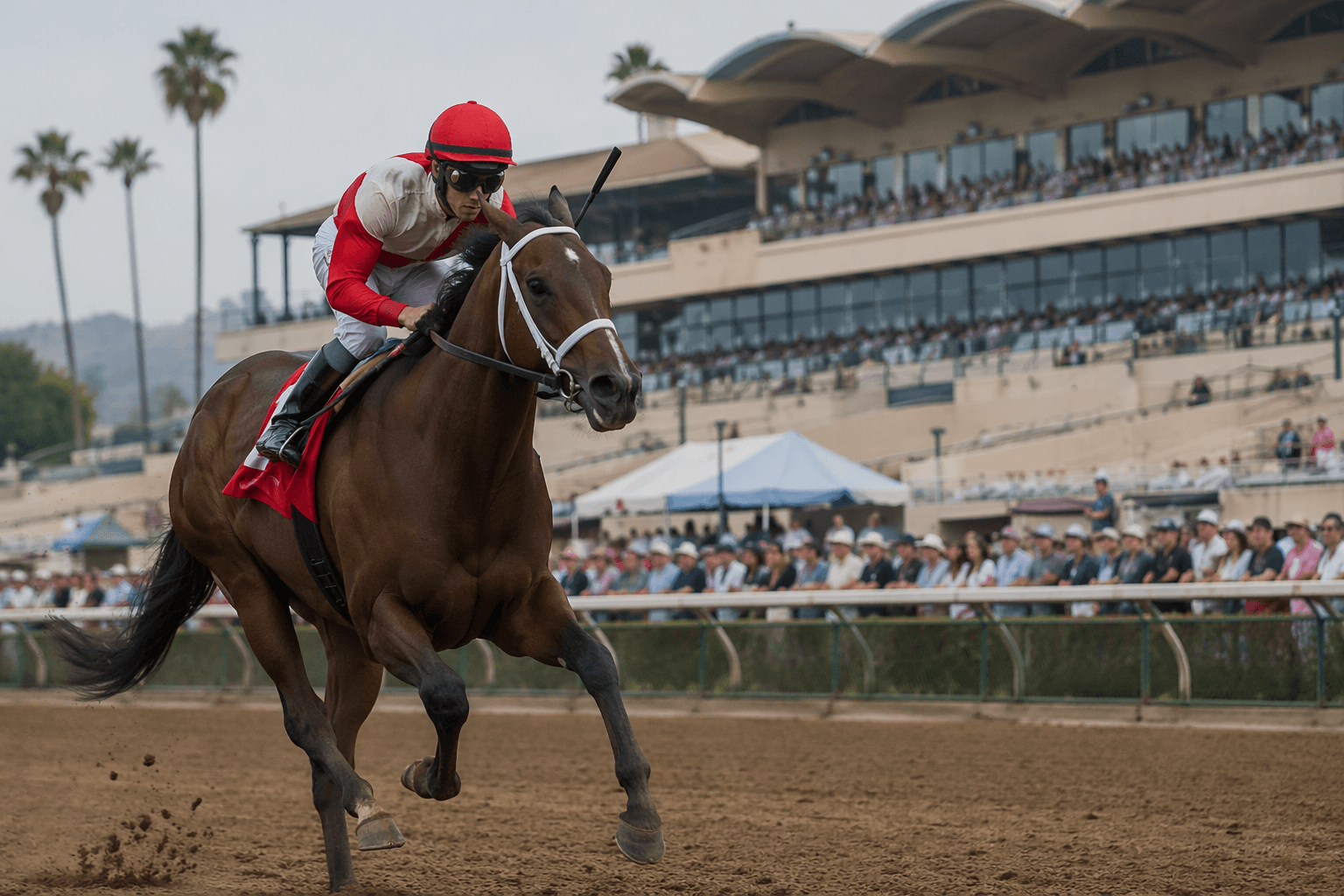
Del Mar’s summer season opens July 17 and runs through September 7, and Armando Ayuso arrives with form that barns notice fast. The first cards are where a rider can turn a hot run into more first-call opportunities, better stock, and a stronger position when the stakes schedule starts to harden.
Why Ayuso matters the moment Del Mar opens
Ayuso’s current run makes him relevant before the public fully maps out the colony. A rider who is sharp early can win the trust of trainers quickly, which often means stronger mounts in competitive maiden and allowance races rather than waiting for the marquee stakes later in the season.
If he keeps converting trips and stays aggressive without wasting motion, he can become the kind of rider barns want attached to live runners on days when the race shape is less obvious and the betting pools are still adjusting to the new meet.
The Del Mar setup rewards a confident rider
The track first opened on July 3, 1937, and the 2026 media guide calls this the 87th summer season.
Since 2014, Del Mar has offered a fall session called the Bing Crosby Season. That longer footprint gives jockeys and horsemen a place where momentum can carry from one phase of the year into the next, and it raises the value of every strong ride in the opening weeks of the summer meet.
Where Ayuso can cash in first
The most immediate opportunities are the kinds of races where rhythm and timing decide outcomes before raw talent does. Del Mar’s opening day card includes 3-year-olds going a mile on turf, and those races tend to reward riders who can secure position without getting trapped in traffic or forcing the pace too early.
A turf mile asks for patience, balance, and a decisive move at the right point, while competitive maiden and allowance races create plenty of chances for a jockey who is seeing the course well and making good split-second calls. Ayuso does not need a signature stakes ride to shape the first days of the meet; he needs the right horse in the right condition, where a sharp trip makes the difference.
The same logic extends to barns looking for a rider who is confident enough to commit early but disciplined enough to finish the job. When a jockey is in form, trainers tend to remember who delivered the smooth trip in a tight race, and that can be the difference between one quality assignment and a full run of them.
The colony is strong, so every good call matters
Ayuso is not walking into an empty lane. On July 16, three-time Del Mar riding champion Joel Rosario was among five additions to the jockey colony, and the group included defending summer meet champion Juan Hernandez. That means the bar is high from the opening bell, and the daily competition for live mounts will be fierce.
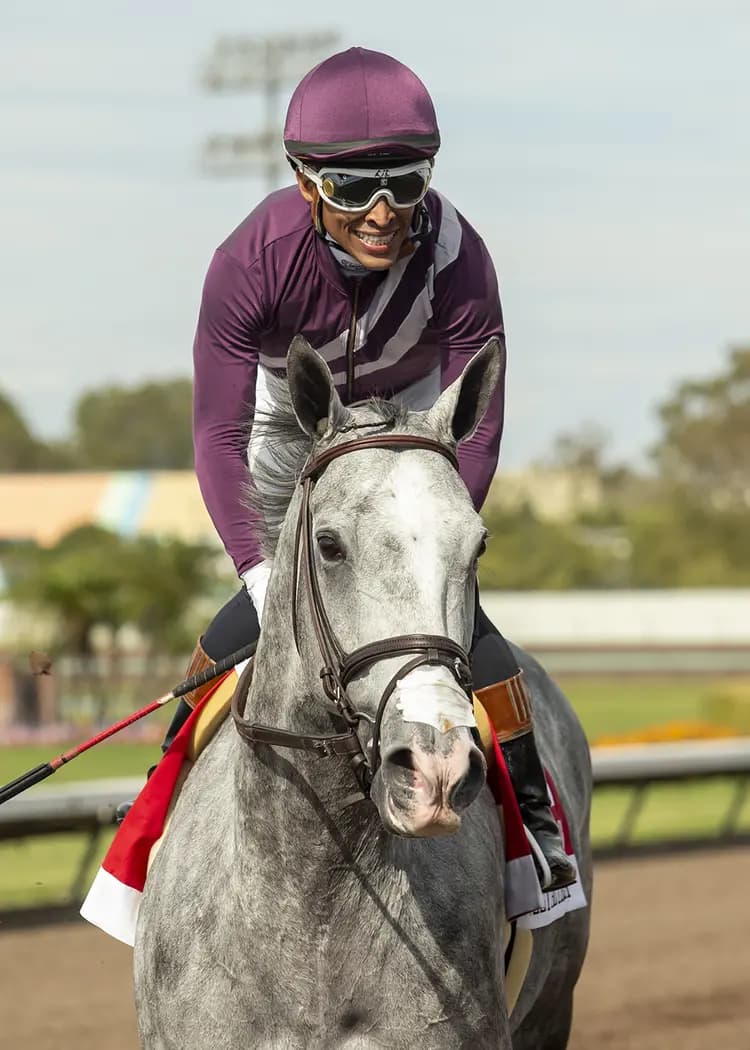
In that kind of environment, a rider’s recent momentum becomes a form of currency. The better the colony, the more valuable an early string of precise rides becomes, because trainers are always watching who is adapting fastest to the meet and who is already riding with local timing.
That also sharpens the stakes for Ayuso’s first few rides. If he converts them, he can stay in the conversation as the meet develops and the race quality rises. If he hesitates, Rosario, Hernandez, and the rest of the colony can quickly occupy the prime spots on the program.
Sweet Azteca shows the profile is already rising
Ayuso is aboard Sweet Azteca in a graded stakes at Del Mar, which is the kind of assignment that immediately signals a rider is moving into more visible company. When a jockey is linked to a graded performer at this track, barns and handicappers take notice because the relationship suggests trust in higher-pressure spots.
A rider who shows up on a horse like Sweet Azteca can use that exposure to secure more meaningful mounts in the weeks before the stakes calendar tightens, especially when the meet is still sorting out which riders are handling Del Mar best.
This article was produced by Prism’s automated news system from verified source data, official records, and press releases, then run through automated quality and moderation checks before publishing. The system is built and supervised by the people who set the standards it runs under. Read our full AI policy.
Did this article answer your question?