Close-up horse encounters, racing’s best path to new fans
Horse racing’s stickiest growth tool is still the live horse. Mill Ridge, Keeneland, Saratoga, and Hong Kong all turn proximity into loyalty.

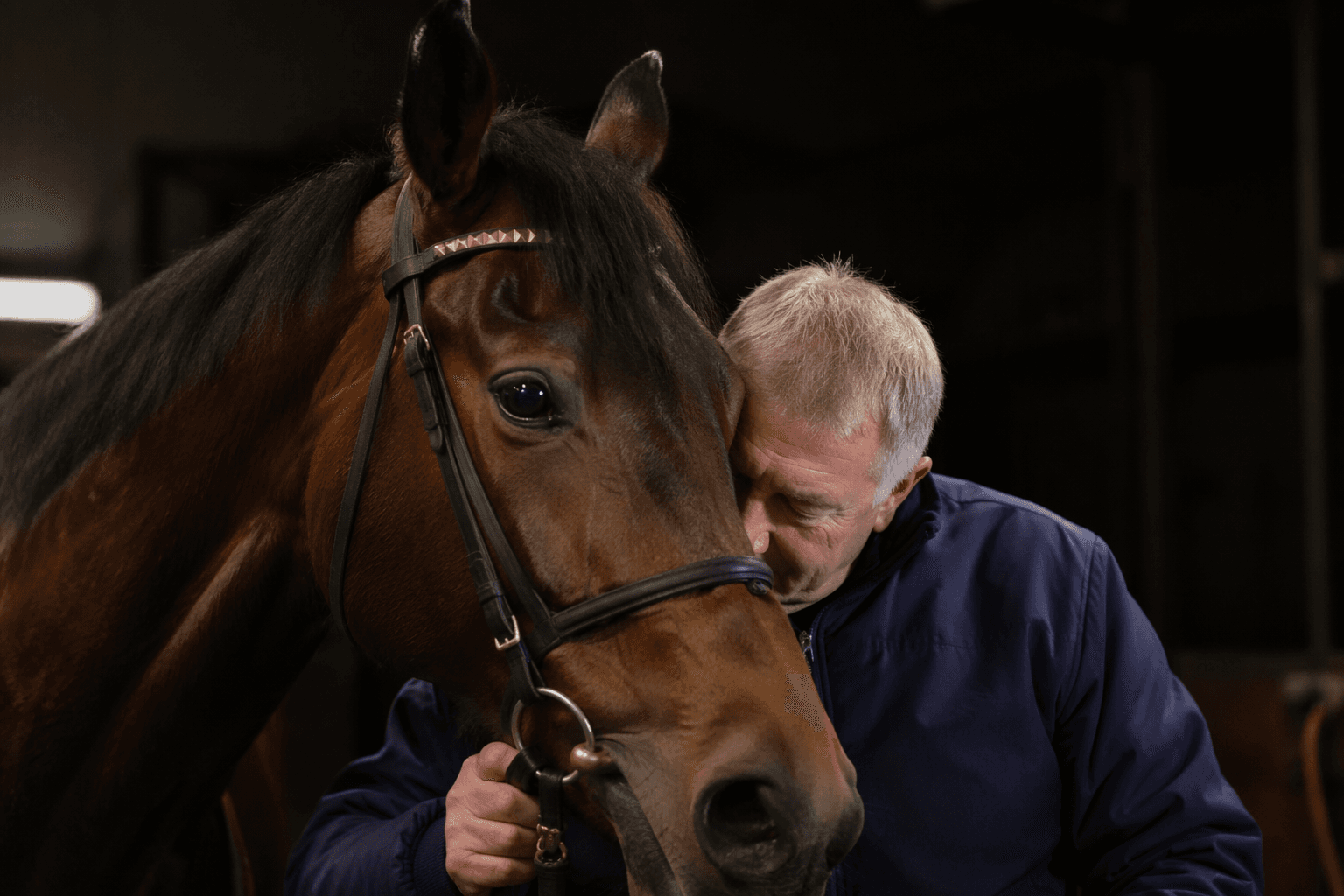
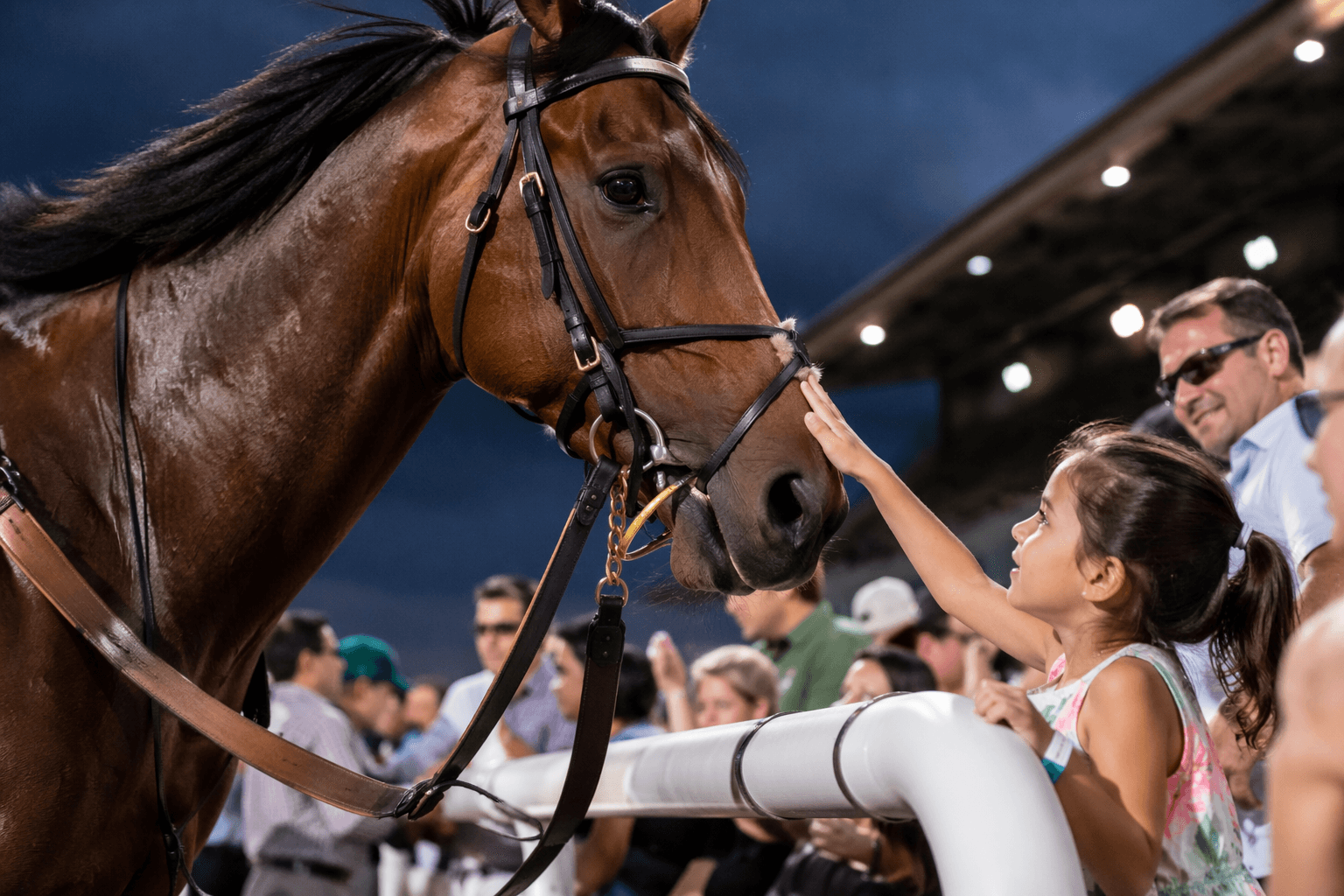
The strongest introduction to horse racing is often the simplest one: a child standing close enough to feel a horse breathe. That moment, more than a bankroll or a chart line, is what Headley Bell argues keeps people coming back, and it is why pony riders, outriders, and the quiet pause of horses standing between races matter so much on a race day. The sport’s future, in his view, is not only decided at the betting window, but in the first time a newcomer gets to touch, smell, and see a horse up close.
The horse is the hook
Racing sells speed, but it retains people through contact. Bell’s point lands because the best race-day memories are rarely abstract, they are physical: a horse stepping along the apron, a rider leading a pony, a family watching the parade ring and realizing the animals are calm, massive, and alert all at once. Those are the scenes that turn a casual observer into someone who wants to return, and they explain why the sport’s public-facing traditions still matter in an era dominated by wagering apps and streaming screens.
That emotional pull is not sentimental dressing. It is a practical answer to the sport’s visibility problem, because the horse is the one thing racing has that cannot be replicated in a brochure or a highlight clip. When fans are allowed close enough to see the tack, the muscle, and the routine between races, the sport becomes legible in a way odds and final times never can.
Mill Ridge turns access into a business model
Mill Ridge Farm and Horse Country have built that idea into a visitor experience. Horse Country says it has welcomed about 500,000 visitors to area horse farms over its first 10 years, while Mill Ridge’s own tour has drawn nearly 80,000 visitors in the same span. That volume matters because it shows fan development at scale, not as a novelty. It also helps explain why Mill Ridge’s tour is promoted as Lexington’s No. 1 experience on TripAdvisor, a ranking that turns horse access into a tourism asset as much as a racing one.
The farm’s story gives that access historical weight. Alice Headley Chandler founded Mill Ridge in 1962, and the family’s ties to Hal Price Headley, a central force in the founding of Keeneland, place the operation close to the sport’s civic core in Kentucky. Mill Ridge says Chandler became the first woman to breed and sell an Epsom Derby winner when Sir Ivor won in 1968, and that victory drew attention from Queen Elizabeth II, who later boarded horses at the farm. That is the kind of lineage that gives a farm tour real gravity: visitors are not just petting horses, they are walking into a working piece of racing history.
A racing résumé that validates the welcome mat
Mill Ridge’s visitor pitch is stronger because the farm has the kind of record that commands respect from serious racing followers. The farm says it has raised or sold 41 Grade 1 winners since 2000, including a Kentucky Derby winner, nine Breeders’ Cup winners, three Horse of the Year titleholders, and the 2024 Preakness winner Seize the Grey. A 2025 Spectrum News 1 Kentucky report described Mill Ridge as a 900-acre-plus operation and put the total at 39 Grade 1 winners since 2000, a slightly different tally that still points to the same conclusion: this is not a show farm dressing up for visitors, but a high-end breeding operation that lets the public in.
That combination, elite production and open doors, is exactly why the human-horse bond works so well as a retention hook. Fans who see where a horse begins, from foaling to sales to stakes success, are more likely to understand the sport as a living cycle rather than a one-afternoon wager. Owners see the prestige. Backstretch workers see the daily labor. Newcomers see the animal at the center of it all.
Keeneland and Saratoga are making mornings part of the product
The same strategy is showing up at major tracks. Keeneland’s Sunrise Trackside program runs on Saturday mornings during race meets and gives guests a chance to watch morning workouts, grab coffee and breakfast, and join a complimentary mini tour. The design is smart: it makes the track feel open before the crowd arrives, and it turns the training routine into a public event rather than an internal one.
New York Racing Association has taken a similar approach at Saratoga Springs, where its tours include morning training experiences with buffet breakfast, a trolley ride, and a farm visit. BloodHorse noted that NYRA STAR was created for children 12 and under and their families to get insider access to thoroughbred racing. That matters because the sport does not only need bettors who understand the form cycle; it needs children who associate horses with access, hospitality, and memory long before they learn to read a past performance line.
Hong Kong shows how immersion scales internationally
Hong Kong pushes the same idea into a more polished entertainment framework. The Hong Kong Jockey Club says it aims to be a world leader in horse racing, sporting and betting entertainment, and the Hong Kong Tourism Board says Happy Valley Racecourse combines weekly racing with live entertainment and the Hong Kong Racing Museum. Recent coverage has also pointed to immersive digital arrival experiences and horse-racing entertainment features at Sha Tin, a sign that the sport there is being packaged as a full night out, not just a betting interface.
That model matters because it shows racing can broaden its appeal without abandoning its core. The product still starts with horses, but it extends through hospitality, technology, and destination value. In Hong Kong, as in Kentucky and New York, the message is clear: access deepens attachment.
Why the labor pipeline depends on proximity
The most revealing evidence may be from Britain, where The Jockey Club launched a youth access campaign in 2023 after surveying 12- to 18-year-olds. The survey found that 40% would consider working with horses, 59% wanted more interaction with horses, 58% said horse sessions seemed too costly, and 34% said there were no horses stabled near them. Those numbers show that the barrier is not indifference. It is distance, cost, and access.
That is why Bell’s argument reaches beyond romance. When racing lets people stand near the horse, it does more than create fans for a day. It builds the next layer of owners, stable staff, farm visitors, and weekend trackgoers who understand why the sport still turns on the animal at its center. In a business that needs both new money and new loyalty, close-up horse encounters remain one of racing’s most durable competitive advantages.
This article was produced by Prism’s automated news system from verified source data, official records, and press releases, then run through automated quality and moderation checks before publishing. The system is built and supervised by the people who set the standards it runs under. Read our full AI policy.
Did this article answer your question?