Durban July returns with record R10 million prize money
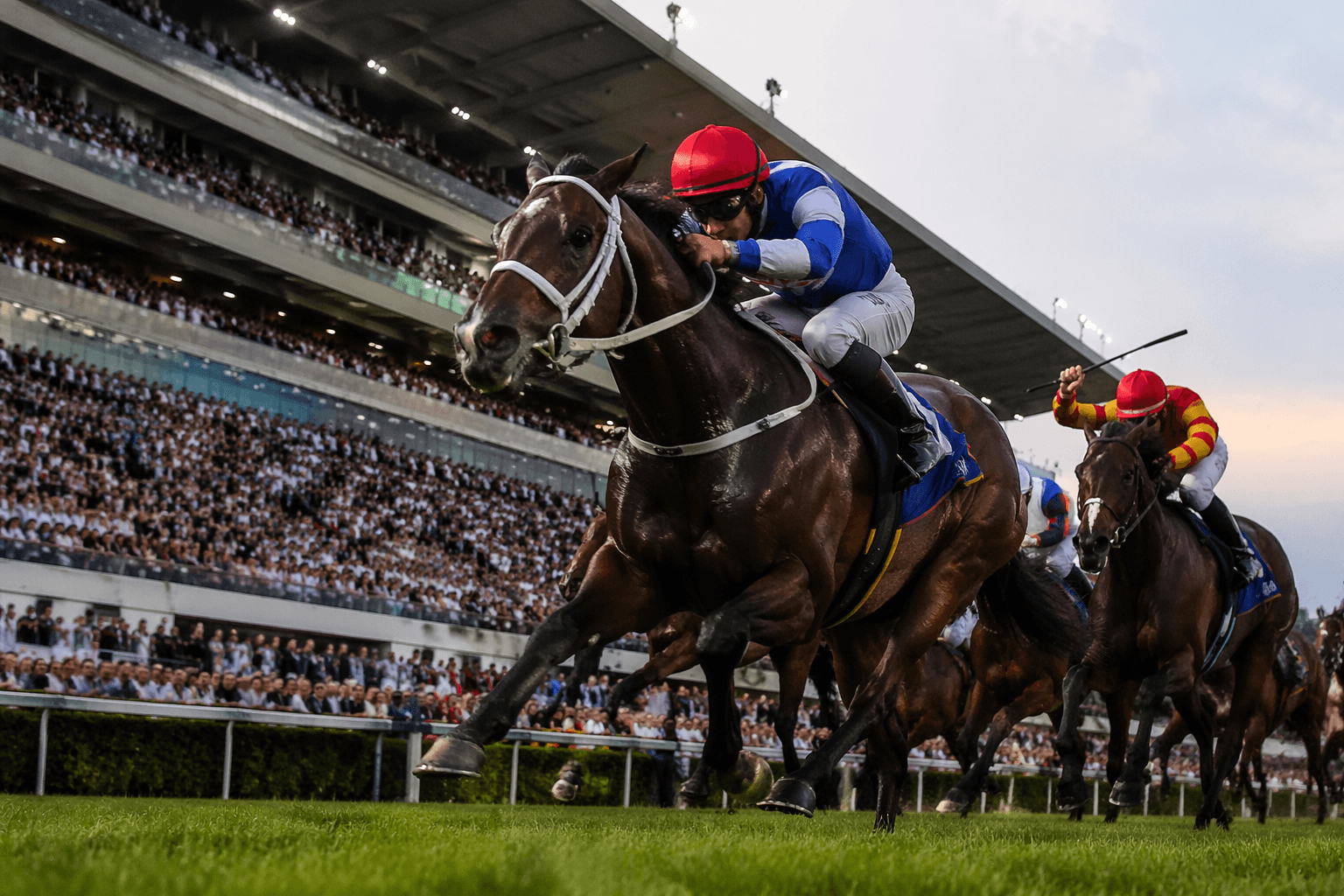
Greyville’s 130th Durban July carried a record R10 million purse, drew more than 40,000 fans and kept South Africa’s biggest race day at the center of the season.

Greyville’s 130th Durban July carried a record R10 million purse into South Africa’s biggest racing day, with the Group 1 turf handicap run over 1m3f and more than 40,000 spectators expected to turn out for the country’s premier midwinter showcase.
The prize money was doubled for the 2026 running, adding another layer to a race that has been staged in one form or another since 1897. General admission remained part of the event’s identity, with tickets priced at R280, while GallopTV carried the meeting to viewers outside the stands and extended the race’s reach beyond Durban.
The Durban July has survived two world wars and the pandemic, and that endurance has made it more than a single afternoon of racing. It has become South African racing’s cultural anchor, a fashion-and-sport festival that still gives a handicap the kind of spotlight usually reserved for weight-for-age Group 1 races. The scale of the meeting, from the packed grandstand to the enlarged purse, has kept it at the center of the summer picture even as the sport has changed around it.
Its place in the history books also comes through the people who have won it. S’Manga Khumalo became the first black jockey to win the Durban July in 2013, and Candice Bass-Robinson became the first female trainer to saddle a winner in 2017. Those milestones sit alongside the race’s broader appeal: a headline event that blends tradition, broadcast visibility and a difficult handicap puzzle into one of the most watched days on the South African calendar.
Even without the weight-for-age safety net, the Durban July keeps its glamour. The 130th edition was bigger than a cultural spectacle, because the race itself still sets the tone for the meet and the season, with a record purse, a full grandstand and a format that gives every runner a chance to shape the story.
This article was produced by Prism’s automated news system from verified source data, official records, and press releases, then run through automated quality and moderation checks before publishing. The system is built and supervised by the people who set the standards it runs under. Read our full AI policy.
Did this article answer your question?