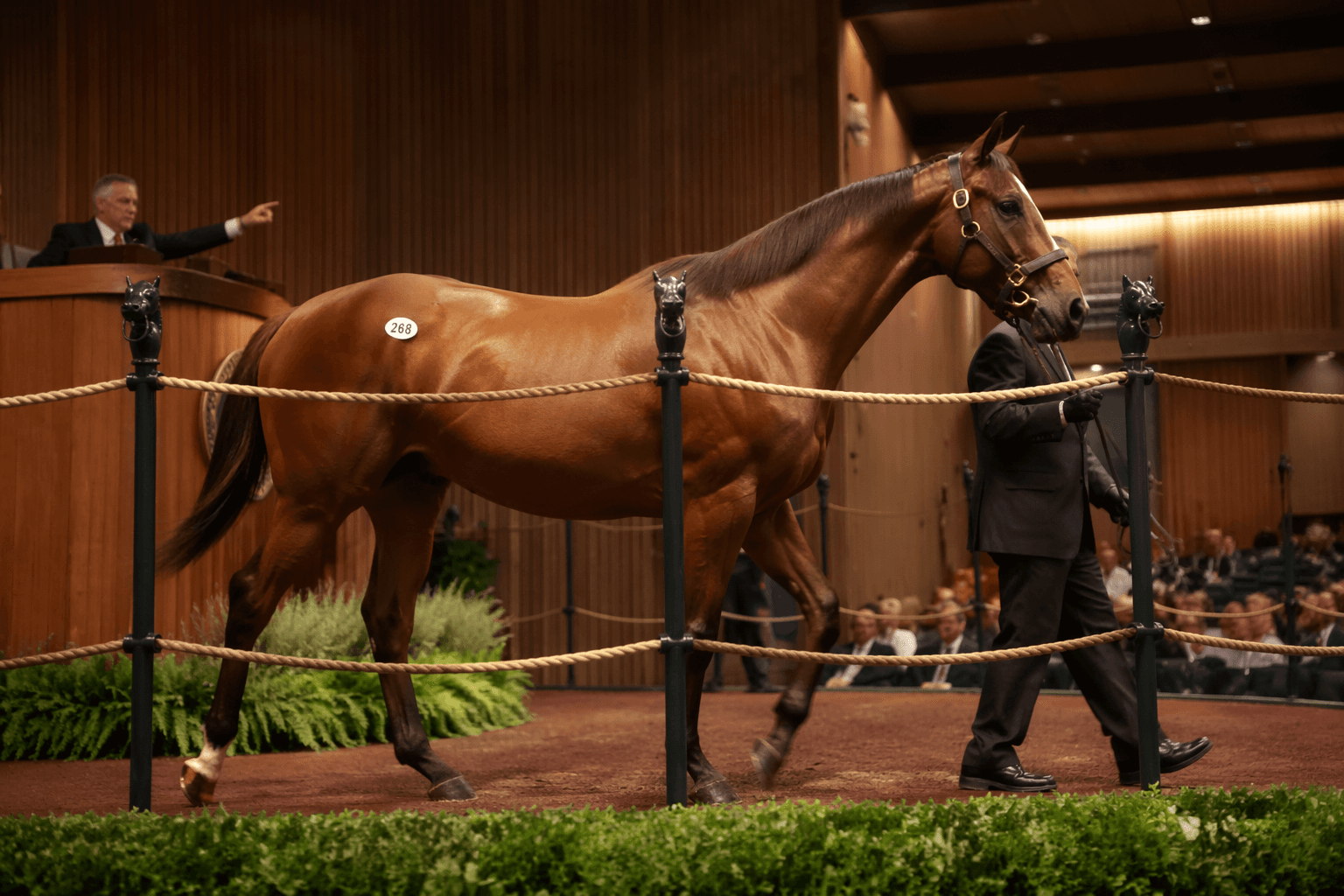
European mares add international depth to JRHA Select Sale
European mares are giving JRHA more than fashion: they are feeding the same sale that produced Equinox’s first commercial surge and shaping the next wave of Japanese runners.

The JRHA Select Sale opens with the obvious draw: the first yearlings by Equinox, the six-time Grade/Group 1 winner who was the world’s highest-rated horse in 2023. But the deeper story is that the catalogue is no longer just a showcase for Japanese stallion power. It also reads like an international breeding ledger, with European mares now based in Japan and already tied to the kind of race form that turns foals into blue-chip stock.
The sale at the center of Japan’s breeding market
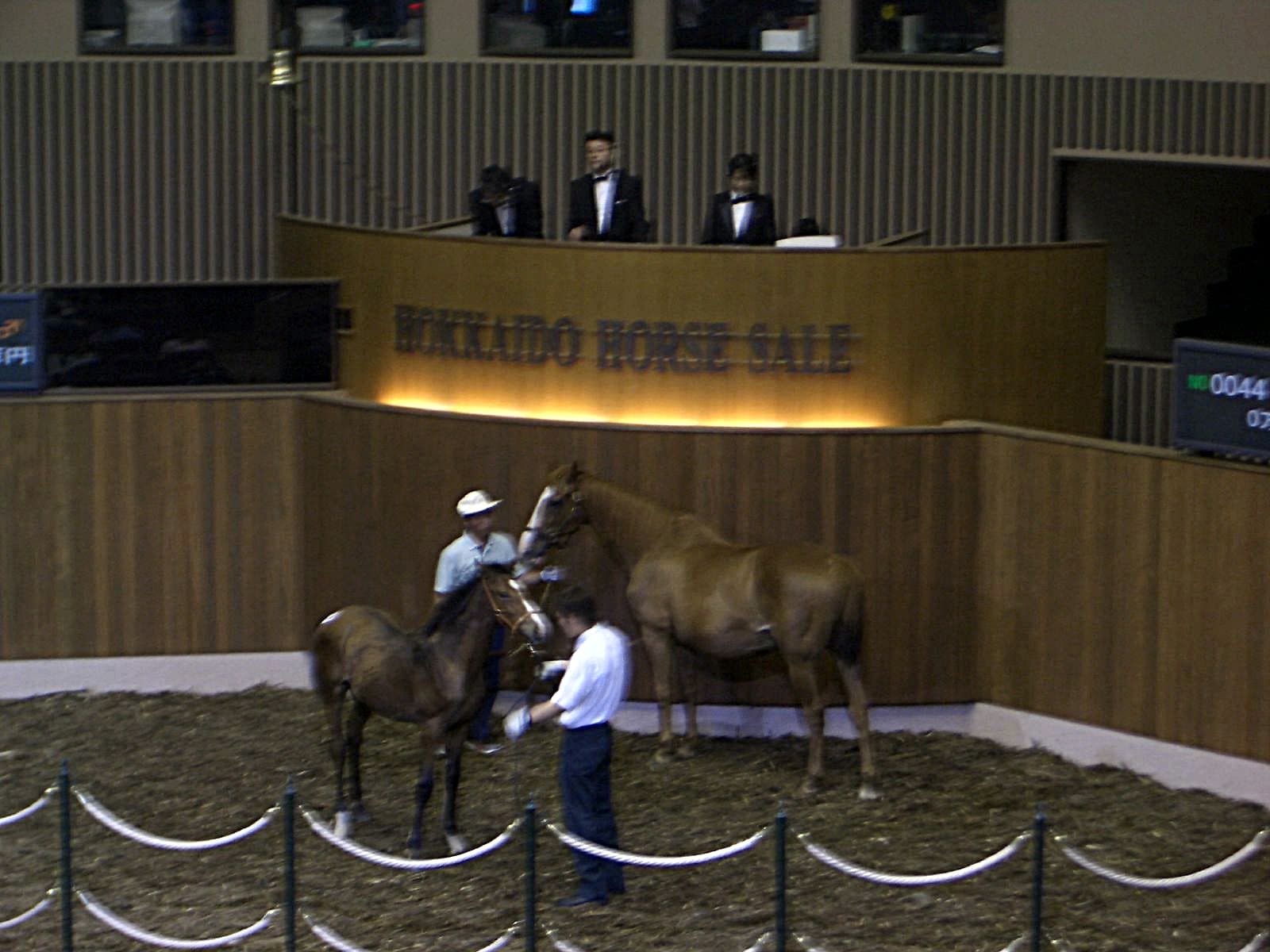
The 2026 JRHA Select Sale is set for July 13-14 at Northern Horse Park near New Chitose Airport in Hokkaido. JRHA cataloged 270 yearlings and 252 foals, with the yearling session on July 13 and the foal session on July 14. The yearling catalogue runs to 270, and the foal section covers 252 lots, giving the sale the kind of depth that keeps it central to the Japanese bloodstock calendar.
The structure matters because the sale is built around performance and scarcity at the same time. Buyers will see 14 yearlings by Equinox in the book, along with three foals by Auguste Rodin, a reminder that the catalogue is not only about the best domestic stallions but also about how Japan has folded in global pedigree influence. Kitasan Black and Contrail remain part of the domestic backbone, yet the sale’s appeal comes from the way those sires are paired with mares carrying major European black-type credentials.
Why Equinox changes the temperature of the ring
Equinox is the obvious headline act for the yearling session, and the market already has a benchmark for how hard it will chase his stock. TDN reported that 23 of his first foals sold at the 2025 JRHA Select Sale for an average of ¥155 million, about $1.04 million. That was not a one-off curiosity. It showed how quickly a fashionable, elite racehorse can turn into a commercial engine when the buyers trust the stallion and the venue.
That benchmark shapes how the 2026 book will be read. The first yearlings by Equinox are not just a stallion debut on paper; they are the most visible expression of what Japanese commercial breeding wants right now, which is athletic ability wrapped in proven elite form. The size of the Equinox section, combined with the sale’s broader catalogue strength, makes the yearling session the day most likely to reset expectations for Japanese yearling prices.
The European mares that give the catalogue its edge
The sale’s other major story sits in the broodmare layer. High-class European mares now based in Japan give the catalogue an international depth that goes beyond imported names on a page. Their records matter because JRHA buyers do not just pay for bloodlines, they pay for race-day proof, and these mares have already delivered it at the highest levels.
Insinuendo fits that pattern. She was a Group 2 winner and ran third at huge odds in the 2022 British Champions Fillies and Mares, a performance that stamps her as more than a useful mare with a tidy résumé. Pretty Gorgeous brings another kind of edge: she won the Newmarket Fillies’ Mile and was a former top juvenile, the sort of profile that signals both early class and lasting appeal. Rougir adds the transatlantic layer, having won at the highest level in both France and the United States, which is exactly the kind of international form that can lift a mare from good pedigree to premium broodmare status.
These mares are not abstract assets. Their foals and yearlings are part of the reason the JRHA book feels so deep, because they connect Japanese buyers to major European race form without leaving the Hokkaido ring. The official catalogue lists Pretty Gorgeous among the dams, which makes the point plain: this is not a theoretical trend, it is already embedded in the sale itself.
What the catalogue says about modern Japanese breeding
The most telling part of the JRHA Select Sale is how naturally the domestic and international pieces now fit together. Japan’s top commercial sires, including Equinox, Kitasan Black, and Contrail, are being matched with mares whose résumés were built in Britain, France, and the United States. That combination gives the sale a different texture from a purely homegrown market, because the broodmare band itself has become a collection of proven racehorses from abroad.
That matters for horseplayers as much as it does for breeders. When a mare has already won at Group level, or placed in a major European championship race, bidders can measure her produce against hard evidence rather than hope. In practice, that means the catalogue is not just selling pedigrees; it is selling the likelihood that elite race form can be repeated in Japan, where commercial demand tracks racetrack achievement closely.
What buyers should take from the market
The clearest lesson from JRHA is that the mare is no longer just a supporting piece behind the fashionable sire. In this sale, mares like Insinuendo, Pretty Gorgeous, and Rougir are central to the conversation because they bring the international class that gives Japanese foals wider appeal and stronger price support. The market has already shown how much it will pay for Equinox’s offspring, and the presence of these European mares suggests buyers are now looking for the next layer of value in the broodmare band itself.
That is what makes the 2026 sale feel bigger than a routine annual auction. It is a snapshot of a breeding program that has become global without losing its commercial focus, and the mares carrying top-level European form are now part of the core inventory. In Hokkaido, the winning profile is no longer just local excellence with a fashionable stallion on top. It is local power backed by mares whose race records already read like international stakes form.
This article was produced by Prism’s automated news system from verified source data, official records, and press releases, then run through automated quality and moderation checks before publishing. The system is built and supervised by the people who set the standards it runs under. Read our full AI policy.
Did this article answer your question?