Henry Brooke retires at 35, launches VIP toilets business
Henry Brooke quit at 35 after 18 years in the saddle and will launch a VIP toilets business, a sharp example of jump racing's early exit ramp.
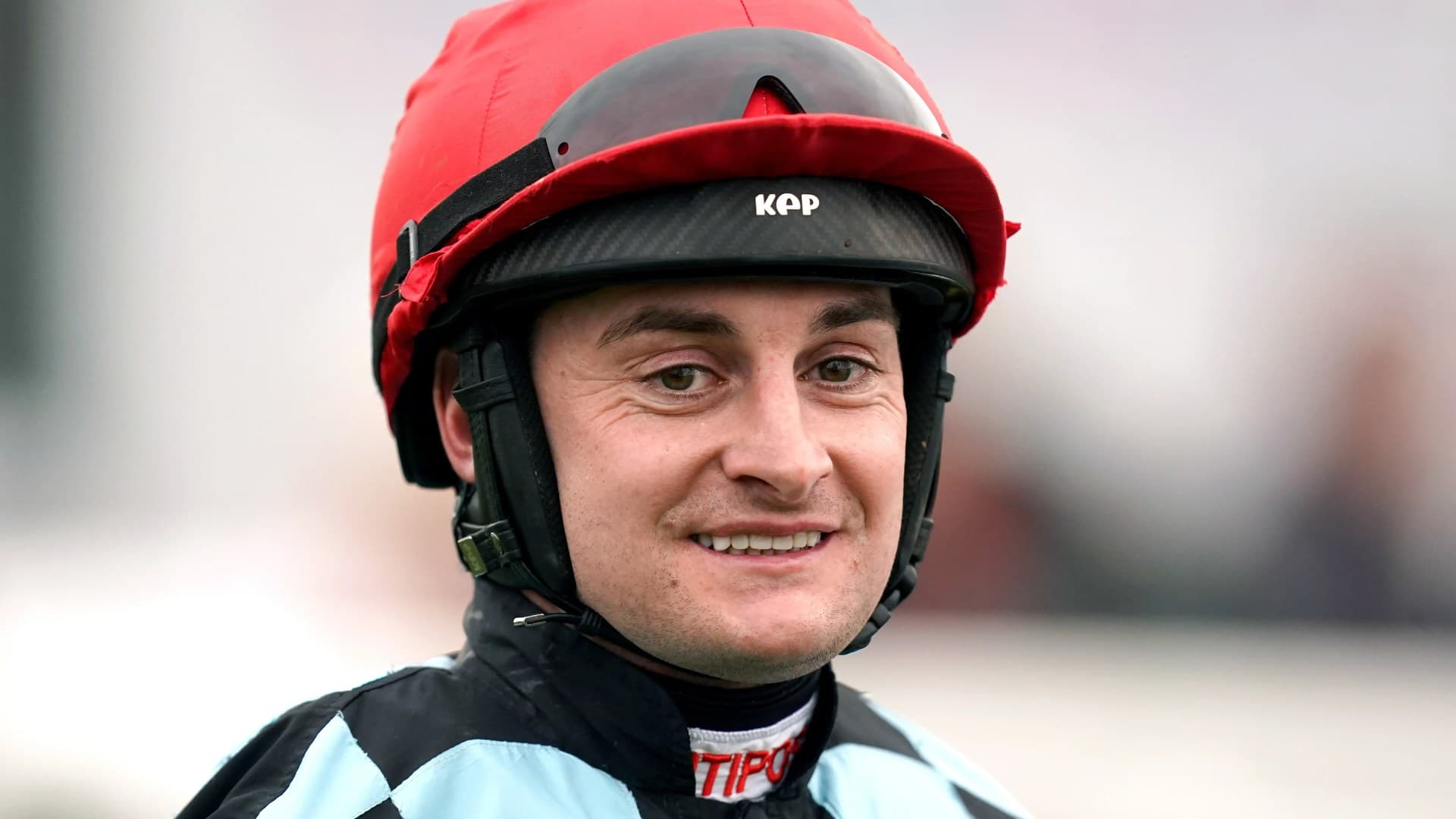
Henry Brooke has been forced to retire from racing aged 35 and will turn his attention to a VIP toilets business after an 18-year career in the saddle. The former champion conditional and Grade 1-winning rider also won over the Grand National fences at Aintree, leaving behind a jumps career that ended far earlier than the sport’s biggest names once imagined.
Brooke registered his first winner at Market Rasen in May 2010, then built a reputation as a tough northern jumps rider who reached the top level and handled one of the game’s most punishing tests. His retirement underscores the hidden cost of National Hunt racing: a career built on balance, bravery and repeat collisions with fences, where injuries and setbacks can end even elite runs before a rider reaches a conventional sporting prime.

The 35-year-old left racing saying he had “no regrets” and “amazing memories.” That part matters as much as the business pivot. Brooke is not drifting out of the sport so much as being pushed into a new one, with the move into VIP toilet trailers showing how quickly jump jockeys often have to convert race-riding experience into a second act.
His exit fits a wider pattern that has become familiar across British jumps racing. BBC Sport and Sky Sports have tracked a string of notable retirements in recent years, including Richard Johnson, Davy Russell, Daryl Jacob, Wayne Hutchinson and David Mullins. Johnson’s shock exit, announced with immediate effect, was another reminder that even the most successful jump jockeys rarely get to choose their own timing for long.
That churn is part of the sport’s structure. National Hunt riders spend years managing weight, falls, knocks and recovery, and many step away long before the usual age of athletic decline in other sports. For those who stay close to racing, the most viable second careers are often inside the industry, from training and bloodstock to media work, saddlery, schooling or race-day operations. Brooke’s own move is more unusual, but it still reflects the same reality: the saddle can be a launchpad, but rarely a lifelong one.
This article was produced by Prism’s automated news system from verified source data, official records, and press releases, then run through automated quality and moderation checks before publishing. The system is built and supervised by the people who set the standards it runs under. Read our full AI policy.
Did this article answer your question?