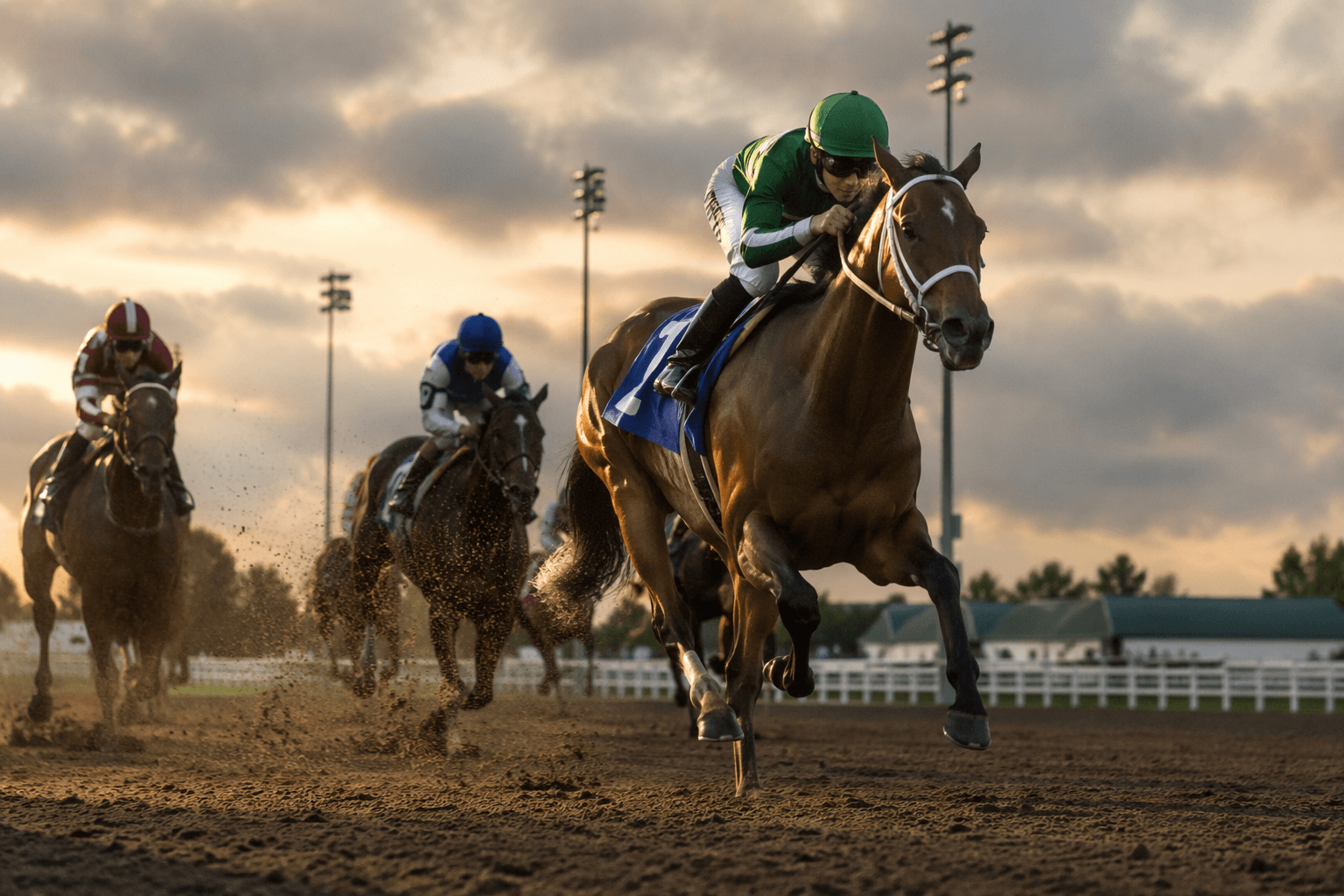
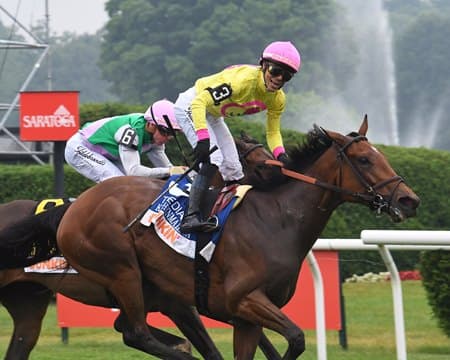
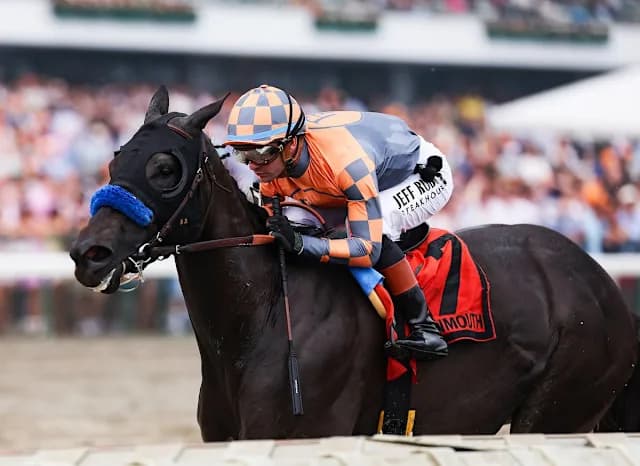
How the foundation sires shaped the Thoroughbred breed today
The foundation sires still matter because pedigree controls who can run, how yearlings are priced, and how trainers read speed, stamina, and surface fits.
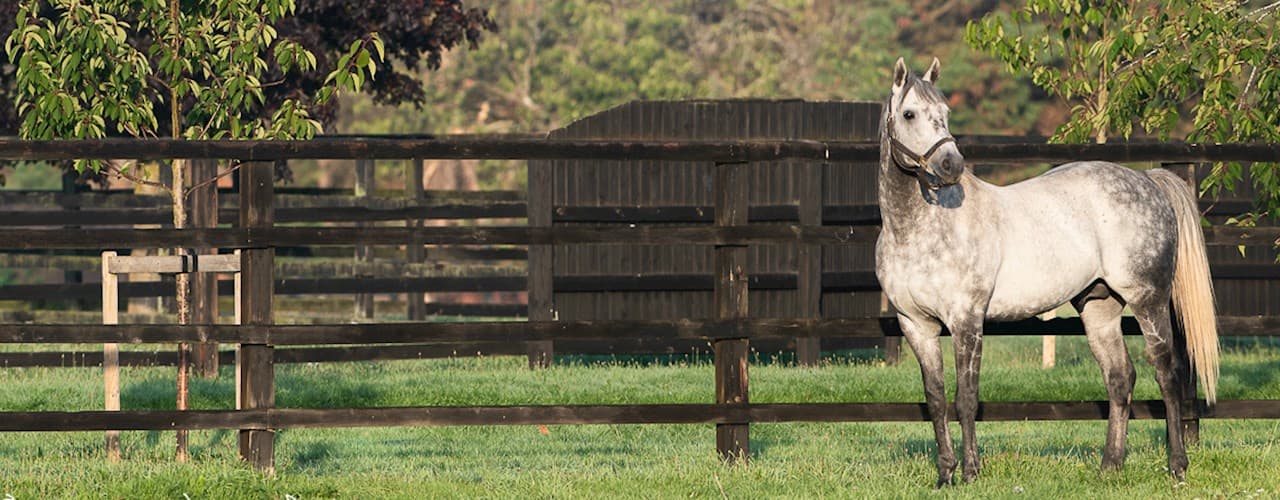
The Thoroughbred still runs on three stallions bred centuries ago, and that bloodline system is not museum lore. The Byerley Turk, the Darley Arabian, and the Godolphin Arabian still shape how horses are registered, sold, and placed today, from The Jockey Club’s registry files to Keeneland’s yearling catalogs.
The three names under almost every modern pedigree
The foundation sires sit at the center of the breed’s origin story. The Byerley Turk is generally traced to the 1680s through Captain Robert Byerly, the Darley Arabian to Thomas Darley’s import to England in 1704, and the Godolphin Arabian to the 1720s and Lord Godolphin’s racing stock. Those lines were bred into English racing horses during the late 1600s and early 1700s, creating the genetic base of the Thoroughbred breed that still dominates flat racing.
That is why the foundation-sire story remains useful in the present tense. When a modern Thoroughbred gets entered in a race, sold at auction, or sent to stud, the pedigree page is still pointing back to that same recorded bloodline system. The sport’s history is not separate from its business model, because the breed itself was built through a closed line of ancestry that the industry still tracks with precision.
Why the registry matters before a horse ever reaches the gate
The Jockey Club ties Thoroughbred registration to eligibility in the American Stud Book, and its rules require parentage verification and genetic typing. That makes the breed a closed registry, which is a major reason pedigree has so much force in racing: if the papers do not clear, the horse does not belong in the breed’s official lane.
The registry also moved into the digital age. Horses born in 2018 and after receive digital registration papers, and The Jockey Club issued its 100,000th digital certificate of foal registration in August 2023. The change matters operationally for owners and trainers because the paper trail now travels through the registry as a live management tool, not just a keepsake in a file cabinet.
The Jockey Club’s Updated Thoroughly Thoroughbred booklet, produced with support from the National Thoroughbred Racing Association and the Thoroughbred Owners and Breeders Association, pushes the same message: the pedigree system is not decorative, it is infrastructure. The Jockey Club UK’s All about the Thoroughbred and the American Stud Book rules both make the same point in different forms, linking breed history directly to today’s registration, breeding, and race eligibility standards.
How pedigree turns into campaign planning
Pedigree pages matter because they help horsemen read how a horse may want to run. Sire lines, dam lines, and sibling performance are used to judge whether a horse is likely to sprint or route, handle turf or dirt, or improve with age. That makes Thoroughbred racing unusual even among bloodstock sports, because campaign choices are often shaped months before a horse reaches a starting gate.
Modern sire power shows how this works in real time. Into Mischief is a blunt example of pedigree turning into market and racing force at once: he is a seven-time reigning champion general sire, his 2026 fee is $250,000 live foal, and he stood at Spendthrift Farm in Lexington, Kentucky. His record-tying third Kentucky Derby winner in Sovereignty in 2025 shows how a leading sire line keeps reaching into the sport’s biggest races, not just its breeding sheds.
That is the live handicapping piece. If a pedigree is loaded with speed and early class, connections may lean toward shorter trips or firmer placement early in the season. If the bloodlines suggest stamina, the trail to a race like the Kentucky Derby becomes more realistic, and that changes how horsemen target preps, how buyers interpret physical development, and how bettors read a horse’s future.
Why the sales ring pays so much attention to sire lines
The yearling market is where pedigree becomes cash. Academic research on Thoroughbred auction prices has found that pedigree quality variables, including the sire’s stud fee and the stage of the sire’s breeding career, affect price. Physical traits and performance prospects still matter, but the market clearly prices the pedigree as a forecast, not just a family tree.
Keeneland’s September Yearling Sale shows how central that forecast is. Keeneland cataloged 4,686 horses for its 82nd September Yearling Sale, and pedigree information sits front and center in the sale catalog and buyer evaluation process. That is where the foundation-sire story becomes commerce: buyers are not purchasing history for nostalgia, they are paying for the possibility that a page loaded with elite ancestors will produce stakes horses, stallion prospects, or broodmare value.
The commercial effect extends beyond the bid board. A strong pedigree can support stallion valuation, breeding contracts, and the next round of matings, because the market treats lineage as a measurable asset. When a sire like Into Mischief carries a $250,000 fee, that number feeds back into how yearlings are priced and how aggressively breeders try to access that bloodline.
What the foundation sires mean for today’s races
The deepest lesson from the Byerley Turk, the Darley Arabian, and the Godolphin Arabian is not just that they founded the breed. It is that modern Thoroughbred racing still runs through a tightly recorded bloodline system that affects entry eligibility, sale prices, and race placement all at once. The Jockey Club’s registry rules, the move to digital papers, and the yearling market at Keeneland all show the same structure operating in real time.
That is why pedigree is still one of the sharpest tools in racing. It helps explain why a horse is being aimed at a sprint, a route, turf, dirt, or a classic prep, and it helps the market decide what a yearling is worth before the first start ever happens.
This article was produced by Prism’s automated news system from verified source data, official records, and press releases, then run through automated quality and moderation checks before publishing. The system is built and supervised by the people who set the standards it runs under. Read our full AI policy.
Did this article answer your question?