Judge keeps Hawthorne backstretch open through Aug. 31 in bankruptcy case
Judge Timothy Barnes kept Hawthorne’s backstretch open through Aug. 31, giving about 500 workers and 500 horses more time to sort housing, shipping and stable plans.
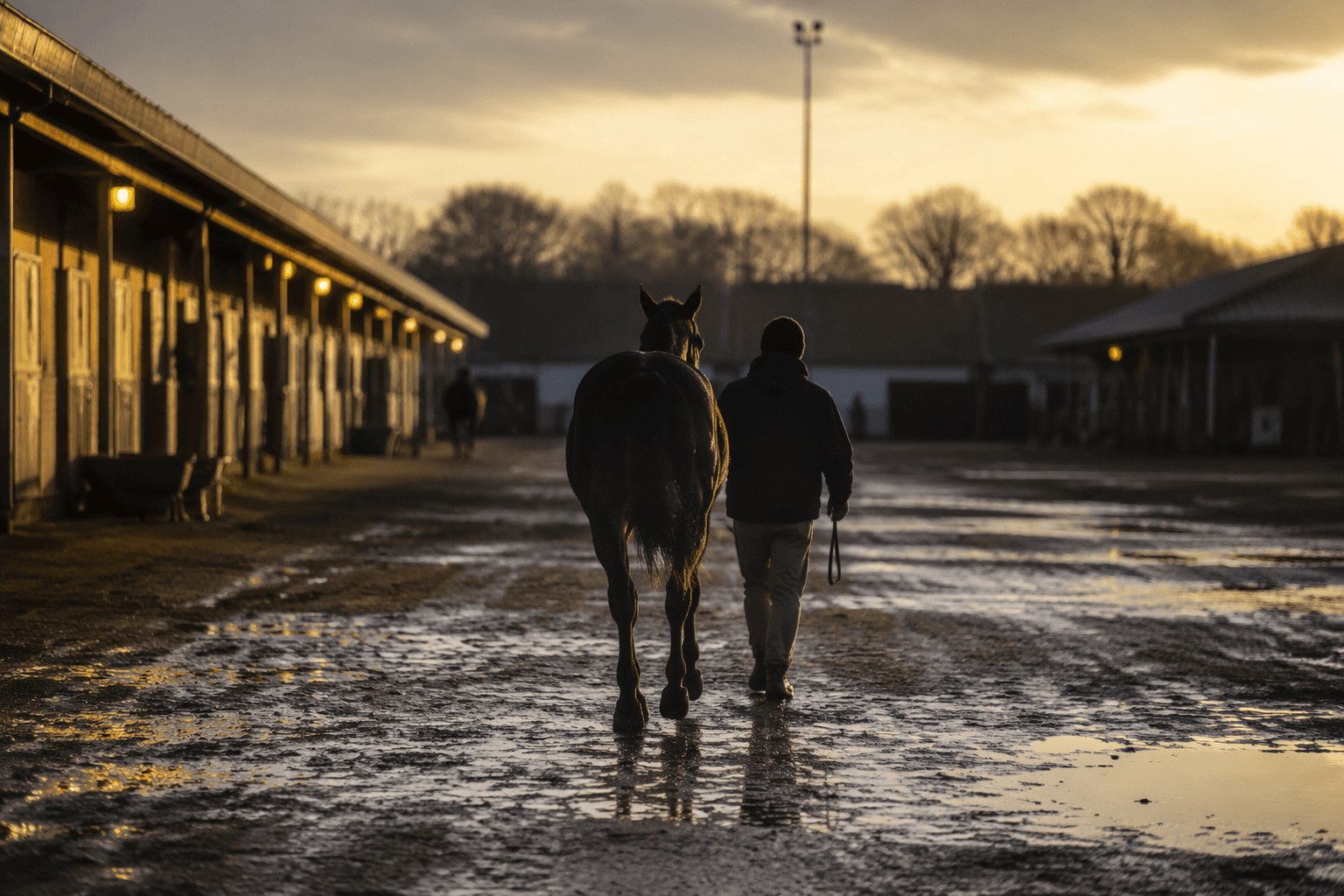
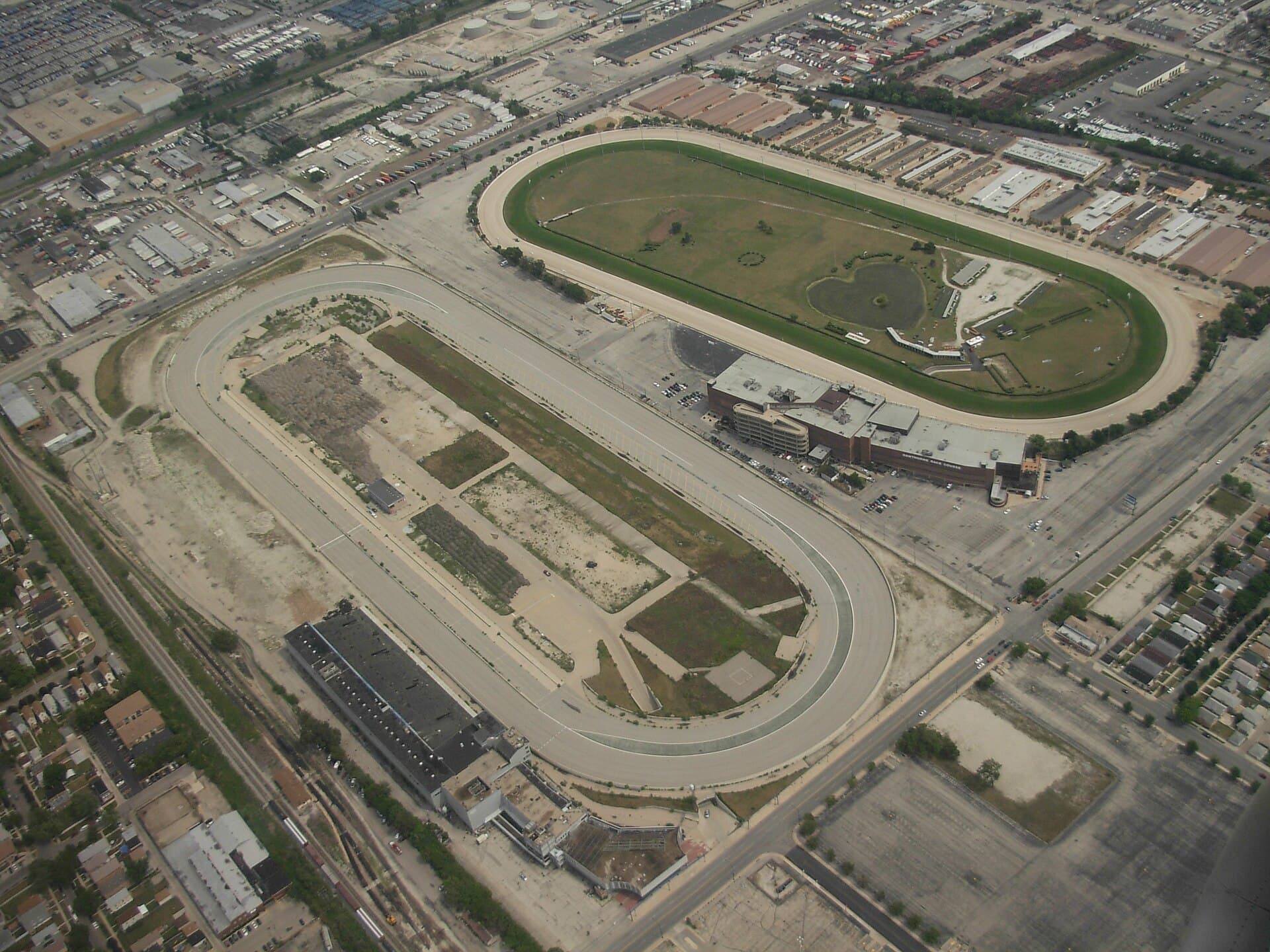
Judge Timothy Barnes kept Hawthorne Race Course’s backstretch open through Monday, Aug. 31, in the track’s Cook County bankruptcy case, buying several more weeks for roughly 500 people and about 500 horses living and working on the property. The ruling slowed a push to move faster on the shutdown timeline and gave horsemen a narrow window to handle the kind of logistics that can unravel fast at a racetrack.
The backstretch is home and workplace for grooms, hotwalkers, caretakers, trainers and their families, many of whom depend on the track for housing, daily services and steady work. Keeping it open gave those residents time to line up alternative housing, move horses safely and avoid a rushed relocation that could put both workers and animals at risk.
For owners and trainers, the extra month mattered in the most practical way possible: shipping, stalls, transport and training schedules all had to be reworked around the uncertain future of Hawthorne, the Chicago area’s last thoroughbred track and one of the oldest racetracks in the country. A sudden shutdown would have forced horsemen to scramble for space elsewhere, with no guarantee the next barn would be ready when the horses needed it.
The ruling landed in the middle of a broader bankruptcy fight that has already thinned out racing at Hawthorne. The track filed for Chapter 11 in February after years of financial strain, and its 2026 meet was cut to 57 days. Opening day featured only 42 horses entered in seven dirt races, with purses totaling $82,500.
Money is moving through the case, but it has not settled the future. A March 10 agreement included nearly $1.4 million in payment to Thoroughbred horsemen, and a later order set aside $3 million for the harness racing community. Later court activity also produced a $90 million stalking-horse bid for Hawthorne’s 119-acre property, with the buyer set to end racing unless another bidder emerged.
Tim Carey shared Hawthorne’s plan with the Illinois Thoroughbred Horsemen’s Association and made clear it was only a plan, not a certainty.
This article was produced by Prism’s automated news system from verified source data, official records, and press releases, then run through automated quality and moderation checks before publishing. The system is built and supervised by the people who set the standards it runs under. Read our full AI policy.
Did this article answer your question?