July 23 Summer Breezes track stakes horses and prospects
July 23’s OBS-sponsored Summer Breezes column arrives as Saratoga reopens. The works that matter most are the ones that signal fitness, timing, or a horse likely to take money.
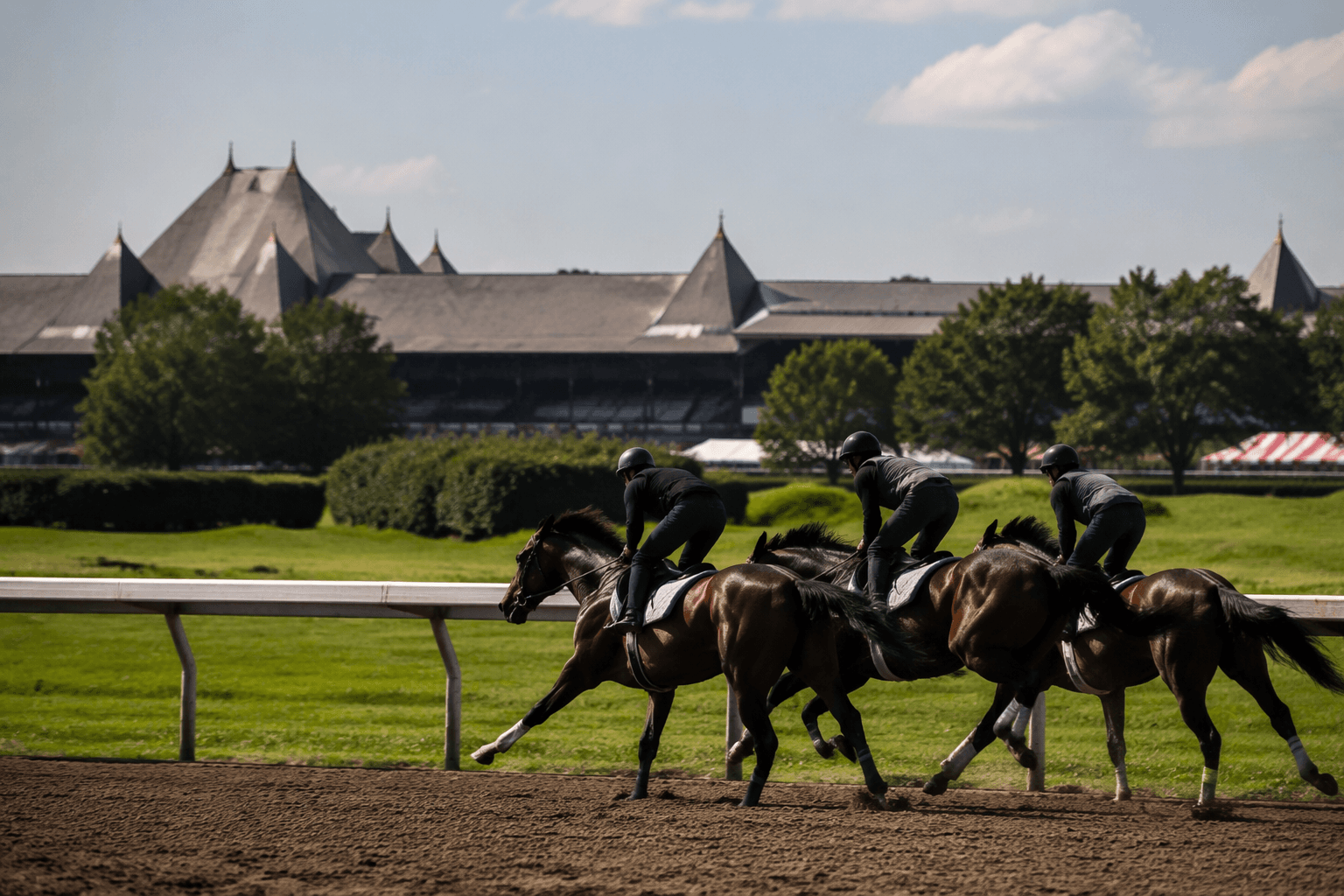
At Saratoga, the New York Racing Association resumes racing Jul 23, and the July 23 Summer Breezes column lands just as summer stakes races start to sharpen the betting picture. The timing makes a workout report more than background noise: it becomes a read on who is ready, who is being pointed, and who may be overhyped.
Why this workout column matters now
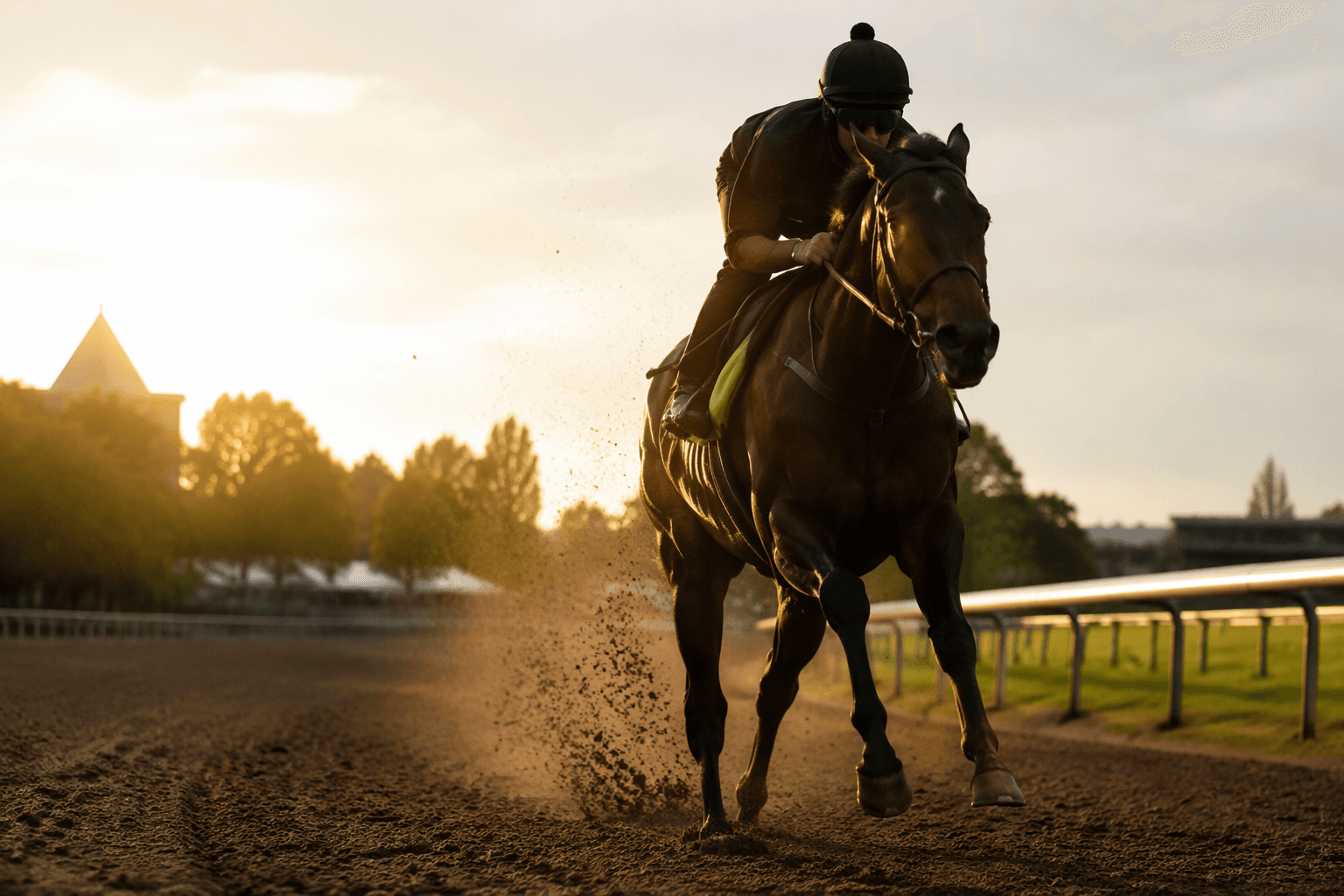
Workout columns like Summer Breezes sit in the narrow space between morning training and afternoon wagering. They give one of the few daily snapshots of horses between starts, and in July that snapshot carries real stakes for barns trying to keep older runners sharp, move maiden winners forward, and keep younger horses on schedule for their next target.
Thoroughbred Daily News published neighboring Summer Breezes installments on July 17 and July 19, making the series part of a steady workout-reporting circuit rather than a one-off note. Repeated coverage lets horseplayers track whether a horse is maintaining a pattern, stepping up, or suddenly doing something different in the mornings.
The works that can change a betting opinion
Not every breeze should move a line. The most useful reports point clearly to fitness, intent, or hidden improvement, especially when the clocking lines up with the surface and the horse’s current stage of development. A bullet work, for example, can signal sharpness if it fits the horse’s normal profile and came over the same surface it will race on. A cleaner half-mile that looks efficient rather than merely fast can matter even more, because it suggests a horse did not need to be all-out to show its condition.
The third pattern to watch is a steady series of drills. One good move can be noise; a sequence of controlled works in mid-July can show a barn mapping a horse toward a late-July or early-August start.
When the work is unusually quick for the horse, the takeaway is not always the same. Sometimes it signals readiness for a target race. Other times it is the kind of flashy morning move that creates a public overbet, especially if the horse has not backed it up in the afternoons.
How the calendar frames the read
July is deep into the summer stakes season. Trainers are trying to hit late-July and early-August spots with horses that are already in motion, and that means the spacing between works becomes as important as the raw number in the clocking line. A horse working well in mid-July may be on the runway for a stakes race within days, while another horse breezing conservatively may only be keeping a base level of fitness.
A July 23 breeze report sits close enough to the racing schedule to suggest intent, but early enough to catch horses before the public fully prices them into the overnight or the wagering pools.
Saratoga and Del Mar are the backdrop
Saratoga is the clear anchor for the timing here. The workout column lands at the opening of one of the sport’s most important summer meets. When a meet like Saratoga opens, horsemen have to get the spacing right, because the first high-profile stakes opportunities can arrive quickly and the morning work often reveals which barn has its horses cranked.
Del Mar sits in the same summer ecosystem. Thoroughbred Daily News maintains a Del Mar tag archive, extending the reporting lane to another major summer circuit where workout notes and stakes preps matter just as much.
What OBS adds to the picture
OBS sponsorship adds a bloodstock layer to the column. Workout reports are not only about current performance, but also about future value. A sharp move from a young horse can change how a buyer, breeder, or owner views the horse’s trajectory, and OBS sits at the center of that marketplace connection.
For horseplayers, the sponsorship is a reminder to separate racing readiness from sale-ring buzz. A horse that works well can look attractive both as a betting proposition and as a future asset.
How to read the column like a horseplayer
- Look first for the work that is fast for the horse, not just fast in the abstract. Context matters more than a single split.
- Check whether the work came over the same surface the horse is likely to race on. Surface consistency can make a breeze more predictive.
- Pay close attention to the spacing of drills. A horse with a steady summer pattern may be fitter than one with only one standout line.
- Treat an eye-catching move as a possible overbet signal if the horse has not shown that level in races.
- Use the timing around late-July and early-August targets to judge intent. Mid-July works often tell you which barns are aiming at something specific.
This article was produced by Prism’s automated news system from verified source data, official records, and press releases, then run through automated quality and moderation checks before publishing. The system is built and supervised by the people who set the standards it runs under. Read our full AI policy.
Did this article answer your question?