Keeneland summit targets trainer-vet tension over racehorse scratches
At Keeneland, vets and horsemen focused on the scratch call itself, from pre-race exams to injury flags, as Kentucky scratches nearly doubled since 2022.
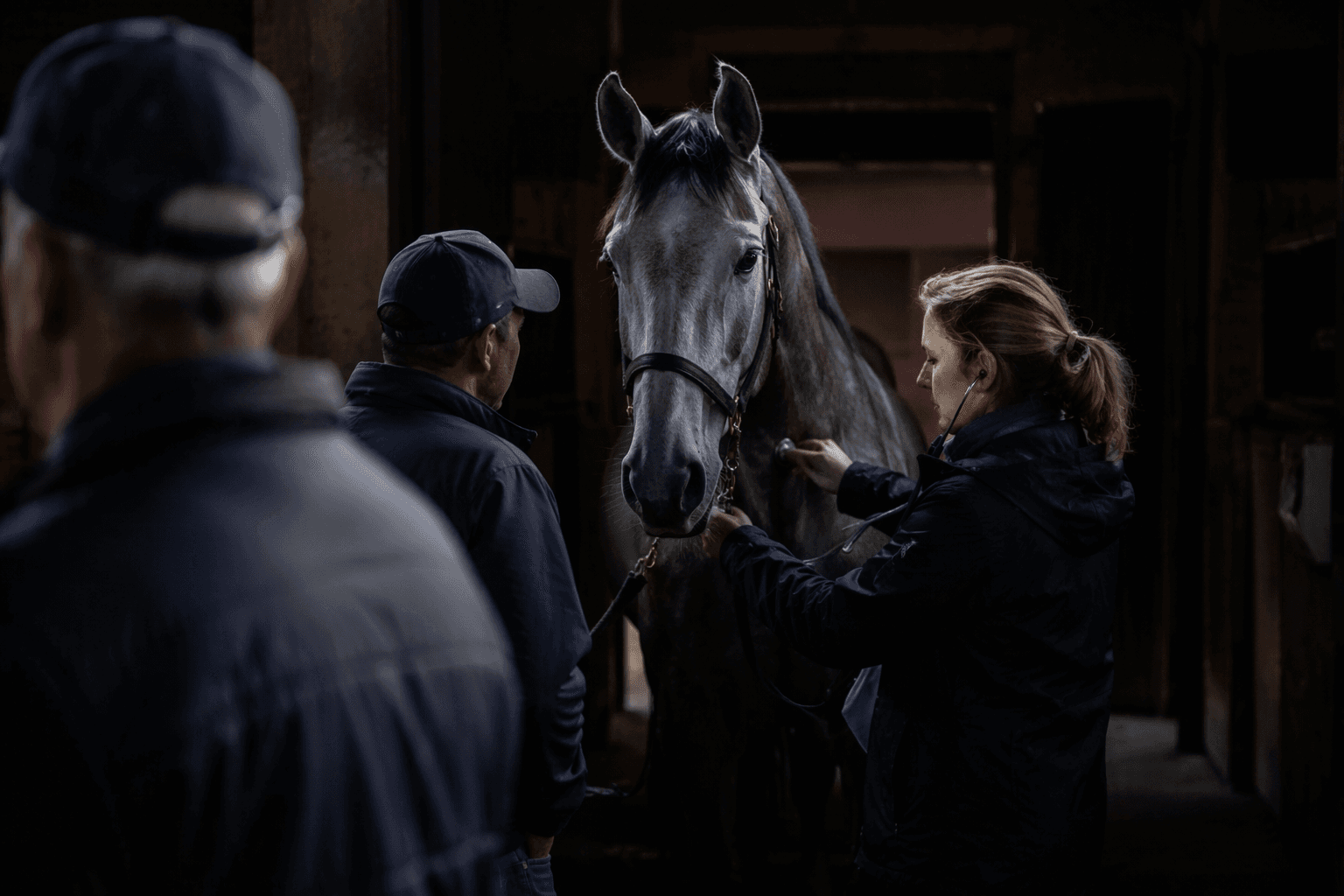
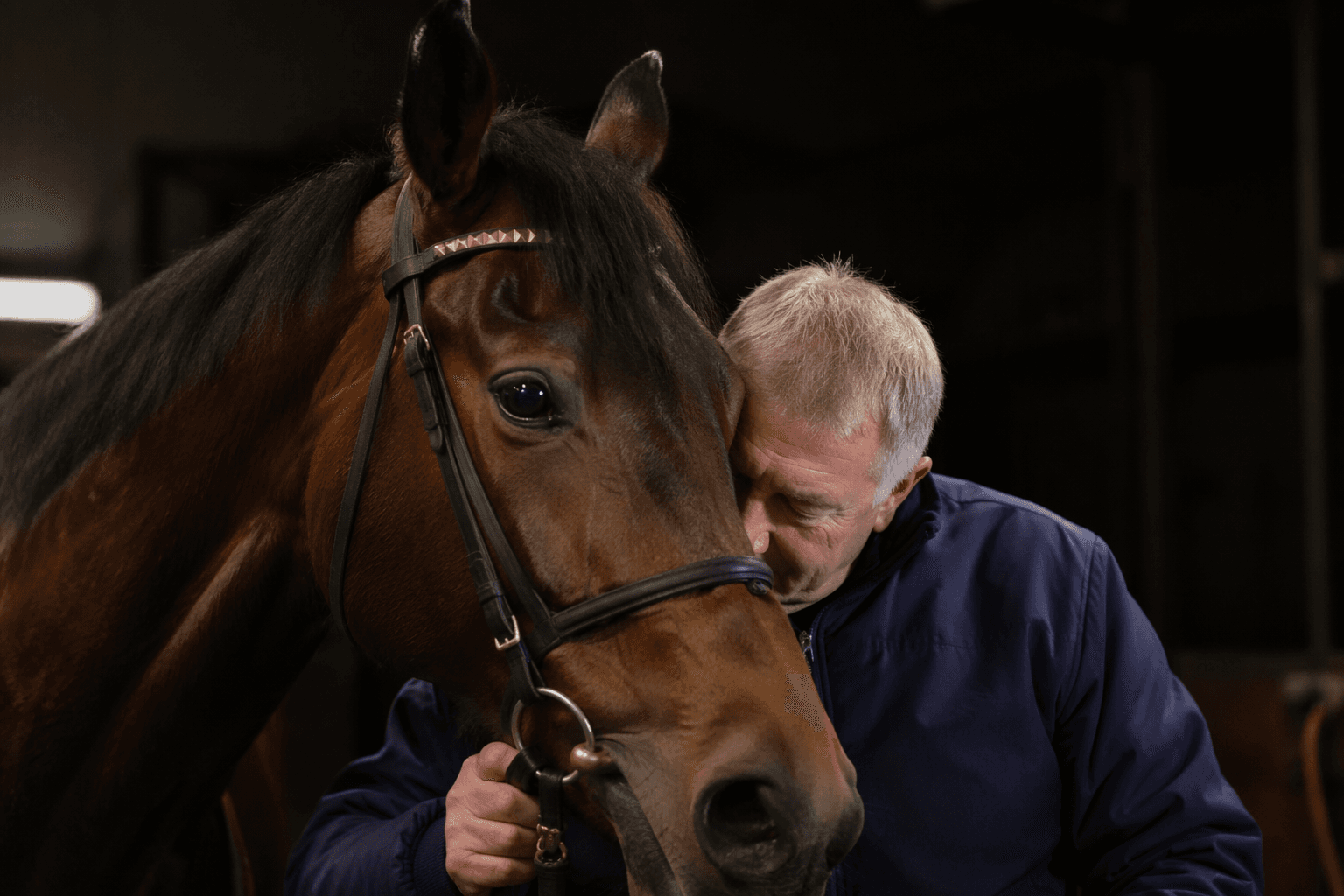
The 12th Welfare and Safety of the Racehorse Summit brought trainers and regulatory veterinarians into the Keeneland Sales Pavilion in Lexington, where the sharpest arguments centered on race-day scratches. The June 29-30 meeting, livestreamed by the Grayson-Jockey Club Research Foundation, focused less on philosophy than on the points where both sides can still find common ground: pre-race exams, scratch decisions and the early detection of injury.
That practical frame mattered because the sport’s tensions have been building for years, and the White Abarrio lawsuit made the stakes impossible to ignore. White Abarrio’s owners filed in Los Angeles Superior Court on April 14 over the colt’s late scratch from the 2025 Breeders’ Cup Dirt Mile, naming Breeders’ Cup Limited, Del Mar Thoroughbred Club and the California Horse Racing Board and seeking more than $10 million in damages. In Kentucky, where raceday scratches have nearly doubled since 2022 as a percentage of entrants, the issue has moved from an annoyance to a recurring flash point.
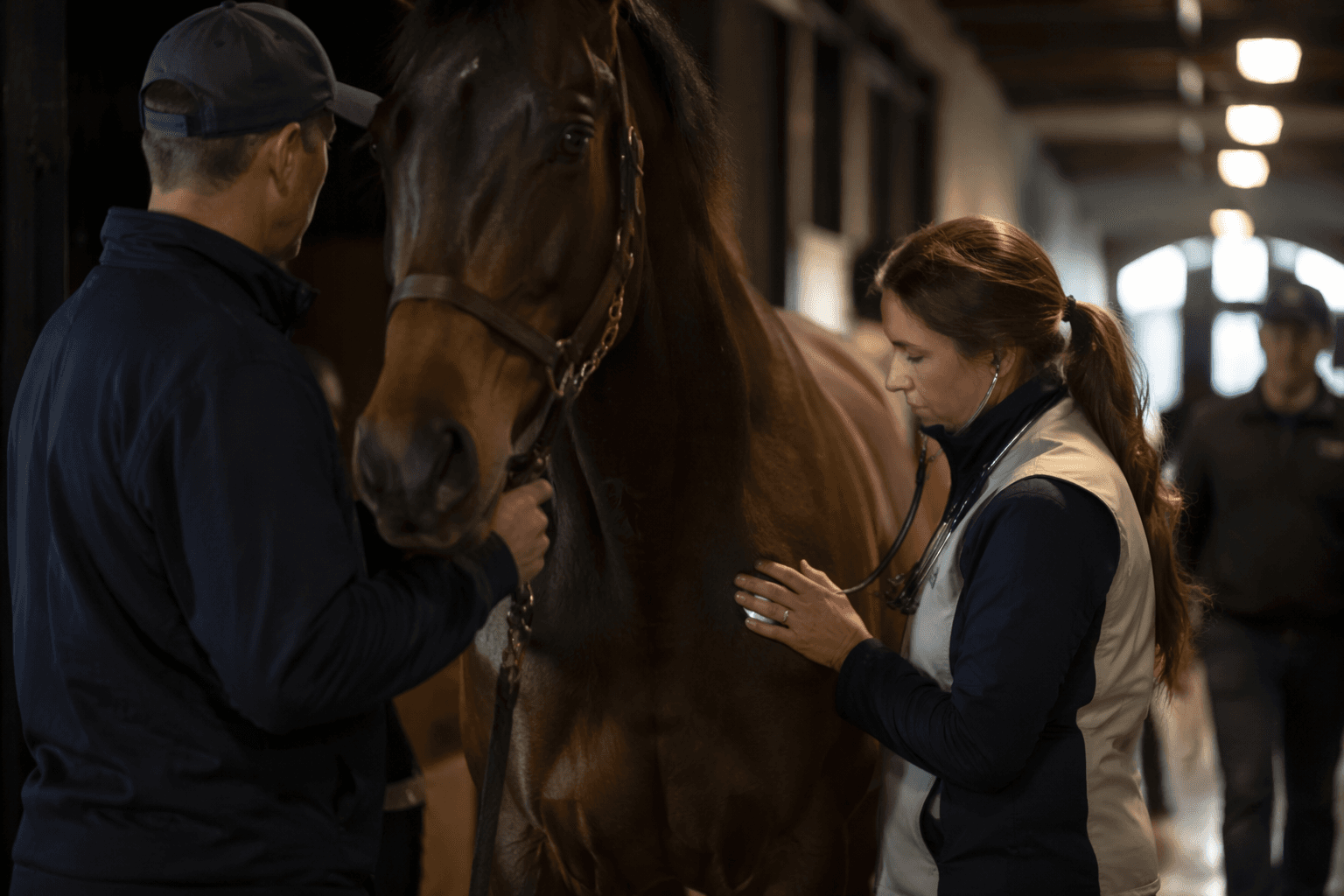
The June 29 session on the regulatory vet scratch process put Dr. Stuart Brown, Dr. Will Farmer, Dr. Nick Smith, Barbara Borden and Dr. Shari Silverman on the same panel, with Dr. Mary Scollay moderating. Her message to attendees was blunt in effect if not in tone: the people making scratches are trying to protect horses, not sabotage cards. That distinction is now central to how the sport explains itself to horsemen who see a late scratch as lost opportunity and to regulators who see it as a line of defense before a horse reaches the gate.
The discussion also reflected how much more evidence now sits behind those calls. Panelists pointed to the growing flow of data from the Horseracing Integrity and Safety Authority, along with wearable technology and video analysis, as part of a broader shift away from relying only on a horse’s last awkward step. Repetitive stress, not just one bad move, is increasingly shaping how vets judge whether a horse is safe to run.
HISA has pushed that approach with its own recent releases, including a May 8 Equine Health Advisory on fatal injury risk in horses previously placed on the Veterinarians’ List as Unsound, its 2025 Annual Metrics Report on March 24 and its 2026 First Quarter Metrics Report on May 12. Grayson-Jockey Club said past summits helped produce the Equine Injury Database, Jockey Injury Database, Racing Surfaces Testing Laboratory, uniform trainer test and study guide, and pre-race examination modules, all aimed at making those decisions more consistent.
That is where the summit’s value showed most clearly. The sport is still arguing over scratches, but the conversation is shifting toward measurable indicators, earlier detection and a process that gets more horses to the entry box only when the evidence says they belong there.
This article was produced by Prism’s automated news system from verified source data, official records, and press releases, then run through automated quality and moderation checks before publishing. The system is built and supervised by the people who set the standards it runs under. Read our full AI policy.
Did this article answer your question?