Las Vegas racing revival plan calls for $550 million facility
Chip Meyers wants a $550 million Las Vegas Downs with 60 race days, the nation's richest average daily purses, and a site between the M Resort and Mandalay Bay.
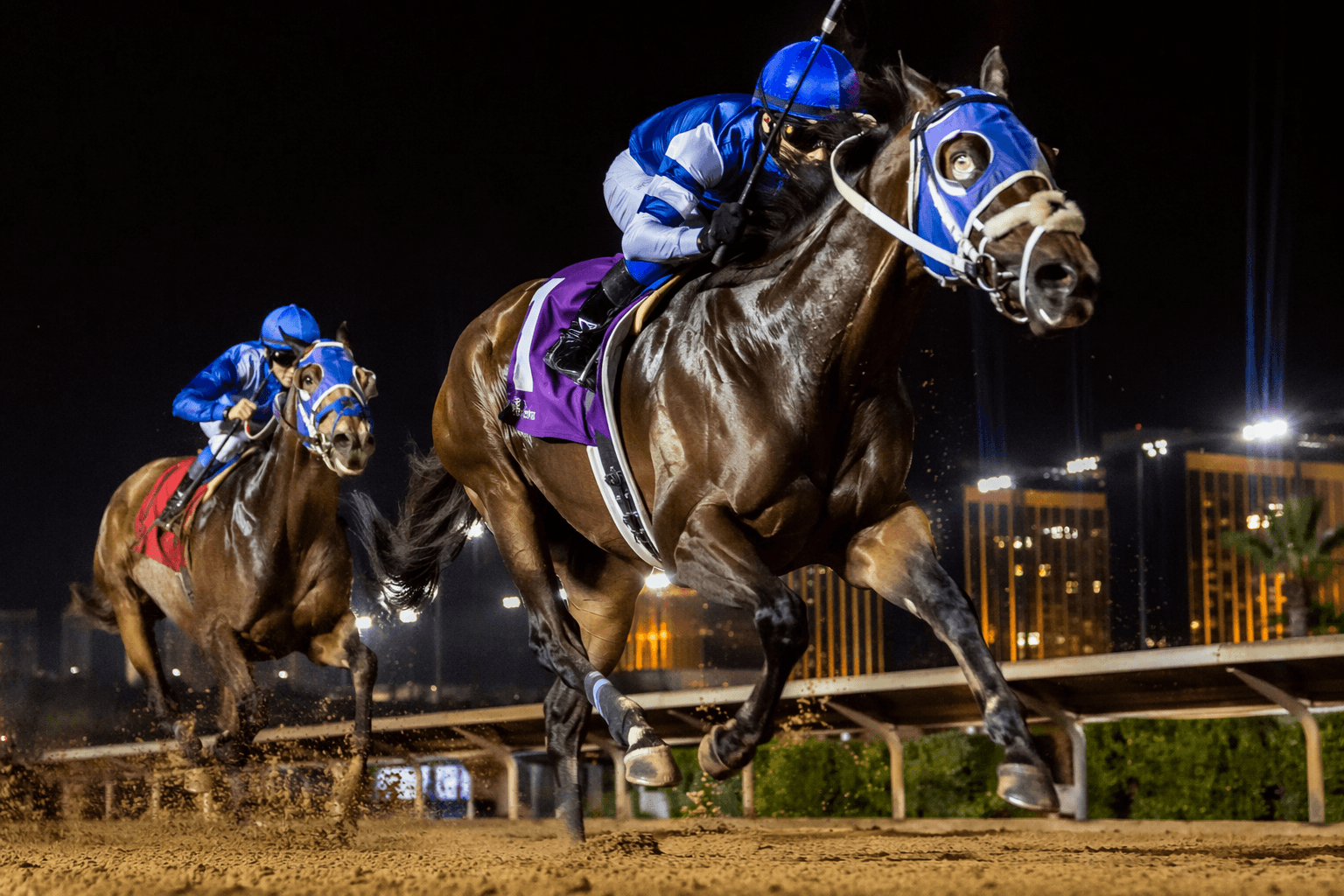
Chip Meyers is pitching a $550 million return of Thoroughbred racing to Las Vegas, with Las Vegas Downs built for a 60-day season and, he says, the highest average daily purses in the country. The project would go on the southern edge of the Strip, between the M Resort and Mandalay Bay, placing live racing inside the same entertainment corridor that has reshaped the city’s sports business.
Meyers, 58, founded a company that operates Bitcoin ATM machines, and his plan is more than a grandstand-and-backstretch concept. Las Vegas Downs would include a 1 1/4-mile dirt oval and a 1 1/8-mile turf oval, along with a membership model built around private clubhouses and ownership opportunities. The schedule he has outlined would run from the start of November through the start of April, a winter meet designed to give the track a defined place on the Western racing calendar rather than ask it to survive as a year-round stand-alone business.
The legal hurdle may be as large as the capital stack. Meyers wants 24-hour gambling on horse racing only, a structure that would require a change in legislation. Nevada’s racing framework already runs through Chapter 466 for horse-racing licensing and racing meets, and Chapter 464 for pari-mutuel wagering, so any new Las Vegas track would have to fit within that structure or persuade lawmakers to alter it. The Nevada Legislature, the Nevada Gaming Commission and the Nevada Gaming Control Board would all matter if the project moves from concept to filings and approvals.
Las Vegas has been down this road before and lost the bet. Las Vegas Downs opened in Henderson in 1981, but it closed after three years. Joe Wells ran a Thoroughbred-Quarter Horse meet at Thunderbird in 1963, and both that operation and the Las Vegas Park auto-racing layout were out of business by 1966. Earlier efforts also surfaced in the 1930s, the 1950s and the 1960s, and none left a lasting live-racing foothold in the market.
That history is the benchmark for Meyers’ pitch. Nevada remains a major wagering state, with more than $8 billion bet in its most recent fiscal year cited in the track’s backstory, and Las Vegas already hosts the National Horseplayers Championship at Horseshoe Las Vegas. The city’s sports profile has also widened with the Golden Knights, Raiders and Formula 1, giving Meyers a ready-made argument that horse racing can still be sold as part of a destination package. Whether that package can support a sustained live meet is the test that has defeated every previous Vegas revival plan.
This article was produced by Prism’s automated news system from verified source data, official records, and press releases, then run through automated quality and moderation checks before publishing. The system is built and supervised by the people who set the standards it runs under. Read our full AI policy.
Did this article answer your question?

