Lone Star Park closes season with handle gains, Elliott and Asmussen lead
Lone Star Park finished its spring meet with a 2% rise in on-track handle and a 4% gain in export wagering, while Stewart Elliott and Steve Asmussen again topped the standings.
Lone Star Park closed its 30th Spring Thoroughbred season with modest but meaningful gains, finishing the 41-day meet with average live on-track handle of $251,403 and average export handle of $170,053. Attendance also increased, and the familiar names at the top of the standings told the rest of the story: Stewart Elliott was the leading jockey for the fourth time, and Steve Asmussen collected his 19th Lone Star training title.
The season ran from April 16 through July 12 across 41 live racing days, giving Grand Prairie a steady spring and early-summer racing rhythm. Lone Star built the meet around Thursday and Friday night cards at 6:35 p.m. CT, weekend and Memorial Day programs at 1:35 p.m., and special twilight post times of 5 p.m. on July 3 and July 4. That schedule matters because it gave the track a mix of prime-time wagering windows, family-friendly afternoon dates and holiday showcase cards, the kind of structure that can support both attendance and simulcast play.
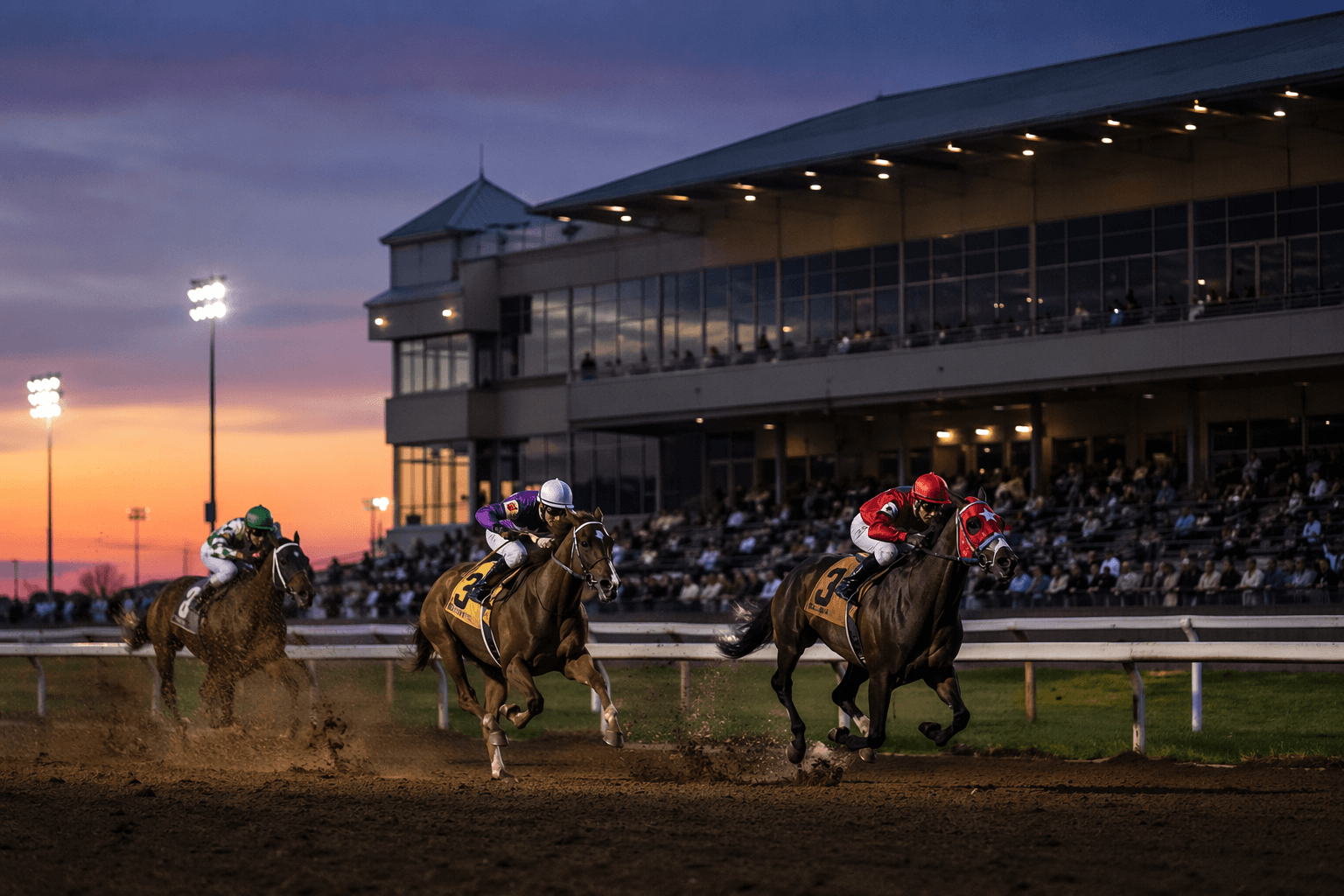
The handle numbers were not flashy, but they were real progress. The $251,403 daily on-track average was up 2 percent from 2025, when Lone Star averaged $247,453 at the windows. Export handle climbed 4 percent to $170,053 per day from $162,976 a year earlier. In a summer racing market where field size and betting volume can swing quickly, those are the kind of gains tracks try to protect because they show the meet is still producing business, not just filling dates.
The stakes schedule helped give the season a bigger competitive frame. Lone Star offered 21 stakes worth a combined $2.65 million, turning the meet into more than a regional filler card cycle. That purse structure gave horsemen meaningful targets across the spring, while also giving bettors a deeper stakes product to anchor their wagering. The setup also points to why Lone Star’s closing figures matter beyond one meet: the track was able to pair a full stakes slate with slight year-over-year growth in both live and simulcast play.
Elliott’s fourth leading-rider title and Asmussen’s continued run at the top, including prior meet championships in 2025, 2024 and 2023, reinforced how the meet still rewards proven local strengths. Lone Star’s 2026 finish does not scream breakthrough, but it does show a track that kept its business moving in the right direction and preserved the competitive relevance of its spring season.
This article was produced by Prism’s automated news system from verified source data, official records, and press releases, then run through automated quality and moderation checks before publishing. The system is built and supervised by the people who set the standards it runs under. Read our full AI policy.
Did this article answer your question?

