Maryland approves $48.5 million purchase of Laurel Park
Laurel Park is headed toward a state-owned future as Maryland turns the 229-acre track into a year-round training base and shifts live racing back toward Pimlico in 2027.
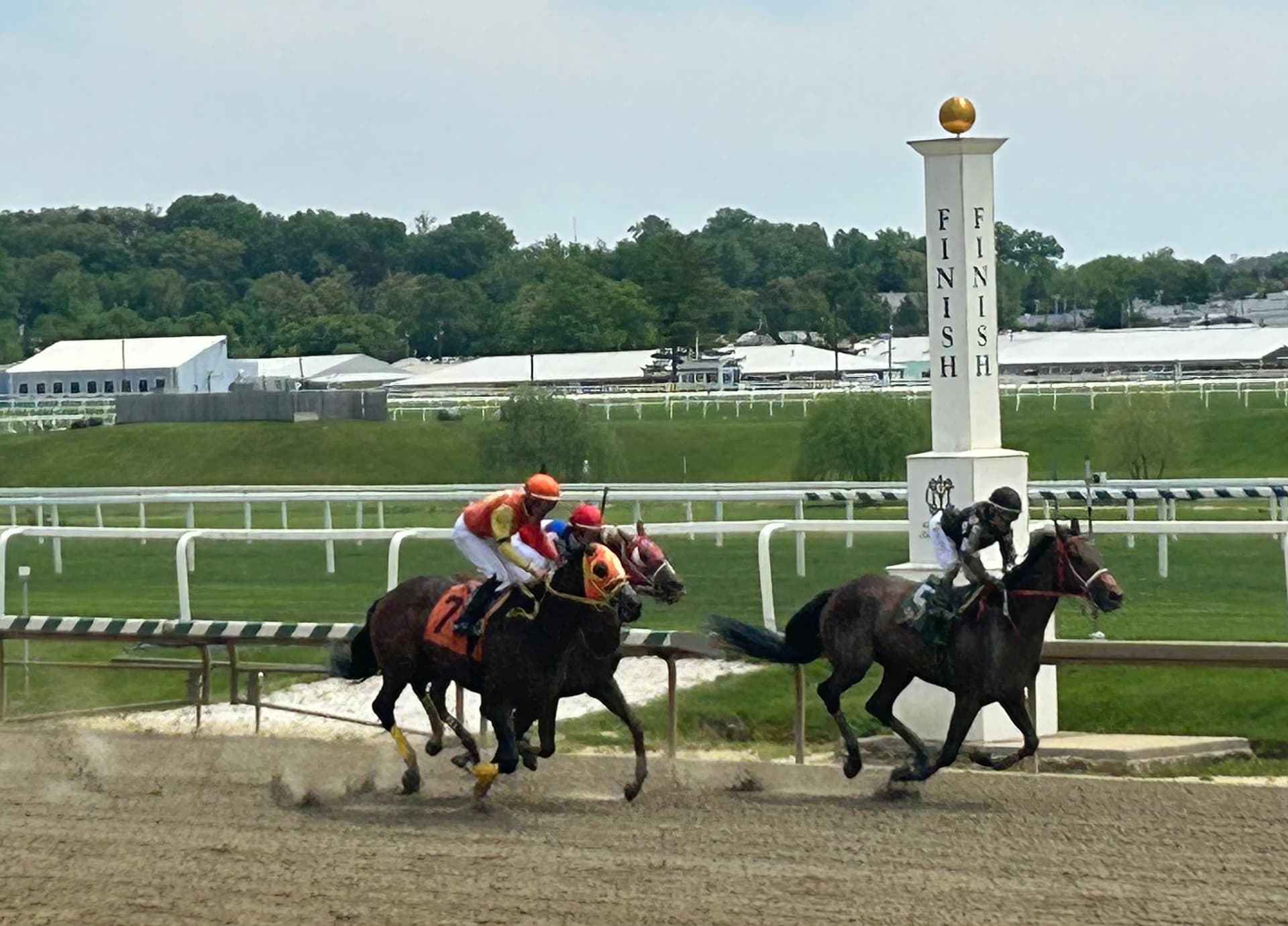
Maryland’s $48.5 million purchase of Laurel Park cleared its final hurdle Tuesday, putting the 229-acre track on course to become a year-round training center and changing where Maryland’s Thoroughbreds will live, work and prepare over the next two seasons.
The Board of Public Works gave final approval on July 1, after the Maryland Stadium Authority had already backed the deal in April. A legislative delay in May, triggered by a request for a cost-benefit analysis and a 45-day review period, had slowed the transaction, but the state now has the clearance to move Laurel into public ownership and redevelopment.
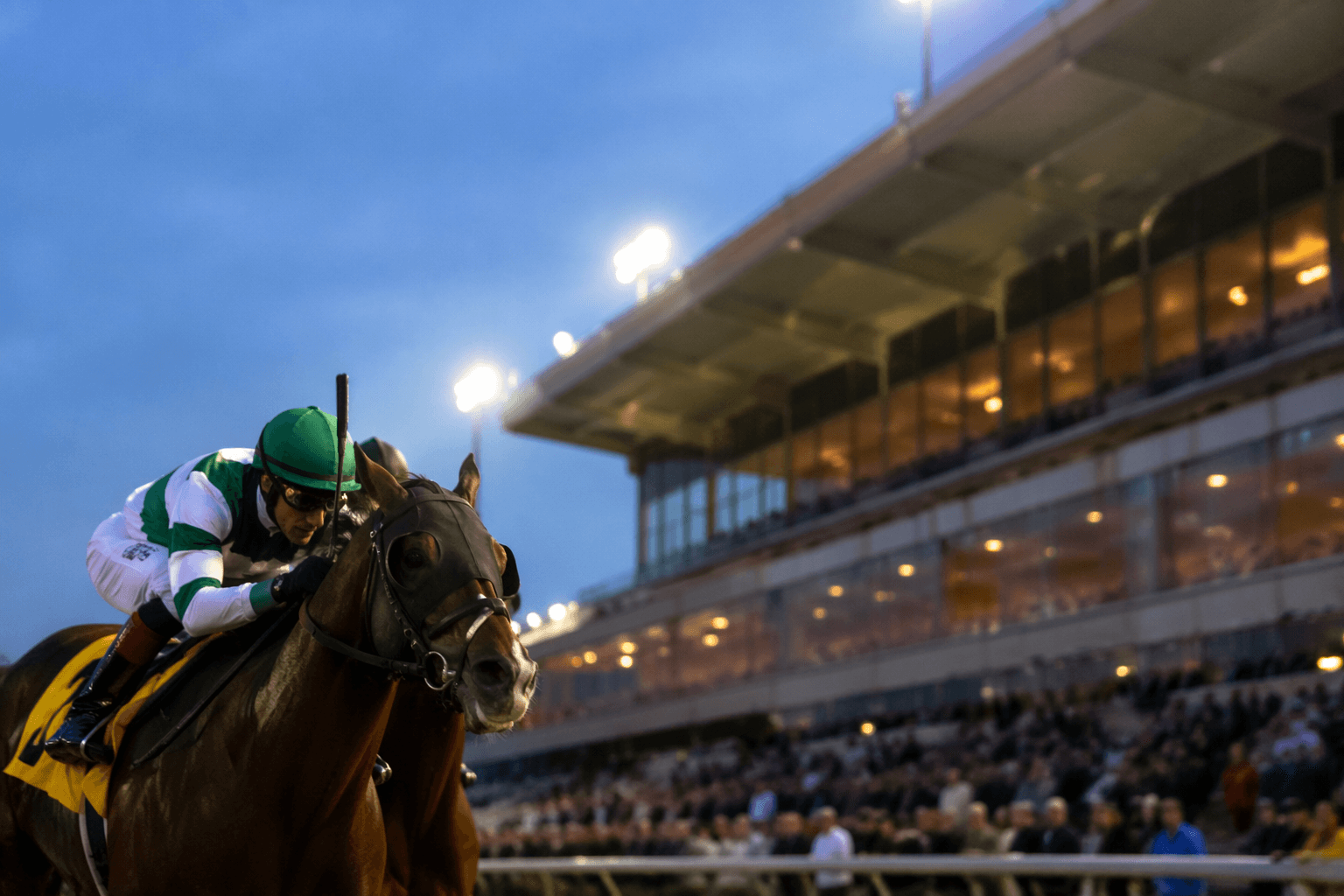
That matters because Laurel is no longer just the state’s alternate racing venue. It has hosted most of Maryland’s live race days in recent years, and it stepped into the spotlight again when the 151st Preakness Stakes was run there on May 16 while Pimlico Race Course remained under renovation. Maryland’s plan is to bring the Preakness back to a reimagined Pimlico in spring 2027 and make that track the permanent home of Maryland racing with about 120 racing days each year.
For horsemen, the bigger shift is operational. State officials have framed Laurel as a centralized Thoroughbred training facility, and the Maryland Thoroughbred Horsemen’s Association has supported that direction, arguing that keeping Laurel in that role offers long-term stability for owners, trainers, backstretch workers, breeders and the businesses that depend on the racing economy. Early upgrades are expected to focus on living facilities for workers and horses, which points to a practical reset of the backstretch as much as a change in ownership.
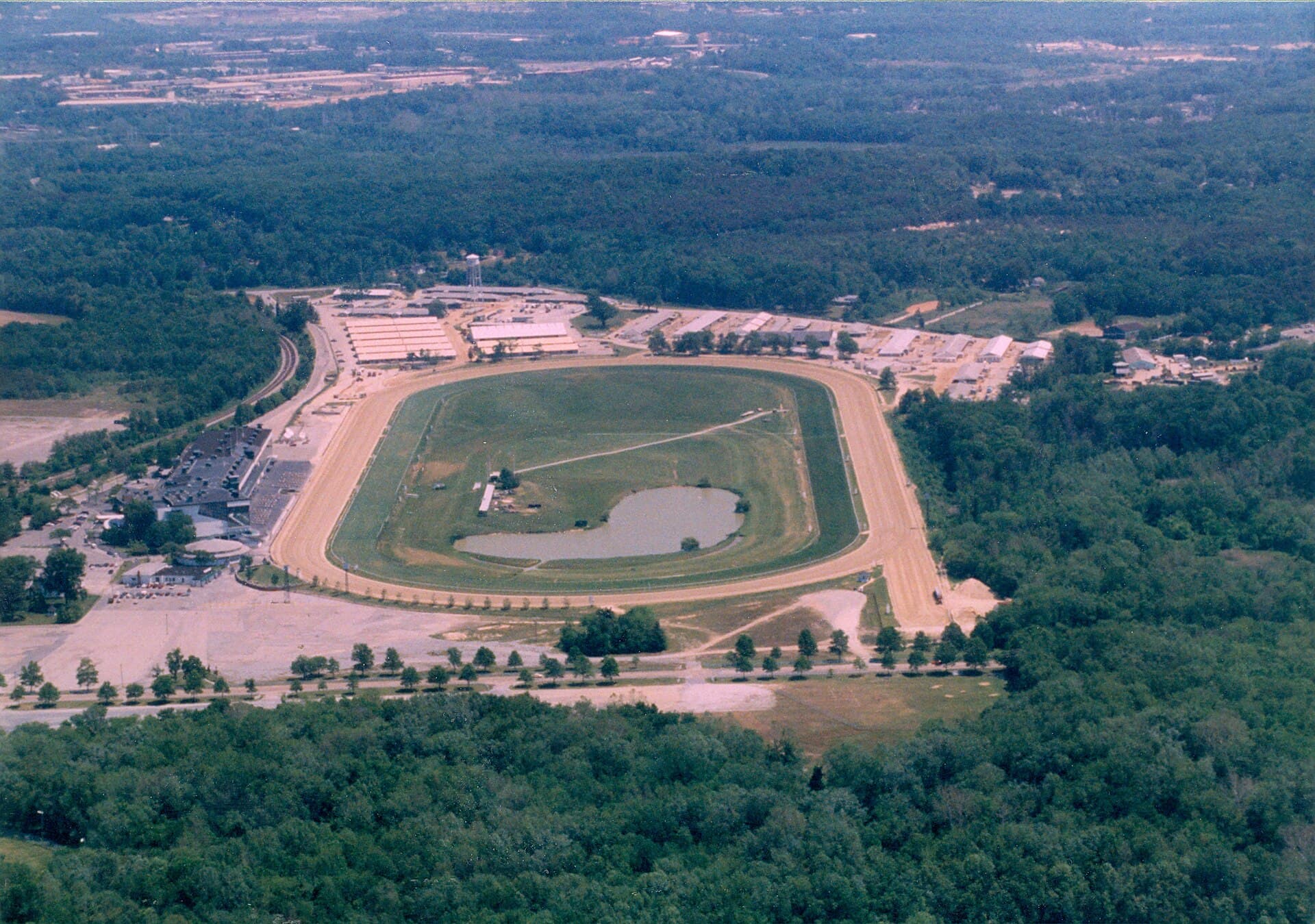
The state has also argued that the Laurel purchase saves more than $50 million compared with alternatives, a figure that underscores how much of Maryland racing’s future is now being reorganized around two tracks with distinct jobs. Pimlico is being rebuilt to reclaim the spotlight for major race days, while Laurel is being positioned as the day-to-day base that keeps horses in the state and the circuit moving. For trainers and horsemen, that means the center of gravity in Maryland racing will keep shifting south and west of Baltimore, even as the sport’s biggest day eventually returns to Park Heights.
This article was produced by Prism’s automated news system from verified source data, official records, and press releases, then run through automated quality and moderation checks before publishing. The system is built and supervised by the people who set the standards it runs under. Read our full AI policy.
Did this article answer your question?