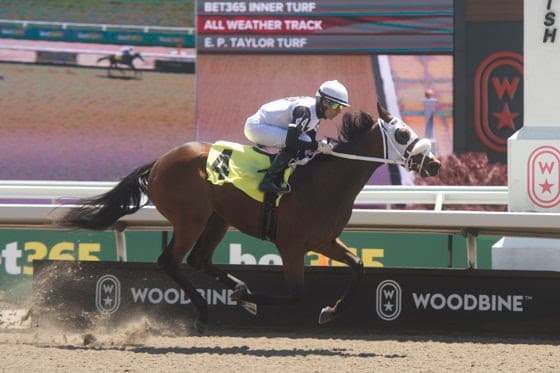
Mrs D carried the stronger stakes case on Woodbine’s Sunday juvenile card, stepping into the $125,000 My Dear Stakes after a three-length maiden win in 59.22, while Hesatrooper lined up in the co-featured $125,000 Victoria Stakes. Both races were run at 5 1/2 furlongs on Woodbine’s All Weather Track and each carried a $125,000 purse, a clean early-season test for 2-year-olds trying to turn one fast race into something more durable.
Mrs D’s debut on May 31 was the kind of effort that gets noticed quickly. She broke outward at the start, then recovered and took over once she straightened out, drawing clear in a time sharp enough to make the stakes jump look justified. She went off as the 8-5 favorite that day, and trainer Steven Chircop now had a filly with a résumé that already looked cleaner than a simple maiden win. Owned by JDLP Holdings Inc. and bred in Kentucky by Dixiana Farms LLC, Mrs D arrived at the My Dear with the profile of a horse that could move into the local juvenile pecking order with one more professional sprint.
The Victoria offered a different kind of exam, but the point was the same. Seven 2-year-olds were entered for the race, keeping the field compact enough to force every colt and gelding to run to his number from the break. Hesatrooper was among them, giving the race at least one entrant with enough early momentum to merit attention in a field that should have been honest from start to finish.
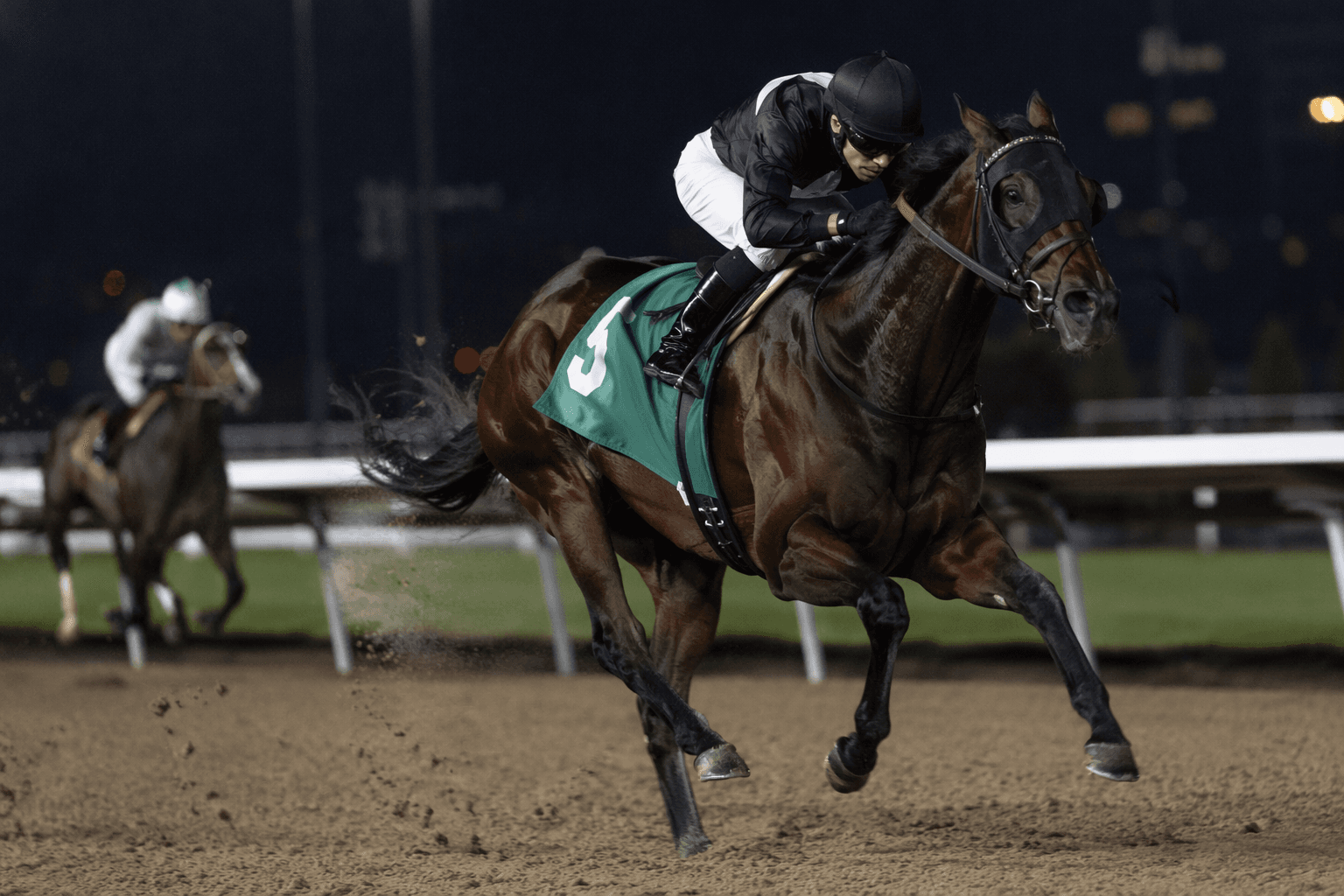
For Woodbine, the timing made the doubleheader matter beyond the day itself. Juvenile sprint stakes this early in the meet often sort out which horses can keep advancing and which ones are still one good allowance run away from being taken seriously. Mrs D had already shown she could finish the job after a rough start, and that kind of rebound is what separates a promising first-time winner from a filly who can actually shape the rest of the summer.
Woodbine opened the live program at 1:00 p.m., and the My Dear was set as Race 9 at 5:28 p.m. on the stakes sequence. By the end of the afternoon, the clearest takeaway was simple: the fillies and colts who handled this 5 1/2-furlong test best were the ones most likely to stay relevant when the bigger juvenile races come back around.
Every story on Horse Racing News is assembled by an automated editorial system that works from verified research, official records, and credible reporting, then clears automated accuracy and moderation checks before it goes live. The standards that system follows are set and overseen by the people who run the publication. Read our full editorial policy.
Did this article answer your question?