Newmarket July Festival could unveil the next Classic star
Newmarket’s midsummer meeting is built to expose future stars, with the July Stakes, Falmouth and July Cup all offering clues to the next Classic horse.
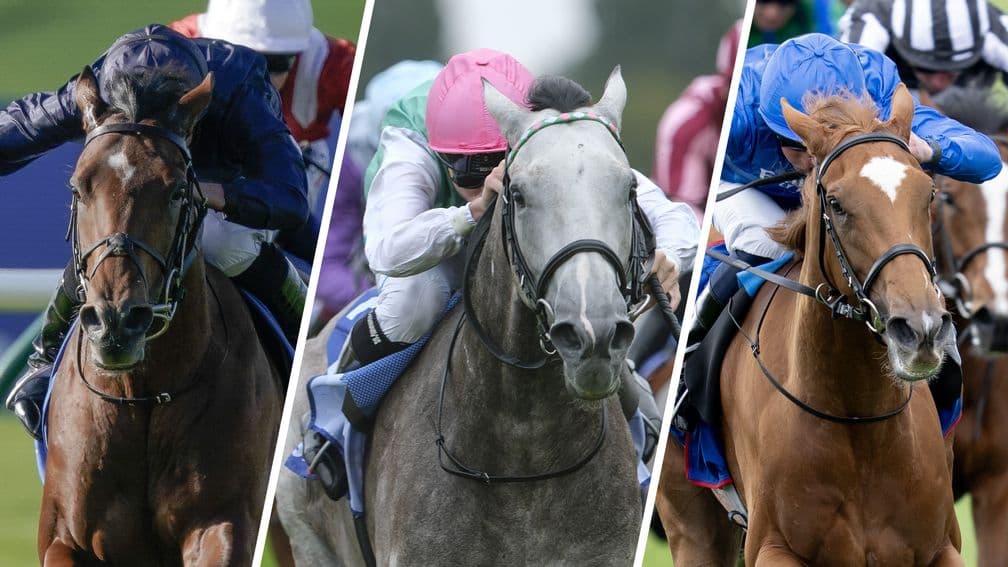
Newmarket’s July Festival arrives with a familiar promise: one of these three days can turn a promising horse into the next major talking point of the Flat season. The meeting is not just a summer fixture, it is a live scouting ground for the horses that may shape the 2026 Classics and beyond.
A three-day stage with Classic stakes
The July Festival 2026 runs from Thursday 9 July to Saturday 11 July at Newmarket Racecourses on the July Course. Ladies Day opens the meeting, Festival Friday follows, and July Cup Day closes it on Saturday, when the final-day feature is the Group 1 July Cup. The Jockey Club calls that race the pinnacle of the three-day festival, and that is the right framing for a meeting that regularly changes the way the rest of the season is judged.
Newmarket’s July Course does not just host this one festival. Its mid-July schedule stretches beyond the three festival days, underlining how central the venue is to the summer Flat season and why a standout performance here can echo far wider than the meeting itself.
Why the July Stakes matters most for future Classics
If the question is which race most reliably points toward future Classic quality, the July Stakes is the first place to look. Established in 1786, it is the oldest surviving event for two-year-olds in the British flat racing calendar, and that history gives it real weight as a juvenile proving ground. When the best youngsters meet here, the performance often says as much about raw talent as about immediate results.
That is why a genuine standout in the July Stakes tends to look different from a mere winner. The horse should travel with ease, show maturity in a race that can expose inexperience, and finish in a way that suggests the engine is still being held in reserve. A colt or filly that does that on the July Course begins to look like a horse that can graduate from smart juvenile to serious Classic contender.
For fans and bettors, the July Stakes is where the eye test matters most. A promising horse that can cope with pressure, hold position, and quicken cleanly without looking laboured is the kind of runner that can move quickly into conversations about bigger targets later in the summer and into next season.
The Falmouth Stakes as a filly and mile checkpoint
Friday’s Group 1 Tattersalls Falmouth Stakes is one of the headline races of the festival, and it sits in the programme as a sharp test of class, pace and composure. Because it brings together high-quality fillies on Festival Friday, it often tells you whether a horse is merely useful in strong company or capable of progressing into the upper end of the mile division.
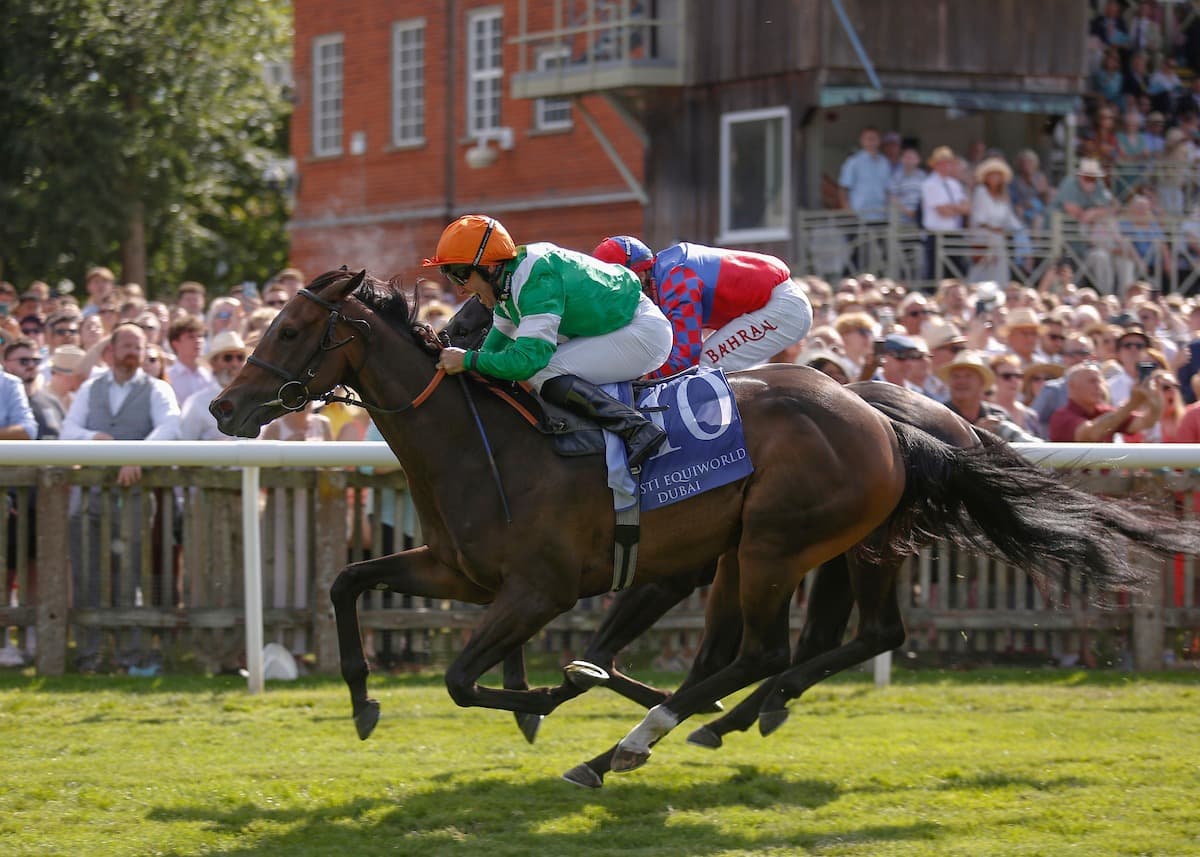
A filly that shapes like a Classic horse in the Falmouth usually does not need to win in spectacular fashion to make the point. What matters is the manner of the run: settling efficiently, changing gear smoothly, and finishing as though she has more to give. That is the sort of performance that naturally draws comparisons with names such as Field Of Gold or Desert Flower, the benchmark types Racing Post has already put into the conversation around this week’s meeting.
July Cup Day still sets the sprint standard
Saturday’s July Cup is the race that gives the festival its most famous finish. First run in 1876, it has a long and unmistakable sprinting heritage, beginning with Springfield winning the first two renewals. Ormonde won the race in 1887, and Sundridge completed three consecutive victories from 1902 to 1904, a run that still says plenty about the race’s status as a championship test.
The Jockey Club says many July Cup winners have gone on to be acknowledged as champion sprinters in Europe and later to stud, which explains why the race still matters so much to the wider industry. A horse that wins the July Cup with authority does more than collect a Group 1 prize. It stamps itself as a high-end sprinter with value that can extend well beyond one summer afternoon on the July Course.
The July Cup is also the final-day feature of the festival, which adds to its impact. By the time it arrives, the meeting has already built its storyline, and a commanding sprint performance can become the defining image of the whole week.
What a real 2026 Classic horse should show
This is where Newmarket becomes more than a stage and starts to feel like a filter. Racing Post’s July meeting coverage asks whether the next City Of Troy, Field Of Gold or Desert Flower might emerge here, and that is exactly the right question for a meeting with this kind of history and shape.
The horses that look most like genuine 2026 Classic material will show three clear signs. They will look efficient rather than frantic, which usually suggests there is more improvement to come. They will finish with enough authority to hint at stronger tests ahead. And they will do it in a race that suits the specific demands of the moment, whether that is the juvenile pressure of the July Stakes, the tactical class of the Falmouth, or the pure speed examination of the July Cup.
That mix is what makes the festival so useful as a watchlist. It is not just about identifying one winner on one day. It is about spotting the horses whose performances change the conversation, the ones that make the next Classic season feel as though it has already started at Newmarket.
This article was produced by Prism’s automated news system from verified source data, official records, and press releases, then run through automated quality and moderation checks before publishing. The system is built and supervised by the people who set the standards it runs under. Read our full AI policy.
Did this article answer your question?