Palmer blasts Chester over proposed sprint prize money as appalling
Palmer called Chester’s proposed sprint purse levels “disgraceful” and “appalling”, warning the five-furlong bonus will not do enough to protect field size before Glorious Goodwood.

Hugo Palmer has blasted Chester Racecourse’s proposed sprint prize money as “disgraceful” and “appalling”, saying the figures are too modest to keep five-furlong races competitive when summer alternatives such as Glorious Goodwood are looming. The dispute now cuts straight to the track’s on-course product: whether Chester’s sprint fields will hold up, whether betting depth will suffer, and whether trainers will send runners elsewhere for better value.
Palmer’s criticism lands awkwardly because Chester has been advertising record money. The racecourse said its 2024 prize fund would reach £3.275 million across 15 racedays, a 17% rise on 2023, with more than £1.3 million available across the Boodles May Festival from Wednesday, May 8 to Friday, May 10. Even so, the new draw-related bonus planned for five-furlong sprints has been seen as an attempt to deal with the track’s longstanding bias concerns rather than a major purse upgrade.
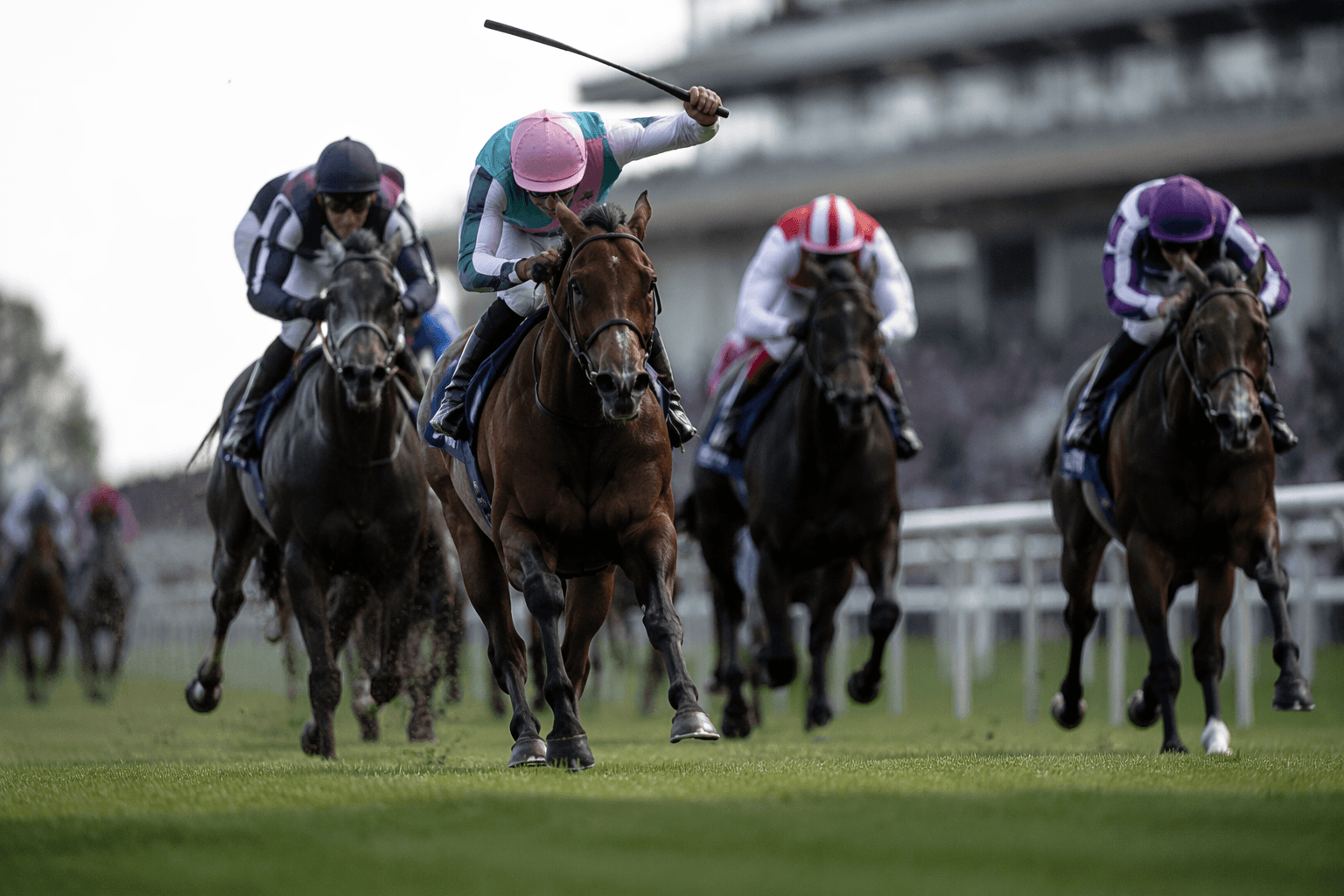
That matters at Chester more than at many other British venues. The Roodee’s tight, left-handed layout has long produced perceived draw bias, especially in short races, and the Chester Cup itself dates back to 1824. Palmer’s point is that minor incentive payments will not fully offset the tactical problems or persuade stronger sprint yards to keep turning up when deeper summer options are available.
The trainer is not speaking from the outside. He trains from Michael Owen’s Manor House Stables and has already won the Chester Cup with Zoffee, while his yard has also had notable recent success at the track. That gives his complaint extra weight in a city where Chester racing is still one of the most familiar fixed points on the flat calendar.
The broader issue is now familiar across smaller and mid-tier British tracks: prize money is being judged not just on headline totals, but on whether it genuinely improves race quality. Chester’s figures are up sharply, but Palmer’s intervention suggests that, in practice, horsemen are asking a simpler question: will the money attract better fields and better betting races, or will runners drift toward meetings that pay more and ask less of them?
This article was produced by Prism’s automated news system from verified source data, official records, and press releases, then run through automated quality and moderation checks before publishing. The system is built and supervised by the people who set the standards it runs under. Read our full AI policy.
Did this article answer your question?