Poor air quality forces Woodbine, Delaware Park to add makeup cards
Woodbine and Delaware Park both lost July 17 cards to wildfire smoke, then added July 20 and July 21 makeups to keep the summer schedule moving.
Poor air quality wiped out Woodbine’s and Delaware Park’s July 17 cards, and both tracks moved quickly to patch the calendar: Woodbine added racing on July 20, while Delaware Park added a makeup card on July 21. Charles Town also canceled the same day, and Colonial Downs was forced off the schedule as smoke-driven conditions spread across the region.
The disruption was tied to wildfire smoke from northern Ontario, which drove particulate matter to dangerous levels in Ontario and far beyond. Environment Canada’s air-quality index for Toronto was listed as high-risk and was expected to remain high-risk or very-high-risk through Friday, making the decision to call off racing a practical one for horsemen and track management, not a discretionary one. When the air turns unsafe, the cost lands immediately on the day-to-day rhythm of the sport: trainers have to reset workouts, horsemen lose a live racing date, and bettors lose a full wagering menu.
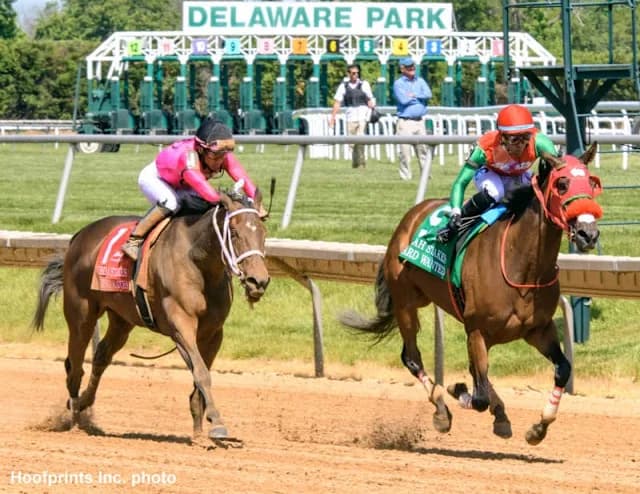
Delaware Park kept the response clean and specific. Its cancellation notice said the live racing card was transferred in its entirety to Tuesday, and the track said live racing was scheduled to resume Saturday, July 18, with first post at 12:20 p.m. Equibase’s chart for the canceled Delaware card marked Race 2 as “Cancelled - Weather,” a small notation that still captures the larger problem when a meet gets derailed by conditions no one can control.
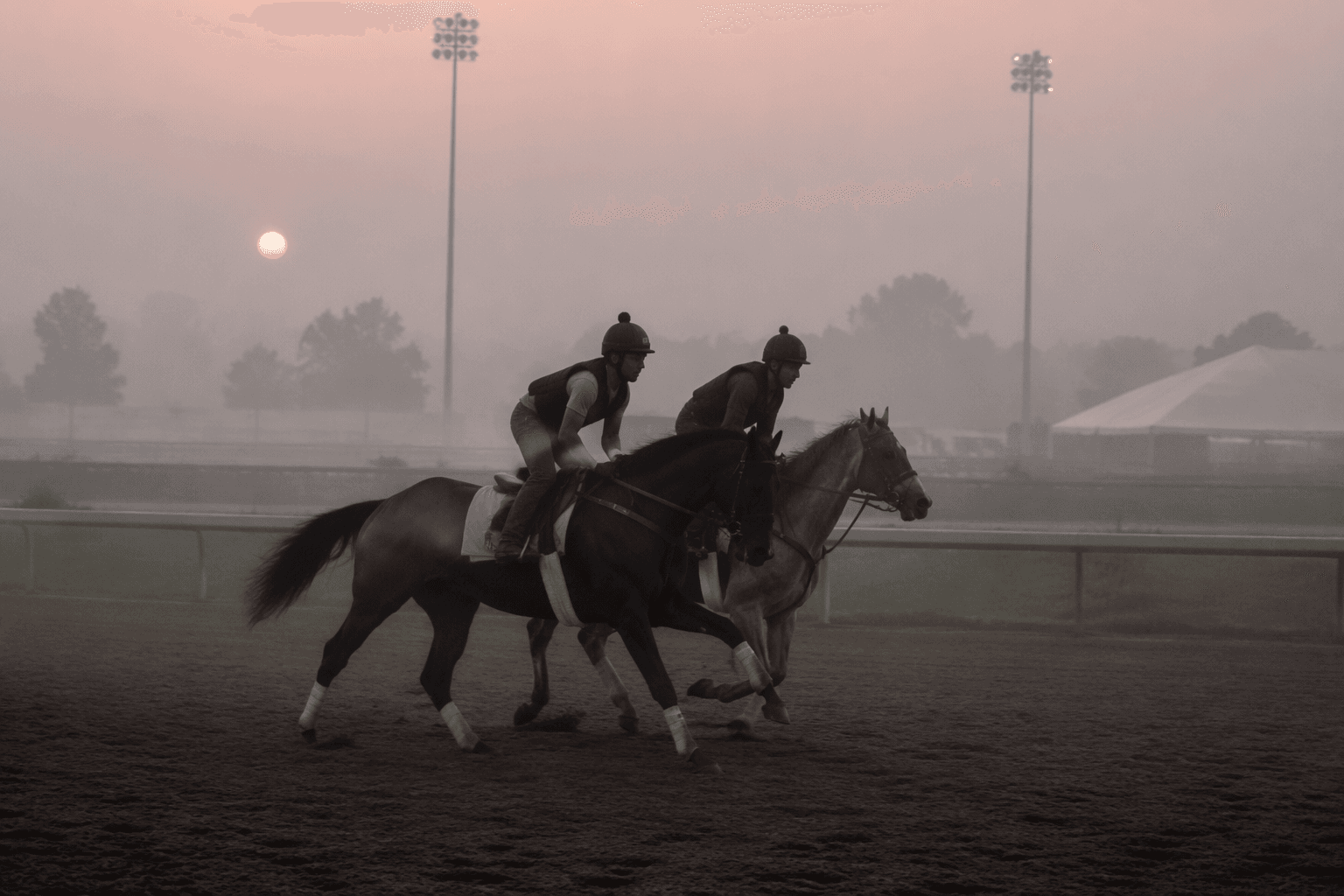
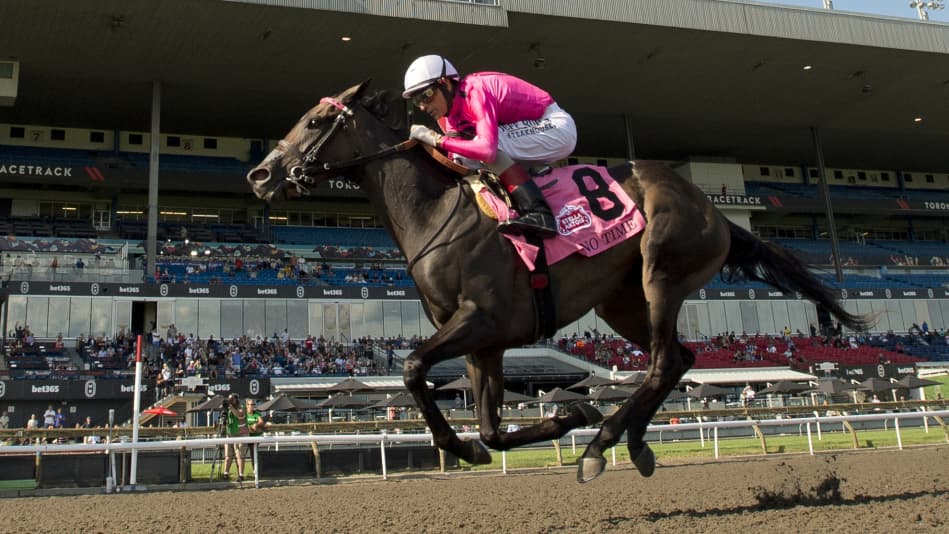
For Woodbine, the July 20 makeup matters because it keeps the Toronto meet from losing momentum in the middle of the summer stretch. For Delaware Park, the July 21 date serves the same purpose in Wilmington, preserving continuity for horse populations that are built around regular spacing between starts. The faster a track can replace a lost date, the less damage it does to form cycles, shipping plans, and the wagering product that depends on a steady stream of live races.
Charles Town’s cancellation carried its own weight as one of the track’s long-running summer fixtures. The West Virginia oval opened in December 1933 as the Shenandoah Valley Jockey Club, and even a one-day interruption shows how quickly a packed racing calendar can be knocked off course when smoke and particulate levels rise.
This article was produced by Prism’s automated news system from verified source data, official records, and press releases, then run through automated quality and moderation checks before publishing. The system is built and supervised by the people who set the standards it runs under. Read our full AI policy.
Did this article answer your question?