Purses edge up in U.S. racing as handle continues to fall
U.S. racing’s first half of 2026 split in two: available purses rose to $596.8 million even as wagering kept sliding, a mismatch that reshapes the summer.
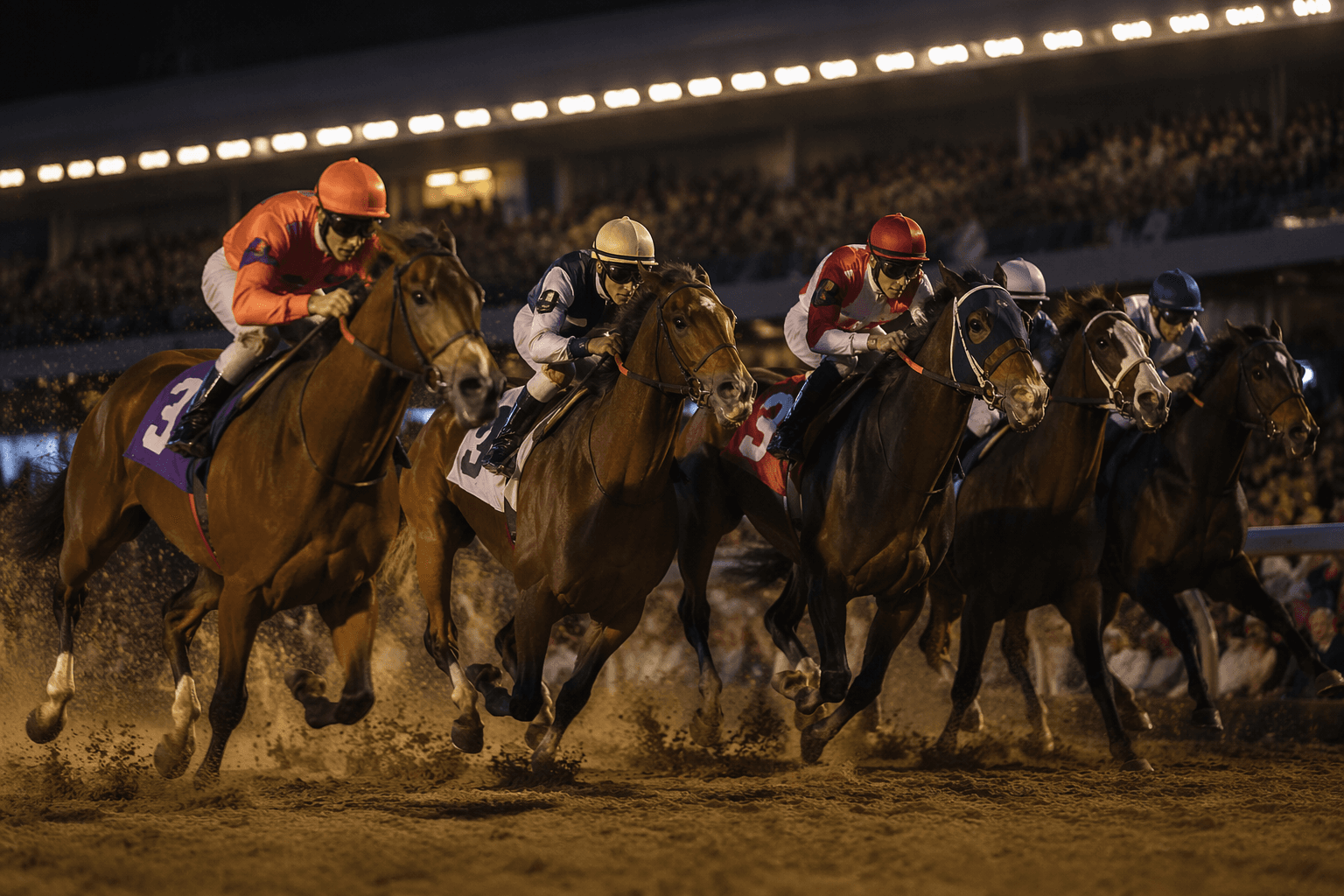
Available purses in U.S. Thoroughbred racing climbed to $596,752,259 in the first half of 2026, up 1.24% from the same stretch a year earlier, even as wagering kept moving the other way. Paid purses also rose, reaching $570,041,711, a 1.41% gain that tells horsemen the money is still getting to the backstretch even while the betting pools soften.
The catch is volume. Race days fell 2.16% to 1,675 and total races dropped 2.16% to 13,869, so the purse gains were spread across fewer cards and fewer chances to earn. The average available purse per race day rose 3.47% to $356,270, a number that matters because it shows the sport is not just holding the line, it is concentrating more money into each day that gets run.
That is the contradiction horseplayers, owners and track operators need to read correctly. Handle is still the industry’s core engine, and that engine is running hotter on the downside than the purse figures alone would suggest. But purses are not simply tracking wagering lower. They are holding up, which implies the sport is leaning on something beyond pari-mutuel churn to keep prize money from slipping in lockstep with betting.
The second quarter followed the same pattern. Wagering on U.S. races fell 2.54%, while purses paid rose 3.7%. June was even clearer: handle declined 4.70% year over year to $911,860,943 from $956,841,252, while both available purses and paid purses increased from June 2025. That is the kind of split that can keep fields together in the short term, but it also raises the question of how long the support can outlast the betting slide.
The 2026 gains also come after a softer baseline. Full-year 2025 purses had already fallen 2.4% to roughly $1.28 billion, so the first-half bump in 2026 reads less like a boom than a stabilization. For horsemen, that steadier purse line still matters when mapping campaigns. For tracks, the weaker handle is the warning sign. And for bettors, the field quality question sits right in the middle of it all: if purses can stay up while wagering keeps shrinking, the sport may preserve its races for now, but not without testing the durability of the model underneath them.
This article was produced by Prism’s automated news system from verified source data, official records, and press releases, then run through automated quality and moderation checks before publishing. The system is built and supervised by the people who set the standards it runs under. Read our full AI policy.
Did this article answer your question?