Triple Crown explained, why the Belmont Stakes is so decisive
Three races, five weeks, one impossible sweep: the Belmont stretches a Derby winner past the point where speed alone stops working.
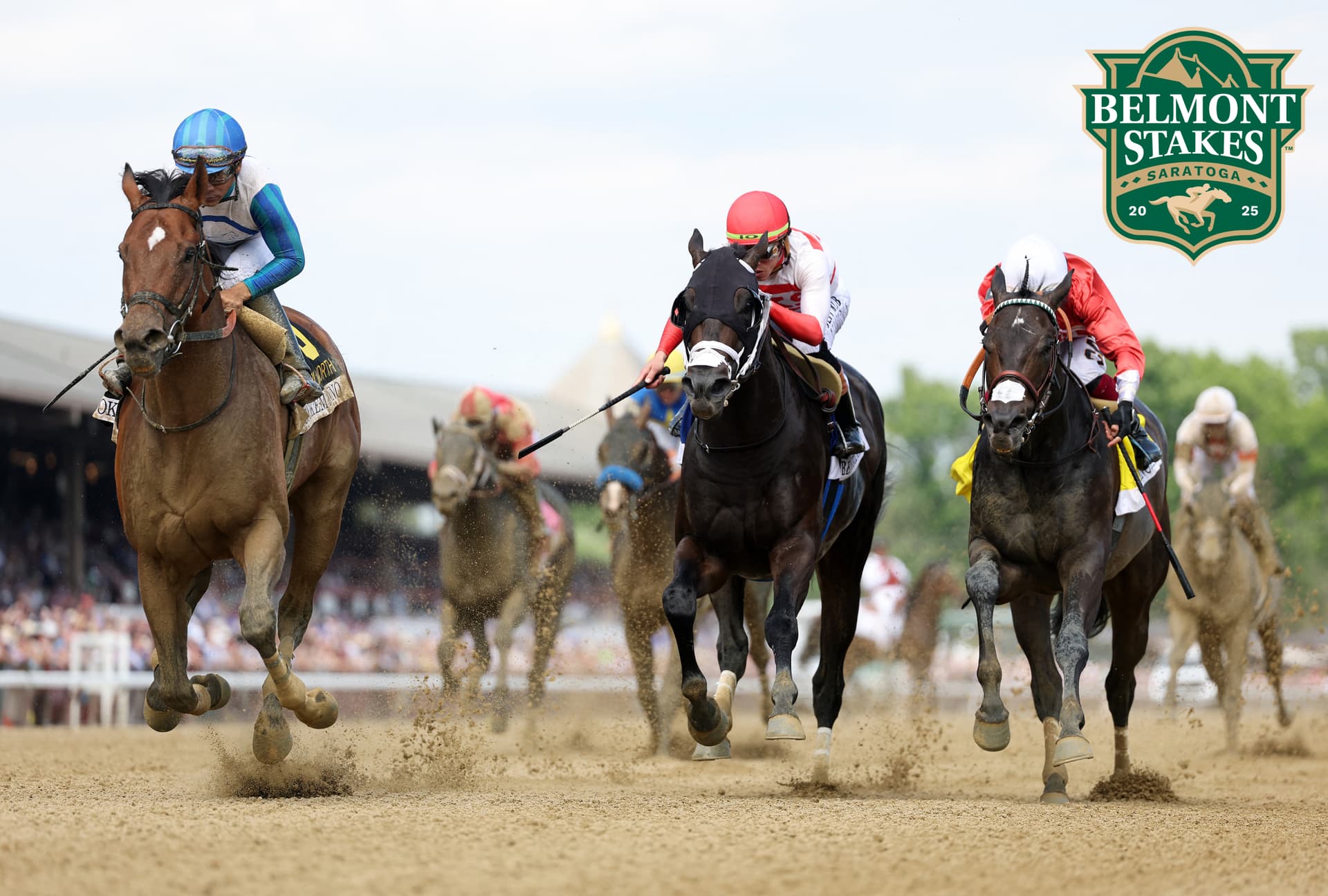
The Triple Crown is racing’s cleanest stress test because it turns one horse into a season-long story. A three-year-old Thoroughbred has to survive the Kentucky Derby, the Preakness Stakes, and the Belmont Stakes in May and early June, with only two weeks between the Derby and Preakness and three more weeks before the Belmont.
Why the Triple Crown still matters
That schedule is the point. The races are not just separated by distance and geography, but by a clock that barely gives a champion time to recover before the next examination begins. Only 13 horses have completed the sweep: Sir Barton, Gallant Fox, Omaha, War Admiral, Whirlaway, Count Fleet, Assault, Citation, Secretariat, Seattle Slew, Affirmed, American Pharoah, and Justify.
The term itself took hold in the 1930s, when Daily Racing Form columnist Charles Hatton helped popularize “Triple Crown” while Gallant Fox was running through the three races. By then, owners and trainers were already starting to treat the Derby, Preakness, and Belmont as one campaign instead of three separate trophies, which is why the title still feels bigger than any single race.
The Belmont is where the sweep usually breaks
If the Derby is the first trap and the Preakness is the second, the Belmont is the one that exposes everything. It is the oldest of the three races, first run on June 19, 1867, nine years before the Kentucky Derby and seven before the Preakness. The Belmont’s current 1 1/2-mile distance was established in 1927, but the race originally covered 1 5/8 miles and was run clockwise before switching to the counter-clockwise direction standard in American racing in 1921.
That history matters because Belmont does not ask the same question as the Derby. Speed gets you into the conversation; stamina, composure, and a rider who can keep a horse relaxed over a long trip decide whether the horse finishes the job. The Belmont Stakes calls itself the “Test of the Champion,” and that is not branding fluff. It is a warning label for a race that has ended more Triple Crown bids than it has celebrated.

The first Belmont winner was the filly Ruthless, and the race has remained a marker for the sport’s hardest final exam. Belmont Stakes history identifies it as the oldest of the Triple Crown races and the fourth-oldest stakes race in North America, which helps explain why its weight inside the series is so much greater than its place on the calendar might suggest.
What the near-misses tell you
The easiest way to understand the Belmont’s leverage is to look at the races that came this close and still fell apart. California Chrome entered the 2014 Belmont after winning the Derby and Preakness, then finished fourth. That is the sort of result the race produces when a horse looks dominant early in the spring but cannot carry that form into the final leg.
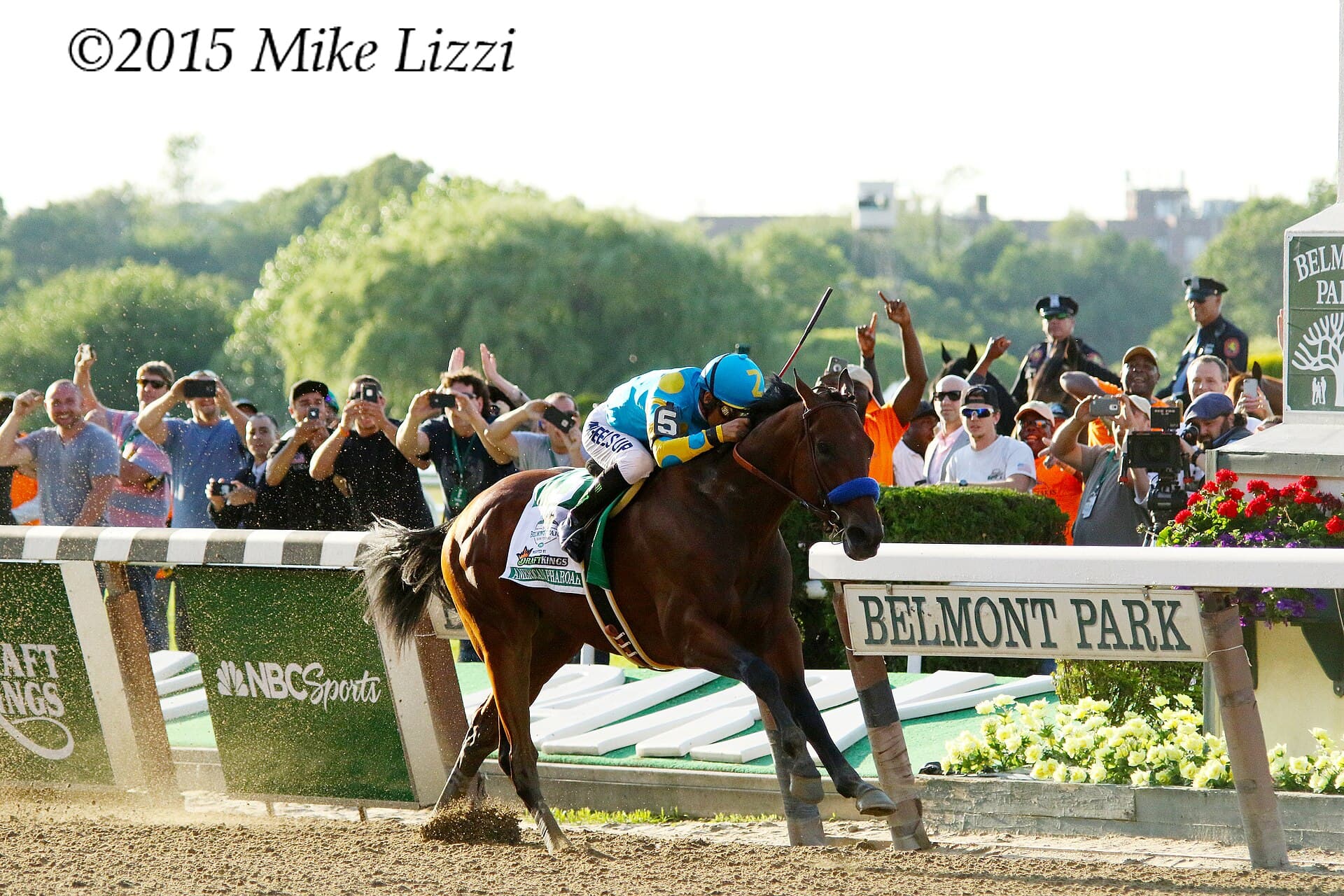
American Pharoah showed the other side of the equation in 2015. He won the Belmont by 5 1/2 lengths in 2:26.65 and ended a 37-year Triple Crown drought, the first sweep since Secretariat in 1973. That gap is the most honest argument against the idea that the Triple Crown is merely a famous tradition. If it were routine, the sport would not have gone nearly four decades without one.
The champions are not built the same way
The Triple Crown winners themselves prove there is no single blueprint. War Admiral won his sweep in a perfect 8-for-8 season, the kind of clean record that makes modern racing feel chaotic by comparison. Secretariat, the first 2-year-old Horse of the Year, added another layer of myth with a championship-season earnings total of $860,404. American Pharoah’s 2015 run brought the drought to an end with a Belmont that looked controlled from start to finish, while Justify joined the club after a far shorter public build than the old preps-and-paths mythology suggests.
That variety is the point. The Triple Crown is not a test of one style, one pedigree, or one training philosophy. It is a test of whether a horse can keep answering different questions while the pressure gets louder and the margins get thinner.
Why the series is harder than nostalgia makes it sound
The modern version of the Triple Crown is brutal because the spacing leaves almost no room for error. Two weeks after the Derby, a horse has to prove that the first race did not empty the tank. Three weeks later, that same horse has to go longer at Belmont than it has gone all spring. The sequence forces a three-year-old to handle quick turnaround, changing tracks, and the escalating distance curve all at once.
That is why the Belmont matters so much. It is not just the last jewel, it is the race that turns the whole series from a sprinting contest into a stamina audit. A horse can win at Churchill Downs, survive Pimlico, and still get exposed at Belmont Park when the distance stretches and the demands sharpen.
The Triple Crown’s wider history
The race also carries a broader history than the standard highlight reel gives it credit for. Belmont’s record includes Ed Brown, who became the first African American rider to win the Belmont Stakes in 1870 aboard Kingfisher. That fact belongs alongside the champions and the distances, because the series has always reflected more than breeding charts and stopwatch numbers.
The sport’s language changed too. Charles Hatton’s use of “Triple Crown” gave racing a single phrase for a three-race campaign that already carried enormous prestige, and it helped turn the Derby, Preakness, and Belmont into something closer to a national championship run. The result is a standard that still makes sense to casual fans and hard-core gamblers alike: three races, three weeks apart, three-year-olds only, and one final exam that usually decides whether the spring will be remembered as history or as another near-miss.
This article was produced by Prism’s automated news system from verified source data, official records, and press releases, then run through automated quality and moderation checks before publishing. The system is built and supervised by the people who set the standards it runs under. Read our full AI policy.
Did this article answer your question?