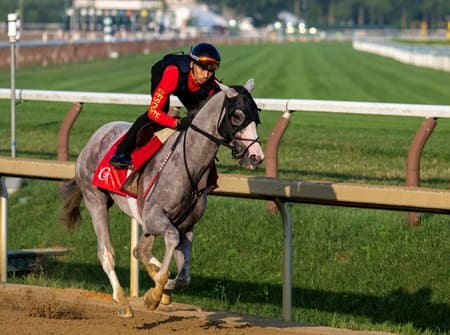
Woodbine cancels July 16 card due to Toronto air quality crisis
High-risk air in Toronto wiped out Woodbine’s July 16 card, and the smoke also forced Mohawk Park cancellations and qualifier changes across Ontario.
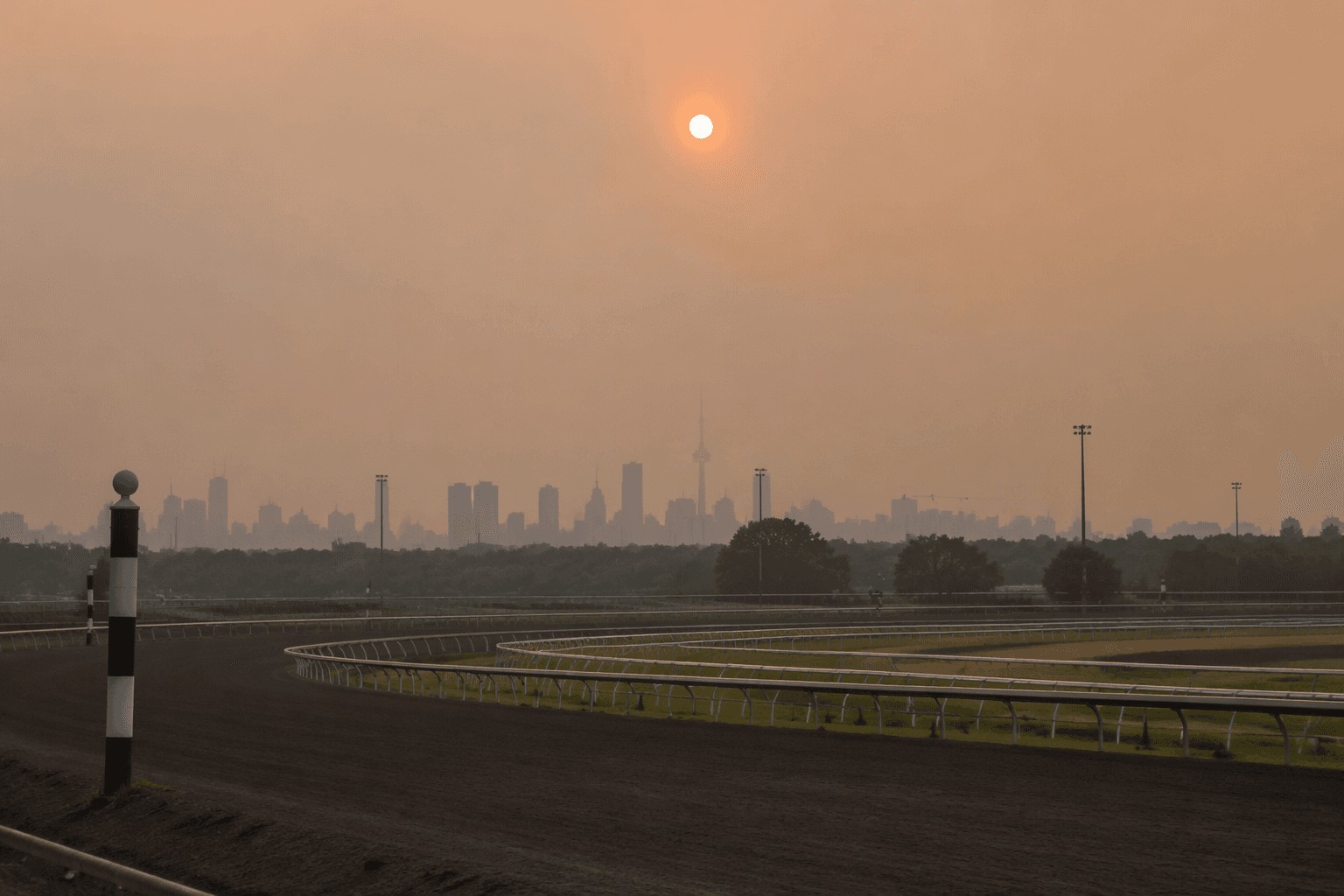
Woodbine Entertainment canceled its July 16 card in Toronto after air-quality readings reached a high-risk level, wiping out a full race-day program and forcing horsemen to reset plans on short notice. The decision landed with immediate consequences for bettors, trainers, and backstretch workers, because a cancelled card means no wagering menu, no live field to sort through, and no chance to run horses that had been pointed for that date.
Environment Canada's air quality index for Toronto deteriorated to high risk, prompting Woodbine to cancel the card in consultation with the Ontario Horsemen’s Benevolent and Protective Association and the Alcohol and Gaming Commission of Ontario. Poor air quality can make it harder for horses to breathe, complicate warm-ups, and raise the risk level for everyone on site, from the paddock to the grandstand.
For horsemen, the cancellation also meant changes to shipping and training schedules, with workouts and entry plans pushed back as the meet adjusted around the smoke. Race-day disruptions of this kind can ripple into the next available program, especially when barns have multiple horses scheduled to go and need to decide whether to wait, scratch, or find another spot.
Woodbine’s move was part of a wider response across Ontario as wildfire smoke continued to pressure racing operations. At Woodbine Mohawk Park in Milton, the Thursday, July 16 Standardbred card was also canceled because the local air quality index was listed as high risk. The track later moved Friday, July 17 qualifiers to Saturday, July 18 at 9 a.m. because of forecast poor air quality.
Ontario Racing canceled qualifiers, schoolers, and races because of poor air quality and wildfire smoke, with racing set to resume the next day.
This article was produced by Prism’s automated news system from verified source data, official records, and press releases, then run through automated quality and moderation checks before publishing. The system is built and supervised by the people who set the standards it runs under. Read our full AI policy.
Did this article answer your question?