BHA bans Deva Racing from Britain after prize money complaints
The BHA barred Deva Racing from Britain after complaints it failed to pay members thousands in prize money, freezing entries for a syndicate with Group 1 winners.
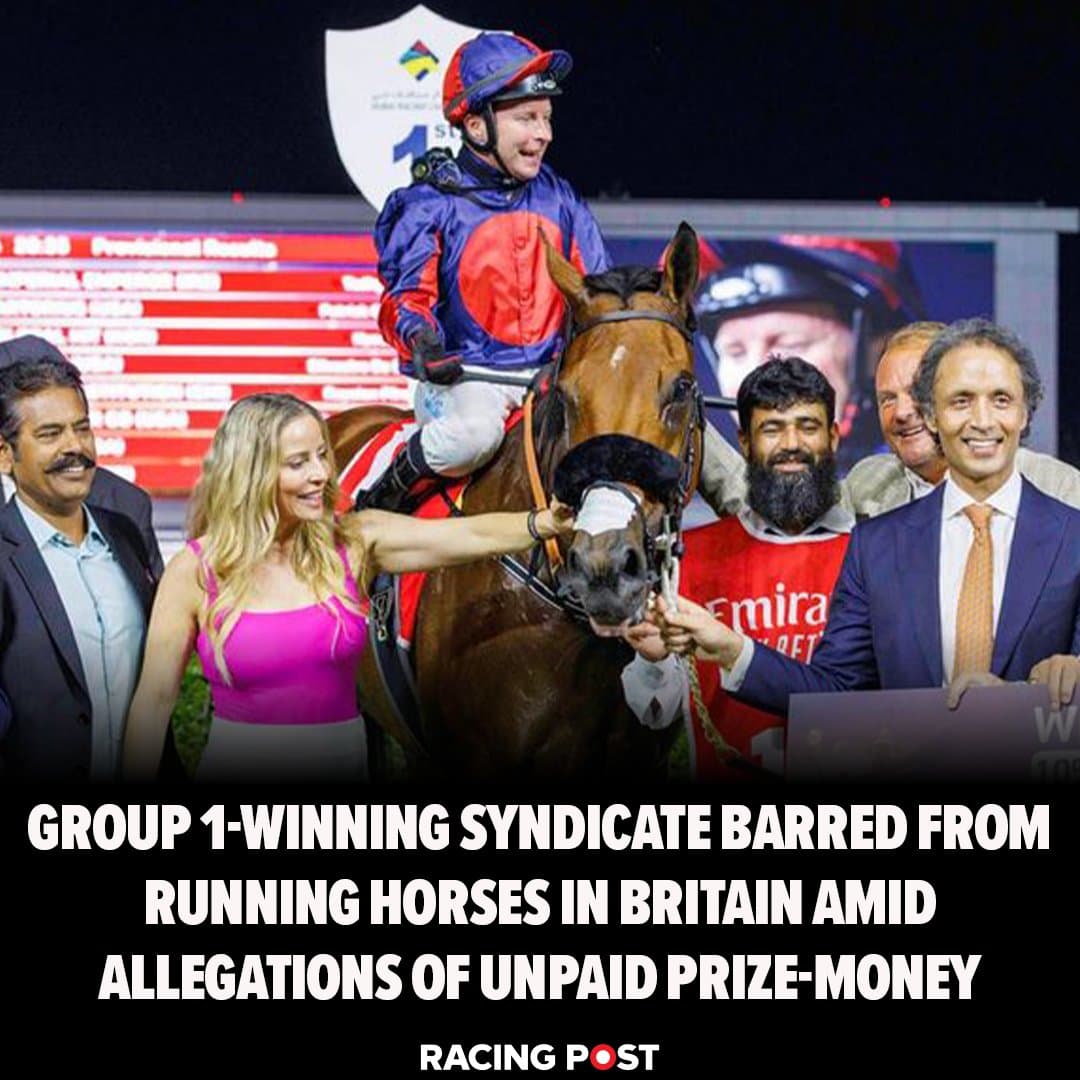
The British Horseracing Authority barred Deva Racing from running horses in Britain after complaints that the Group 1-winning syndicate failed to pay members thousands of pounds in prize money. The sanction went beyond a warning: no entries or declarations were allowed for Deva Racing horses in Britain, cutting off the syndicate’s access to the sport while the dispute over money and ownership was being enforced.
The case puts shared ownership under a hard spotlight because Deva Racing was not a small operation. The syndicate had a dozen horses in training across stables in Britain, the US and Dubai, and its flagship horse, Imperial Emperor, had won nearly £1.5 million in prize money. When a syndicate built around multiple owners is accused of withholding winnings, the issue is not just one runner or one racehorse. It is whether the people putting money into the model can trust the money trail once the checks start coming in.
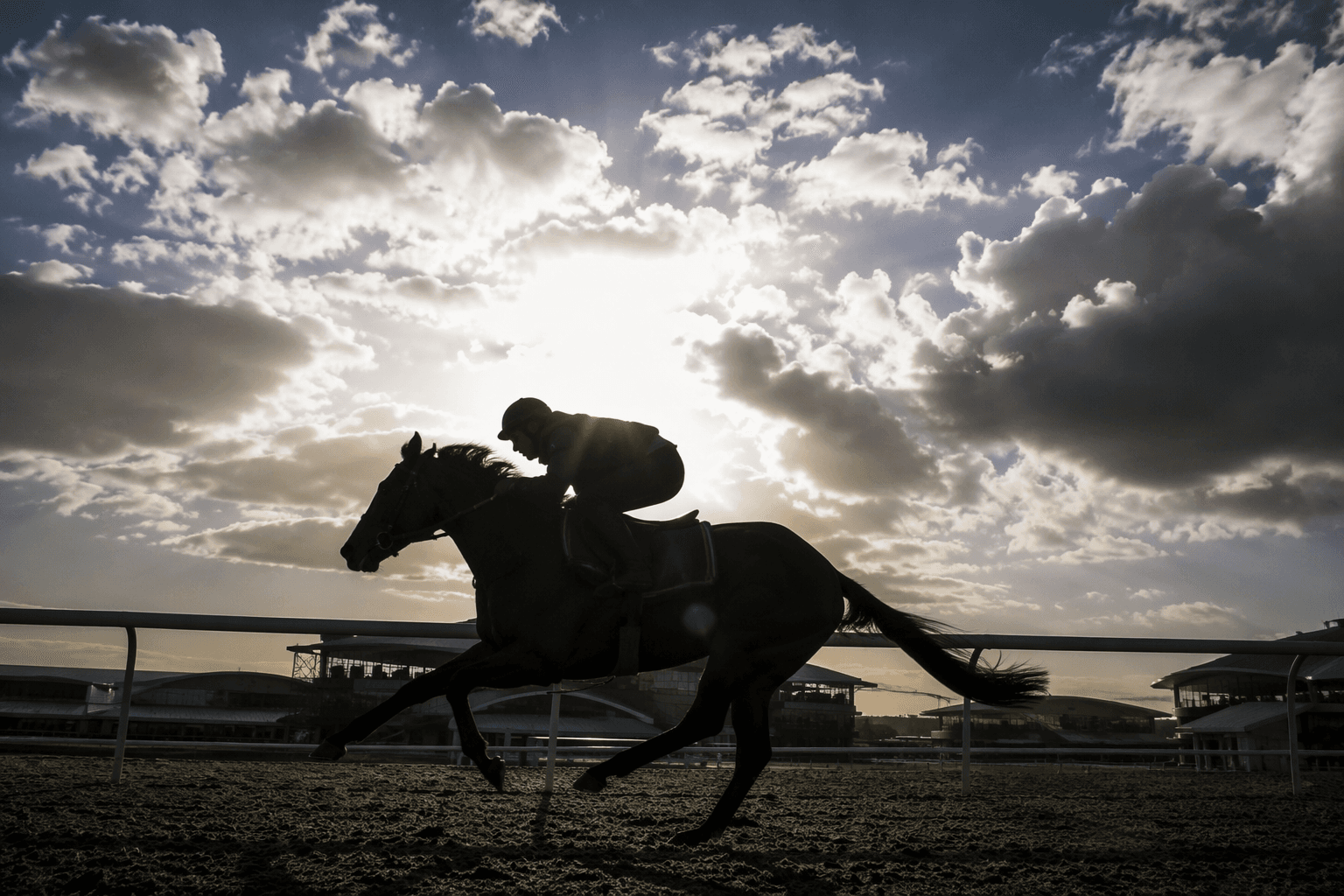
Ryan Tongue was named as Deva Racing’s director, and he had built a profile in the sport that stretched from humble beginnings to ownership. BBC News previously described how he started out serving tea to jockeys before later setting up Deva Racing management. Deva Racing’s own website also lists Tongue as director, tying the operation directly to the man now at the centre of the BHA action.
The punishment also fits a broader pattern in British racing’s policing of owners and syndicates. In another case, Phoenix Thoroughbreds had its racing accounts suspended and was barred from having British runners until further notice. That comparison matters because the BHA’s power is not limited to fines or public rebukes. It can lock an owner out of the entry box entirely, which is the sport’s clearest signal that governance failures have crossed the line into loss of licence to compete.
For Deva Racing, the immediate damage was practical as well as reputational. Horses already in work could not be entered or declared in Britain, and the complaints around unpaid prize money moved from private grumbling to a regulatory stop sign. In a sport that sells access through syndicates, the sanction asked a blunt question: if the prize money does not reach the members, what exactly is being owned?
This article was produced by Prism’s automated news system from verified source data, official records, and press releases, then run through automated quality and moderation checks before publishing. The system is built and supervised by the people who set the standards it runs under. Read our full AI policy.
Did this article answer your question?