Harness racing explained: pacers, trotters and the sulky's role
Harness racing is decided by gait, not just speed. The sulky, the Standardbred, and a single break in rhythm can turn a fast horse into a losing one.
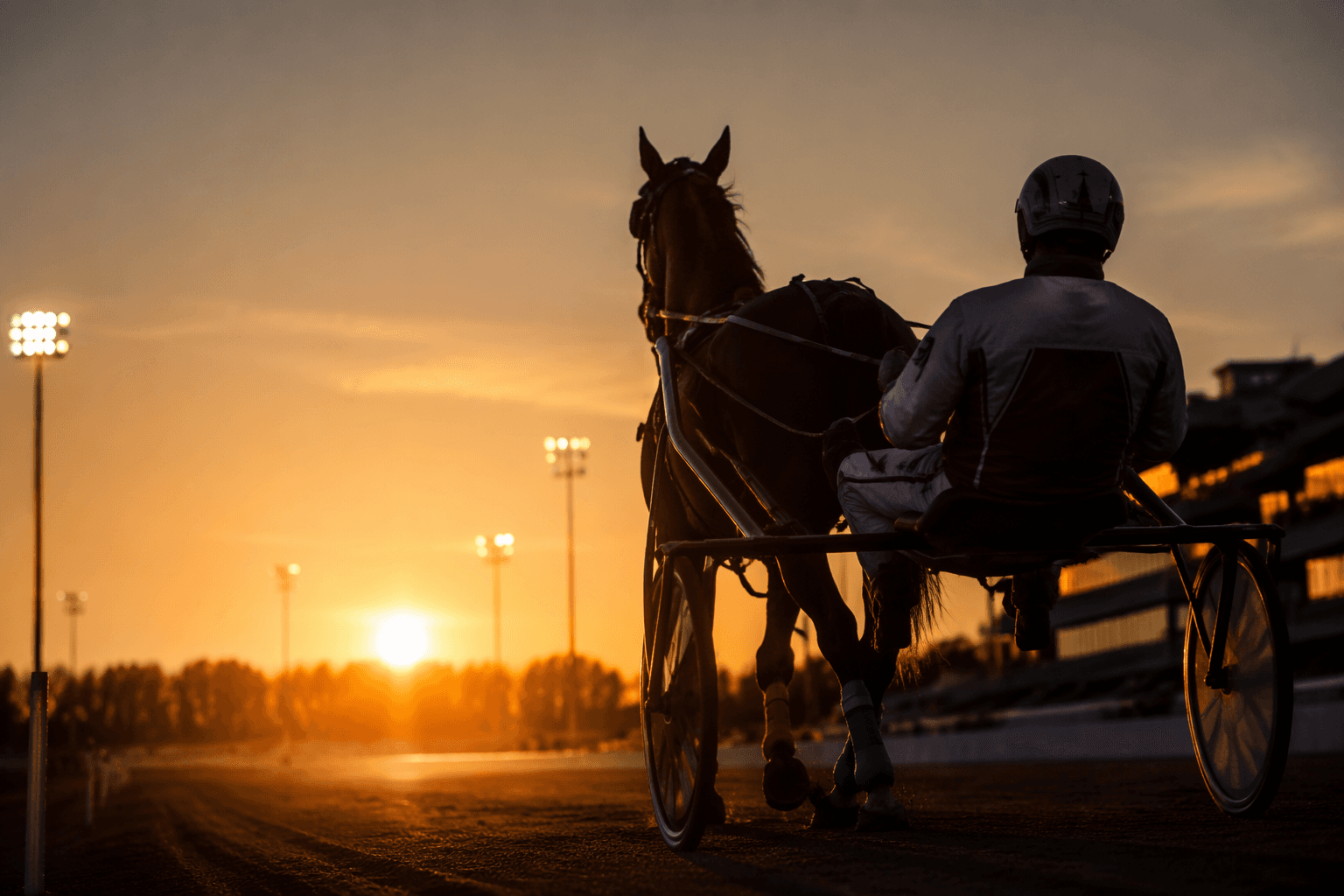
Harness racing looks familiar from a distance, but the contest at the rail is built on a different logic than Thoroughbred flat racing. The horse is not carrying a jockey, it is pulling a driver in a light two-wheeled sulky, and that shift changes everything from balance to tactics to the kind of speed that matters most. In this sport, staying in stride is as important as raw acceleration, which is why a horse that breaks gait can give up ground or even face disqualification depending on the rules in play.
Pacing and trotting are the sport’s real languages
The first thing to understand is what the horses are actually doing with their legs. Pacers move both legs on one side of the body together, while trotters move diagonal legs together. The University of California, Davis describes the trot as a two-beat diagonal gait and the pace as a two-beat lateral gait, and that distinction is the heart of harness racing rather than a technical footnote.
What viewers see on track is different enough to matter immediately. A pacer often appears smoother and flatter in motion, while a trotter has a more upright, bouncing rhythm because the diagonal pair hits together. In flat racing, the question is whether the horse can carry a long, efficient stride under a mounted rider; in harness racing, the question is whether the horse can stay in its designated gait while still moving fast enough to win.
Why the sulky is central, not incidental
The sulky is not just equipment bolted onto the sport, it is the frame that defines it. Encyclopaedia Britannica describes it as a light, narrow, two-wheeled vehicle used in harness racing and carriage driving, and its purpose is to reduce drag while allowing speed. That low-drag design is one reason the driver sits so close to the ground and why the horse’s rhythm and balance are so visible from the grandstand.
Sterling Elliott’s role in the modern look of the sulky shows how the sport absorbed outside technology. The Harness Racing Museum & Hall of Fame says he adapted the bicycle technology he had developed into the sulkies used for harness racing, helping make the racing vehicle lighter and more efficient. That matters tactically because a lighter, faster, lower-drag setup lets the horse do the driving work while the person behind it focuses on pace judgment, positioning and timing.
Breaking gait is decisive because the race is built around discipline
Harness racing punishes rhythm errors in a way flat racing simply does not. Pennsylvania and Ontario racing rules treat breaking from gait as a specific rules violation, and some jurisdictions require the driver to try to restore the horse to its proper gait immediately. That means a single misstep can become more than a bad moment, it can become a race-changing infraction.
For the fan, the key is to watch how pressure changes the horse’s stride. A driver may ask for more speed, try to move through traffic or angle for the lead, but any of those decisions can upset the horse’s footing and turn a clean trot or pace into a break. Standardbred Canada’s terminology guide makes clear why the sport can look deceptively calm: a horse boxed in on the rail or forced to check its stride can lose major ground even if it has more raw talent than the leaders.
That is the deepest difference from flat racing. A Thoroughbred can surge by lengthening its stride, while a Standardbred in harness must accelerate without losing the gait that makes the race legal. The driver is not simply steering, but managing the horse’s tempo like a mechanic guarding an engine’s ideal rev range.
The Standardbred gives the sport its identity
The principal breed in harness racing is the Standardbred, selected for speed and gait consistency. Encyclopaedia Britannica ties the breed directly to harness racing, and the Harness Racing Museum notes that it developed as a distinct breed through selection for harness ability, including the ability to remain at the trot or pace at speed. That breeding history is why harness racing is not just another form of horse racing, but a separate athletic test with its own genetic priorities.
The sport’s great names reinforce that identity. The Harness Racing Museum identifies Hambletonian as a central name in trotting history, and that link runs through the Hambletonian Stakes, one of the defining races for trotters. Those bloodlines and signature races help explain why harness racing has its own championship culture, separate from the Derby-and-Breeders’ Cup world that dominates flat racing headlines.
The business of lights, wagering and a different entertainment model
Harness racing also developed its own commercial engine. Batavia Downs in New York says big-time pari-mutuel harness racing under the lights began there on September 20, 1939, and that the format altered the fortunes of the city and its Standardbred economy. Racing at night widened the sport’s entertainment appeal, turning harness racing into a package that fit after-work crowds and betting windows as well as the traditional daytime track audience.
The wagering figures show that the sport still has economic gravity in some markets. Standardbred Canada reported total pari-mutuel wagering on Canadian harness racing of more than $646.3 million in 2023. That is a reminder that harness racing is not only a breeding and performance culture, but also a betting product with its own fan base, track network and business cycle across Canada and parts of the United States.
Why harness racing is its own test of skill
The sport’s appeal comes from the collision of mechanics, timing and nerve. A driver has to read the track, protect the horse’s gait, find room through traffic and know when to push without causing a break. Flat racing rewards athletic speed under saddle; harness racing demands speed under restraint, with the sulky, the gait and the rules all shaping the outcome.
That is why a harness race is best understood on its own terms. The horse is not just running, it is maintaining a legal, efficient pattern of motion while hauling a driver in a machine designed to minimize drag. Once that difference clicks, pacers, trotters and the sulky stop looking like a niche variation on flat racing and start looking like a distinct, highly technical sport with its own standards of excellence.
This article was produced by Prism’s automated news system from verified source data, official records, and press releases, then run through automated quality and moderation checks before publishing. The system is built and supervised by the people who set the standards it runs under. Read our full AI policy.
Did this article answer your question?