Horse racing’s pari-mutuel betting explained, how pools set payouts
Pari-mutuel betting turns every ticket into a piece of the pool, so late money, takeout and field size decide what a race pays, not a fixed line.
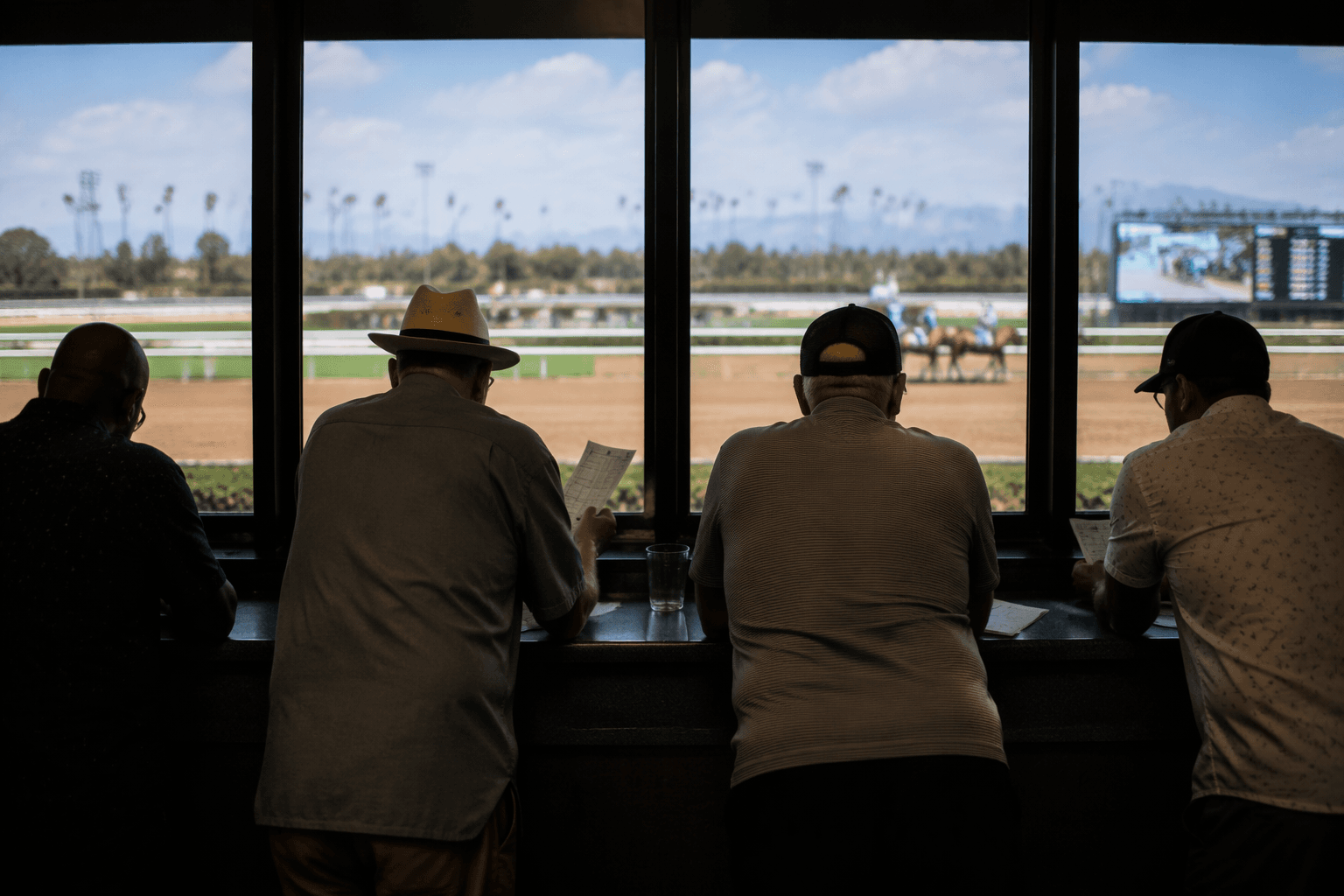
Every wager of the same type in a horse race goes into one common pool. Instead of betting against the house, you are buying a slice of the race’s pool, then waiting for the pool to be settled after the last horse leaves the gate.
How the pool works
Pari-mutuel means “betting among ourselves.” The track removes a percentage as takeout, and the rest is paid back to the winning tickets. That is why the track is not the other side of your bet the way a bookmaker is in football or basketball.
A ticket is a share in the race’s result. When you buy a $2 ticket on a horse, you are, in effect, buying one share in that horse’s performance, and the payout depends on how much money the rest of the pool put on the same outcome. The track acts as the broker for the transaction, deducts a commission fixed by the state, and shares that commission with the state and horsemen.
A simple race, step by step
Think of a small six-horse race with a win pool as the cleanest example. You bet $2 on Horse 4 to win, and so do a lot of other players on different runners. The money from all those win tickets sits in the same pot until the race is official, then the takeout comes off the top and the remaining money is divided among everyone holding a ticket on the winner.
The amount you collect is not set when you wager. If Horse 4 ends up taking 60 percent of the win money, the payoff will be much smaller than if it had only attracted 10 percent of the pool. A heavy favorite can win and still return a payout that feels small because so many other bettors were on the same horse.
Why odds keep moving after you bet
Horse racing odds are live, which is why a price can look appealing at one minute and disappear the next. The odds are not locked in when the wager is placed; they keep changing until the race begins. Every new dollar in the pool can alter the projected return, so a horse that looked like 5-1 in the morning can drift to 3-1 or tighten to even-money by post time.
That movement is part of the game, not a glitch. If money pours in on a contender late, the payout shortens because the pool is being divided among more winning tickets if that horse gets the job done. If the wagering shifts toward a rival, the first horse can become more attractive on the board even though nothing about the horse itself has changed.
Late-odds volatility can calm down or whip around depending on the day’s wagering pattern. The odds you see before loading up the bet slip are a snapshot, not a promise.
Win, place, show, and the exotic pools
The bet menu is where horse racing becomes both simple and complicated. Straight wagers are the easiest to understand: win pays if your horse finishes first, place pays if it finishes first or second, and show pays if it finishes first, second, or third. Those bets are still pooled, still subject to takeout, and still priced by the crowd rather than by a fixed line.
Exotic wagers raise the difficulty and, sometimes, the payoff. Exactas require the top two finishers in the correct order, trifectas require the first three, superfectas the first four, and multi-race sequences ask you to connect winners across several races. The strategy is not only about picking the most likely horse, but about deciding which pool gives you the best risk-reward combination and where the money on the board creates value.
A horse can be the favorite to win, yet still be a bad bargain in a particular pool if the crowd has overbet it. Sharp players spend as much time reading pool size and takeout as they do studying pace and form, because the pool structure determines whether a ticket is worth the risk.
Why payouts are not fixed like sportsbook lines
The clearest way to understand pari-mutuel wagering is to stop thinking like a point-spread bettor. In a sportsbook, the book sets the price, you accept it, and the line is fixed when the wager is made. In horse racing, the track is acting as a broker, not an opposing bettor, so the payout comes from the pooled money of everyone else playing that race.
At Laurel Park, the commission is fixed by the state, not by whether the winner is a favorite or a longshot, which means the house’s cut is taken before bettors split the rest. A strong favorite does not change the track’s takeout; it only changes how much of the remaining money has to be divided among winning tickets.
The law and the history behind the pools
Congress introduced the Interstate Horseracing Act of 1978 as Senate bill S.1185 in the 95th Congress and passed it to regulate interstate commerce with respect to pari-mutuel wagering on horse races. The U.S. Code still contains Chapter 57, titled “Interstate Horseracing.”
Minnesota authorized pari-mutuel betting on horse racing by constitutional amendment in 1982, enacted implementing legislation in 1983, and opened Canterbury Downs near Shakopee in 1985 as the state’s first pari-mutuel racetrack.
The modern debate over fairness and late money
The biggest arguments around pari-mutuel wagering today are not about what it is, but about who moves it. NYRA has been seeing reduced volatility in late odds changes, while David Portnoy believes pari-mutuel pools have been hurt by computer-assisted wagering and planned to stop betting on horse races aside from one pool.
This article was produced by Prism’s automated news system from verified source data, official records, and press releases, then run through automated quality and moderation checks before publishing. The system is built and supervised by the people who set the standards it runs under. Read our full AI policy.
Did this article answer your question?