How horse racing judges decide finishes by the nose
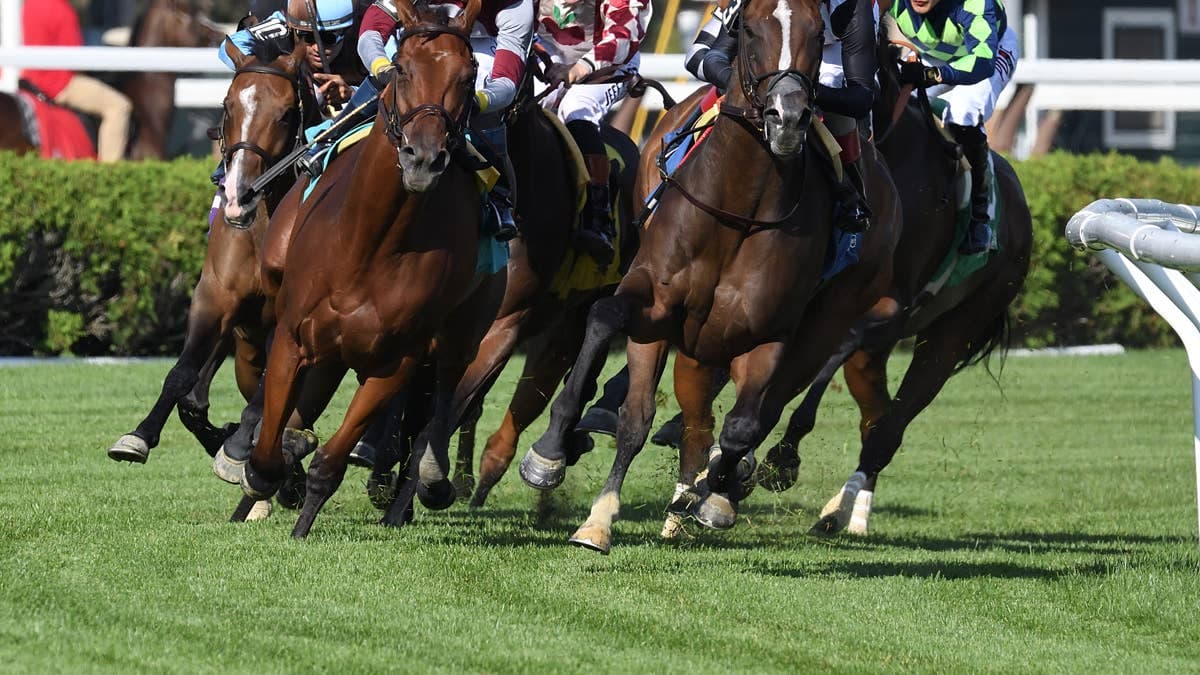
A nose can decide the purse, but only after placing judges, the photo finish, and stewards line up on the same finish. The board can flash a call before the official order is locked.
Viewers sometimes see a horse in the winner’s circle before the order of finish is officially locked, and a tote board can show a winner before the result is fully settled. In horse racing, the final margin can be measured in a nose, not a visible gap.
What judges are actually deciding
Ontario Alcohol and Gaming Commission’s Thoroughbred Rule Chapter 18 sets out the logic. When the horses pass the winning post, one or more placing judges take their positions on the placing judges’ stand and place every horse in order of finish. The rule makes the key point plain: in deciding places at the finish, the judges consider only the relative position of the horses’ noses.
That means the eye-catching details fans often argue about in real time, such as a jockey’s lean, a horse’s stride, or a saddlecloth appearing first on a broadcast shot, do not control the call. The nose is the reference point, and that narrow standard is what turns a dead-heat scare or a nose victory into an official placing.
The finish-line sequence fans should watch
Here is the sequence as it unfolds at a tight finish:
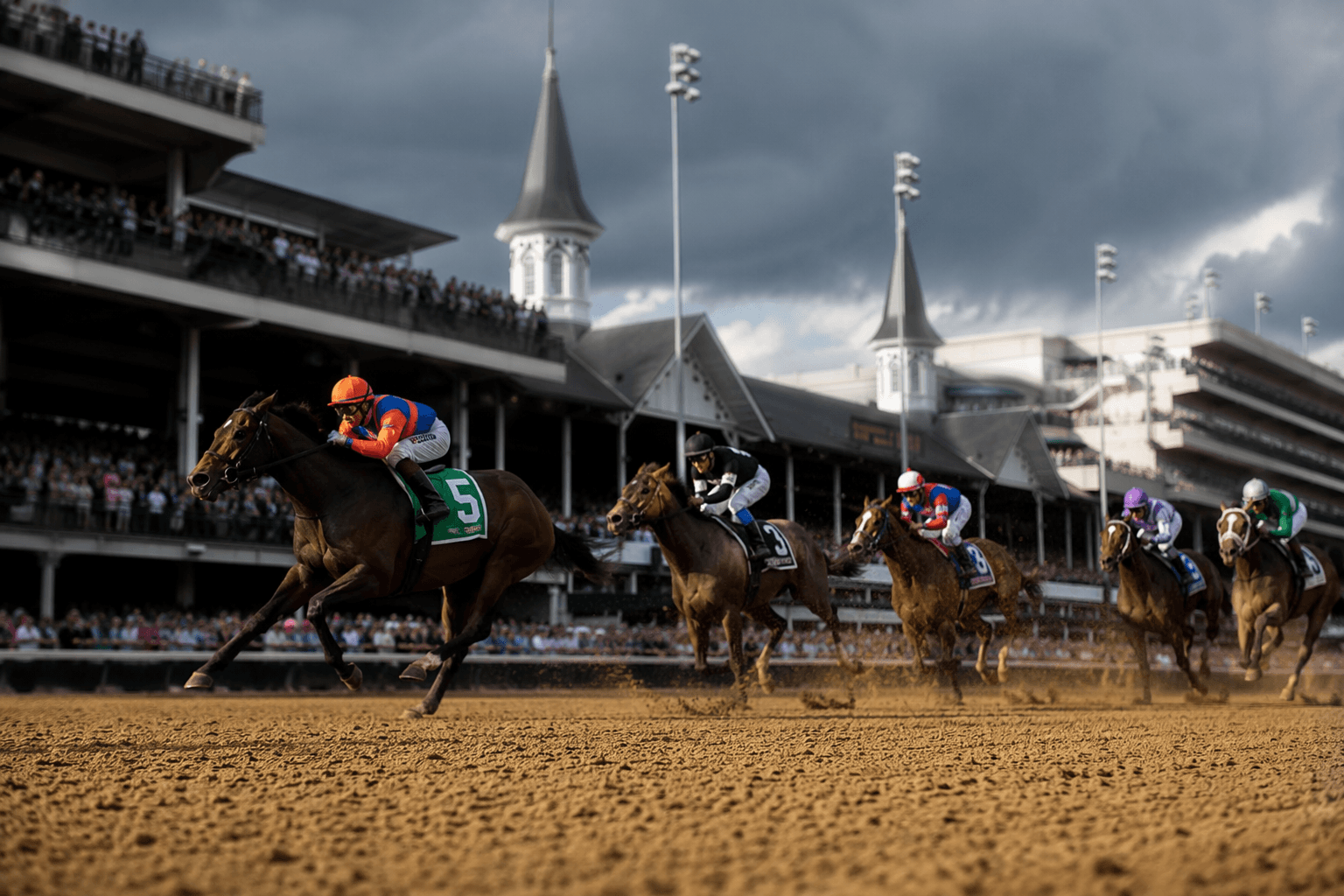
1. The field hits the winning post, and the placing judges judge the finish from the stand while the photo finish camera captures the line.
2. The judges display the numbers of the first four horses in order of finish and record the fifth placing, which is why a board may appear to settle quickly even when the margins are razor thin.
3. If the finish is too close for the naked eye, the photo finish image becomes the deciding tool.
The image gives officials a frame-by-frame or strip-style record that can separate horses by inches, or less.
4. The result remains provisional until the judges and, when needed, stewards are satisfied that the finish order is correct.
That is the moment when an apparent winner can still change.
For race-day viewers, the first call is unofficial until the placing judges have their image and any steward review is complete. In Ontario, stewards can weigh any close or disputed matter under the rules, and their decision turns a tense finish into a final one. If the image cannot separate the horses, a dead heat is still possible.
Why photo finish exists at all
The technology was not invented because horse racing needed drama. It was built because the human eye could not always do the job. In a 1937 National Bureau of Standards paper, Irvine C. Gardner wrote that cameras had generally been installed at race tracks to automatically photograph finishes, and that photographs could be used when visual observation was not enough to place horses.
The same paper shows that skepticism has always followed the technology. Gardner noted that there had already been criticism of the camera and questions about the accuracy of the pictures obtained.
From Epsom to Newmarket, the photo finish became part of racing history
RaceTech traces its origins to the Race Finish Recording Company in 1946 after a Jockey Club investigation into how photography could be used to judge horse races. It dates photo finish to the 1947 Flat season, with the first official use in Britain at the Great Metropolitan Handicap at Epsom on 22 April 1947.
RaceTech and Racing TV date the first photo-finish decision in a Classic race to the 1949 Two Thousand Guineas at Newmarket. The Epsom & Ewell History Explorer records another example: the 1962 Oaks at Epsom, won by Monade over West Side Story by the narrowest of margins, was settled with a photo finish print.
Modern systems are faster, sharper, and still human
The British Horseracing Authority calls its judging team’s setup the most advanced photo-finish system in the world. In a 30 July 2024 video, the BHA showed a single mirror with two cameras capturing the image, with the finish picture printed immediately on site and also made available digitally.
The judge works with the photo-finish operator, and the BHA introduced new cameras to deliver a major upgrade to photo-finish images on British racecourses. Jane Green was the first female judge of the Oaks at Epsom in 245 years.
Why errors and corrections matter to everyone betting the race
At Kempton Park, a photo-finish error initially called Bird For Life the winner over Oregon Gift. The call was later corrected.
A close finish can change in the gap between a provisional signal and an official order because stewards may review the image, correct a misread, or settle an inquiry before the result is finalized. That is also why the board, the announcer, and the winner’s circle can momentarily seem out of sync with what the crowd thinks it saw.
This article was produced by Prism’s automated news system from verified source data, official records, and press releases, then run through automated quality and moderation checks before publishing. The system is built and supervised by the people who set the standards it runs under. Read our full AI policy.
Did this article answer your question?