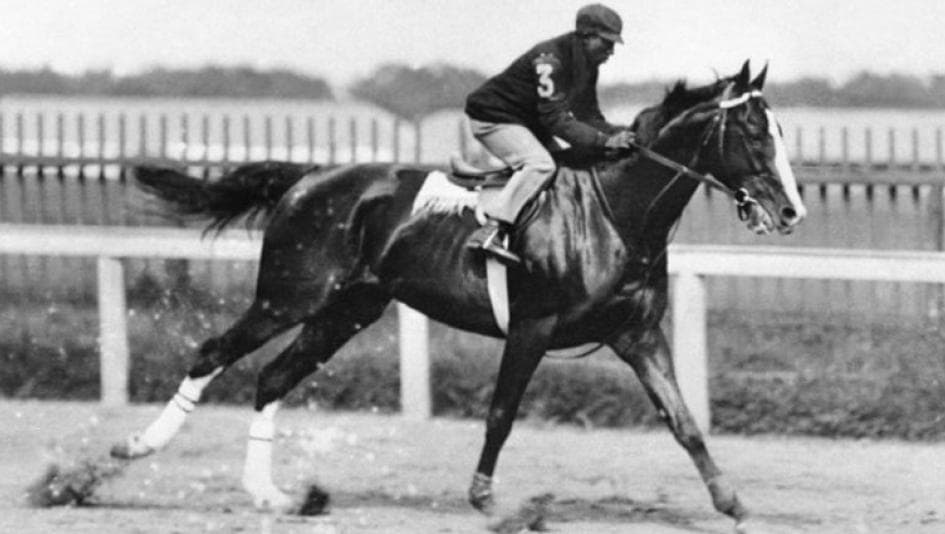
How steeplechase and hurdle racing differ in horse racing
Steeplechase asks for stamina and bold jumping, while hurdles offer a lighter path into jump racing. The Grand National shows why the two races feel worlds apart.
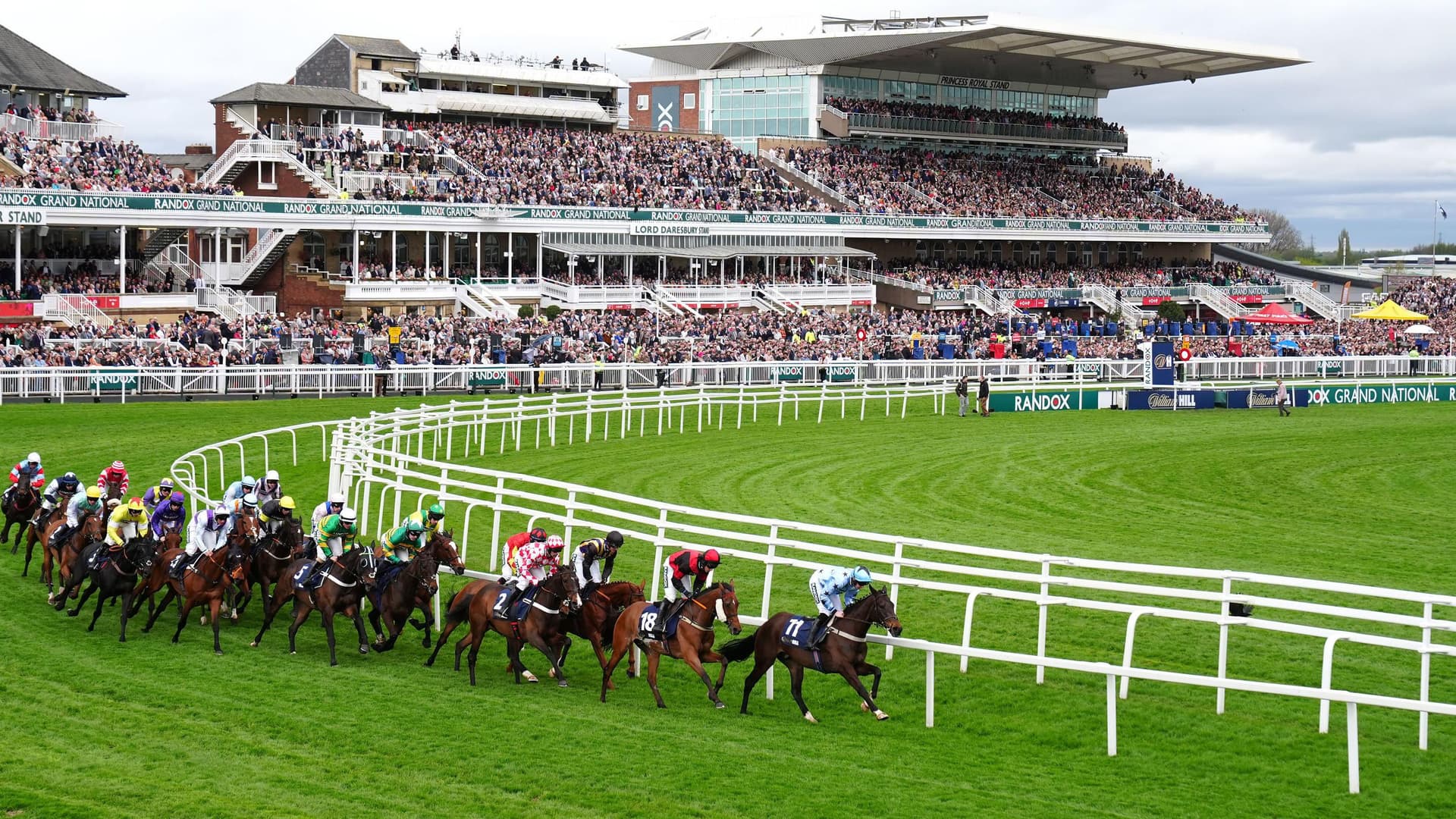
Jump racing is not flat racing with a few fences bolted on. In Britain and Ireland, it sits inside the National Hunt tradition, where horses are asked to go across country or over courses built with obstacles such as hedges and walls. The result is a discipline built on rhythm, balance, and judgment as much as speed, and that is why steeplechase and hurdle racing feel like two related but very different tests.
Steeplechase and hurdle racing are not the same thing
Britannica defines steeplechase as a horse race across country or over a course with obstacles such as hedges and walls. That makes it the more demanding branch of jump racing, because the obstacles are substantial and the race asks horses to keep their shape and momentum over distance. Hurdle racing developed as a related form of preparation for steeplechasing, so it sits one step lower on the ladder.
The practical difference is easy to picture on race day:
- Steeplechases use larger, more serious obstacles that demand scope and courage.
- Hurdle races use lighter, movable, lower obstacles, which makes them more forgiving.
- Hurdles often serve as a development stage for horses that may later step up to steeplechasing.
The Jockey Club draws the same line in its jump-racing explainer, separating steeplechases from hurdle races rather than treating them as one generic obstacle race. That distinction matters because the horse that can cruise through a hurdle race may still need more strength, precision, and stamina before it is ready for a steeplechase.
Why jump racing asks for a different skill set
Flat racing rewards pace, timing, and the ability to finish fast. Jump racing adds another layer: every fence has to be met in stride, and every landing affects the next approach. A horse that attacks too hard can lose rhythm, and a horse that loses rhythm can waste energy or make mistakes when the field is still a long way from home.
That is why the best jump-race horses are usually valued for more than raw speed. They need balance to take off cleanly, bravery to meet a fence, and stamina to keep moving once the early energy has been spent. Jockeys need the same mix in human form: they must pace the race carefully, preserve momentum, and know when to ask for a bigger effort without overextending the horse before the final stages.
The feel of the race is different too. On a flat track, a strong move can come from a sudden burst. Over fences, the race often turns on whether a horse is still jumping fluently after a series of efforts, because one awkward leap can flatten a challenge that looked alive a moment earlier. That is why jump racing can look less polished than flat racing at times, but also more dramatic, with the race story changing every time a horse takes off.
Britain, Ireland, and the hunting roots of the sport
Jump racing’s culture grew naturally in Britain and Ireland, where riding across country and over obstacles came out of hunting and rural riding traditions. That heritage still shows in the way the sport talks about itself. In Britain, the branch is generally grouped as National Hunt racing, a label that keeps the connection to older field sports and to the practical skill of riding over uneven ground.
Point-to-point racing belongs in that same world. Britannica treats it as part of the broader obstacle-racing tradition, and it preserves the hunting-linked side of the sport through amateur competition. That gives jump racing a ladder that runs from rural tradition to major professional festivals, with point-to-point meeting the same basic instinct that sits behind a Grand National chase.
Why the Grand National defines the public face of steeplechasing
No race explains the appeal of steeplechasing better than the Grand National at Aintree Racecourse. Its early history begins with the Liverpool Grand Steeplechase in 1836, won by The Duke and ridden by Captain Martin Becher. By 1839, Lottery became the first official winner of what became the Grand National, and in 1843 Edward William Topham turned it into a handicap race.
That history matters because it helps explain why the race has become such a test of horse, rider, and planning. A handicap format adds a tactical layer, while the long Aintree course and its famous fences force riders to think about more than pace. Becher’s Brook is one of the best-known obstacles in racing, and its name alone has become part of the sport’s language.
Red Rum gave the Grand National its most famous modern storyline. He won the race in 1973, 1974, and 1977, and he remains the only horse in Grand National history to win it three times. His 1973 victory, when he came from 30 lengths behind, still stands as the clearest reminder that jump racing can turn on stamina, patience, and belief as much as on position halfway through the race.
Why this branch of racing keeps its own identity
Steeplechase and hurdle racing are not side notes to flat racing. They are a separate branch of the sport with different obstacles, different tactics, and a different sense of theater. Hurdles offer an introduction to the art of jumping, while steeplechases ask horses to carry that skill into the rougher, more punishing world of fences, distance, and unfinished business at the final obstacle.
That is what gives jump racing its own culture. It preserves the sport’s hunting and cross-country roots, it rewards horses that can think while they run, and it creates days like the Grand National, where names such as The Duke, Lottery, Becher’s Brook, and Red Rum still define how the race is remembered. Flat racing may be the purest sprinting test, but jump racing remains the sport’s grand exam in courage, rhythm, and staying power.
This article was produced by Prism’s automated news system from verified source data, official records, and press releases, then run through automated quality and moderation checks before publishing. The system is built and supervised by the people who set the standards it runs under. Read our full AI policy.
Did this article answer your question?