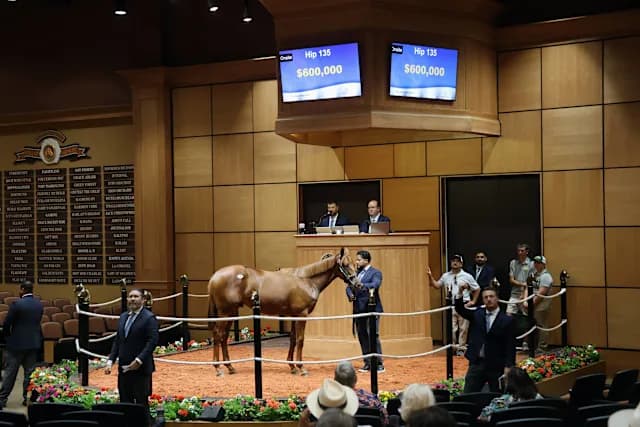
Knightsbridge faces stamina test stretching out in Monmouth Cup
Knightsbridge’s Gulfstream speed is real, but Monmouth Cup asks a sharper question: can he carry it farther when the race turns into a stamina fight?
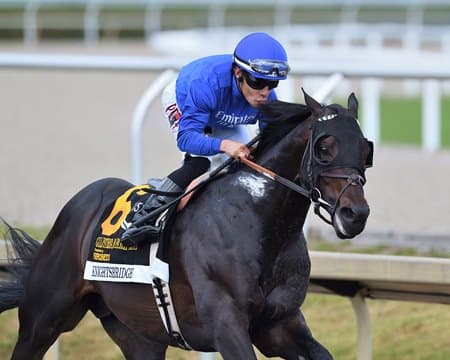
The Monmouth Cup will tell whether Knightsbridge can stay the extra ground when the pace gets serious and the last furlong starts to matter. This is not simply a class move. It is a test of whether a horse who has looked sharp at a mile can stretch that form into a longer route without flattening out late.
Why the distance change is the whole story
The Monmouth Cup changes the terms of the race. A one-turn mile lets a horse use speed, position, and timing; a longer route asks for distribution, patience, and a final drive that does not come apart under pressure. Knightsbridge’s form says he belongs in the conversation, but the trip change is the central question.
Horses can dominate at a mile and still find a longer race uncomfortable. The extra ground can expose a horse that has been living off quick acceleration and efficient positioning. If Knightsbridge settles and carries his run, he moves from being a strong Gulfstream miler to a horse with a broader stakes range. If he does not, the Monmouth Cup draws a clear line around his best distance.
The Gulfstream résumé that brought him here
Knightsbridge did not arrive at Monmouth on one flashy performance alone. He won the Gulfstream Park Mile Stakes before this assignment, a performance that confirmed him as a high-quality one-turn runner. He had already built a strong Gulfstream Park résumé before that, with victories in the Mr. Prospector Stakes and the Fred W. Hooper Stakes.
Those Gulfstream wins show a pattern: Knightsbridge has been effective against graded company and has repeatedly turned up in the right races. The question is whether that speed can survive a shape that demands more stamina than the mile at Gulfstream Park.
What Monmouth demands differently
Monmouth Cup races are often decided by more than pure talent. The longer route creates a different pace battle, and that can turn a race into a test of who can relax early without losing too much position. If Knightsbridge is forced to work too hard before the stretch, the final furlong can become a problem. If he secures a comfortable rhythm, he gets to show whether his class travels beyond his preferred distance.
For bettors, the question is whether he can adapt when the shape turns less forgiving. Knightsbridge’s Monmouth Cup run will answer whether he is just a fast miler or can become a more durable stakes horse at a route distance.
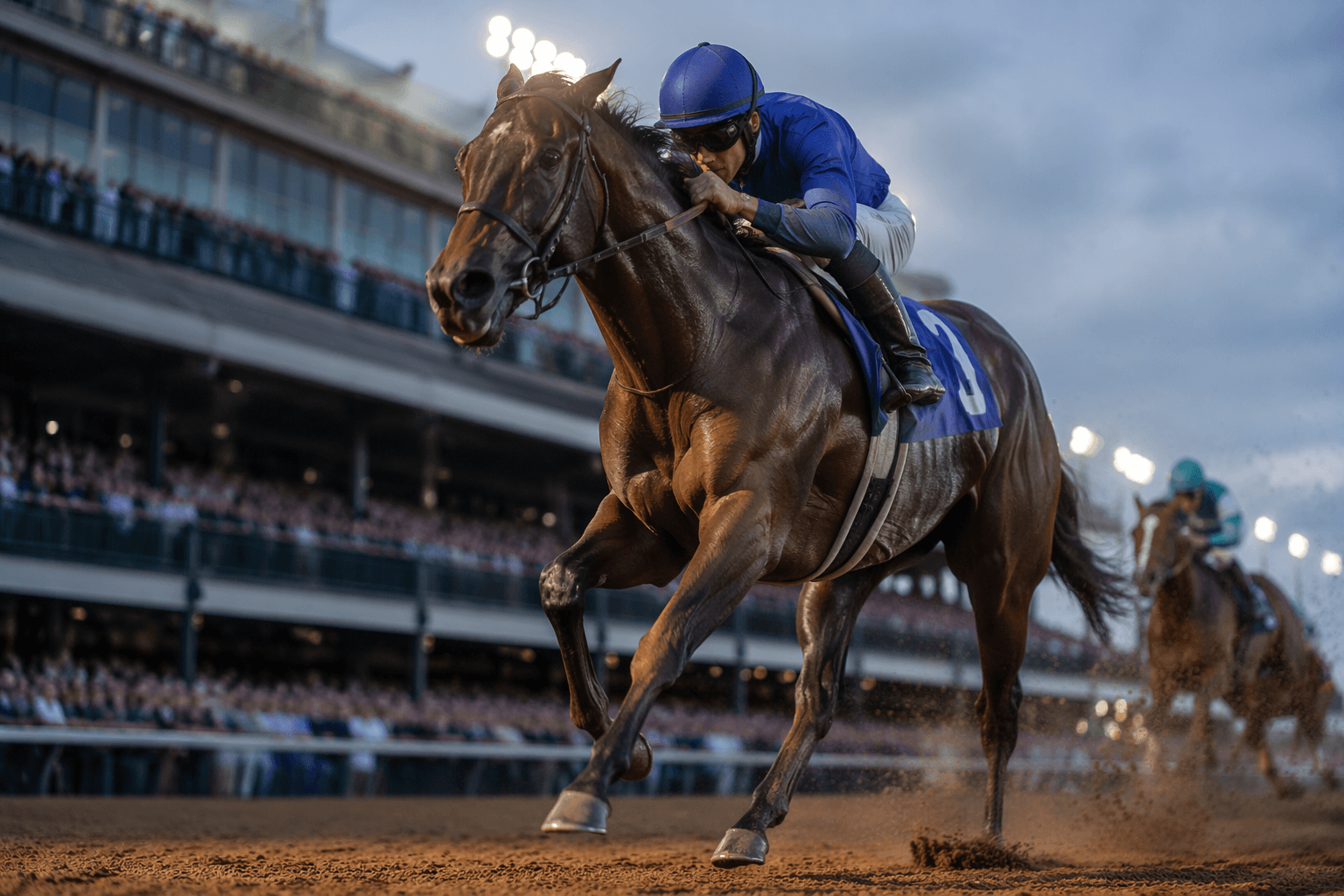
The race also sits inside a bigger Monmouth stakes picture
The Monmouth Cup sits on the Haskell weekend card. Monmouth Park’s 2024 stakes schedule topped $8 million in total purses, and the $1 million Haskell was set for Saturday, July 20.
A strong Monmouth Cup performance can change how a horse is viewed later in the season. A horse who handles this kind of trip at Monmouth becomes easier to place in future route stakes, and the connections gain more options when the late-summer calendar opens up. A horse who fails to see it out can still remain useful, but the menu narrows fast if the longer distance exposes limits.
Who else makes this test more difficult
Skippylongstocking was also targeted for the Monmouth Cup, and that keeps the race from becoming a one-horse story. When another notable stakes horse is pointed to the same race, the shape gets more competitive and the margin for error gets smaller. That is especially important in a race built around stamina, because a contested pace can force the field to reveal its true condition earlier than planned.
The presence of another established stakes name also changes how Knightsbridge’s effort gets judged. If he beats that kind of opposition while stretching out, the performance says more than a routine win against softer company ever could. If he comes up short, he will have been tested against another established stakes horse while stretching out.
What a win would mean, and what a loss would tell you
A Monmouth Cup win would do more than add another stakes line to Knightsbridge’s record. It would suggest his Gulfstream form was not limited to shorter distances and that his class can hold when the race becomes more demanding. That would make him a more interesting horse for future late-summer stakes with route requirements.
A defeat would not erase his Gulfstream accomplishments, but it would define them more sharply. He would still be a horse with proven quality at one turn, yet the longer-stretch question would remain unresolved.
This article was produced by Prism’s automated news system from verified source data, official records, and press releases, then run through automated quality and moderation checks before publishing. The system is built and supervised by the people who set the standards it runs under. Read our full AI policy.
Did this article answer your question?